Learning how to meditate for patience offers a valuable approach to cultivating inner calm and resilience in daily life. This practice not only helps in managing frustration but also promotes a more tolerant and understanding mindset. By dedicating time to mindful meditation, individuals can develop greater emotional stability and a heightened sense of patience that benefits all aspects of their interactions and personal growth.
This comprehensive guide explores effective meditation techniques, preparation tips, and strategies for integrating patience meditation into everyday routines. Whether you are new to meditation or seeking to deepen your practice, understanding the foundational principles and methods can significantly enhance your ability to remain composed and compassionate in various situations.
Understanding Meditation for Patience
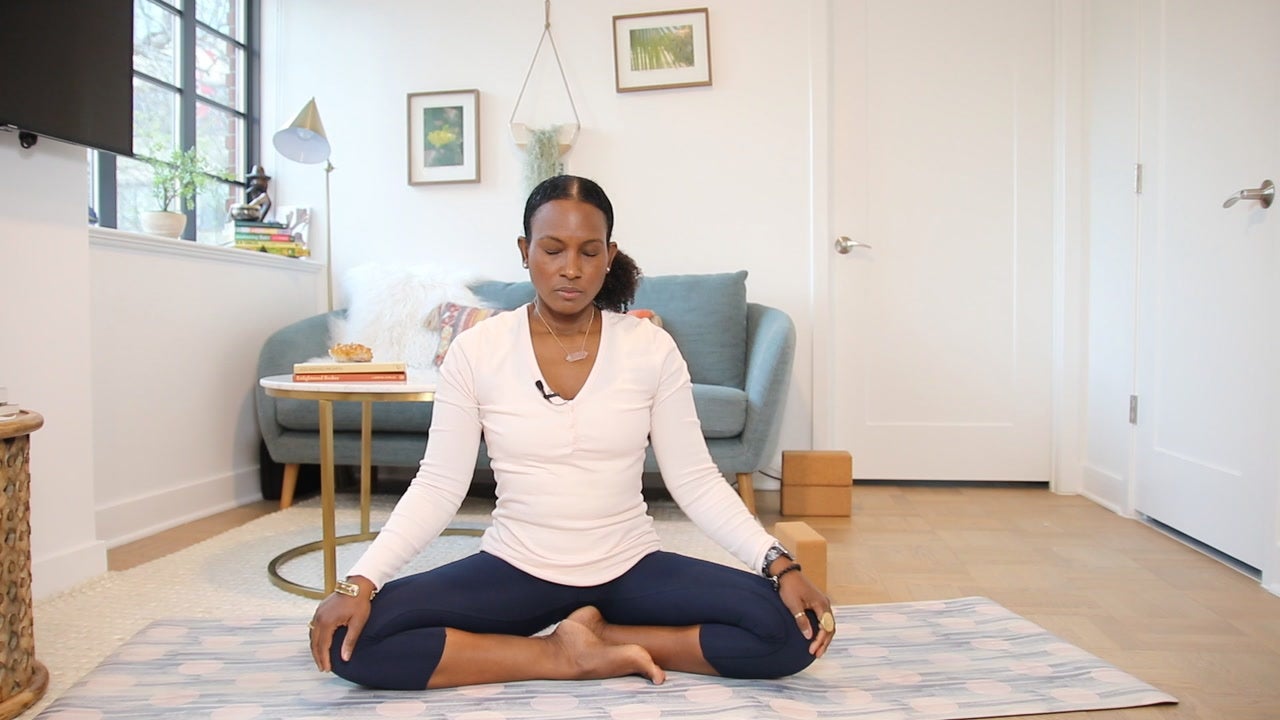
Meditation is a timeless practice that serves as a powerful tool for developing inner calm, awareness, and emotional resilience. When specifically directed towards cultivating patience, meditation becomes a means to foster a more accepting and tolerant mindset, enabling individuals to respond thoughtfully rather than react impulsively. This intentional focus helps reduce frustration and impulsivity, promoting a more composed and enduring attitude in daily life.
The connection between meditation and patience lies in its capacity to enhance self-awareness and emotional regulation. By dedicating time to mindful meditation, individuals learn to observe their thoughts and feelings without immediate judgment or reaction. This practice gradually strengthens the mental muscles needed to remain calm in challenging situations, thereby nurturing patience over time.
Benefits of Meditation for Enhancing Patience
Engaging regularly in meditation targeted at patience yields numerous psychological, emotional, and physiological benefits. These advantages contribute to a more balanced and resilient personality, equipping individuals to handle life’s inevitable stresses with greater ease:
- Reduction in impulsivity and irritability, leading to more thoughtful responses.
- Improved emotional regulation, allowing for greater tolerance during frustrating circumstances.
- Decrease in stress and anxiety levels, fostering a calmer outlook.
- Enhanced focus and concentration, which facilitate better impulse control.
- Development of a compassionate and empathetic attitude towards oneself and others.
Research indicates that consistent meditation practice can physically alter brain regions associated with patience and emotional regulation, such as the prefrontal cortex and the amygdala. This neuroplasticity underscores the significant impact meditation can have on cultivating patience as a stable trait rather than a fleeting emotion.
Historical Overview of Meditation Practices for Patience
Throughout history, diverse cultures have employed meditation as a spiritual and practical tool to nurture patience and inner peace. Many ancient traditions recognized patience as a virtue essential for spiritual growth and social harmony, integrating meditation into their daily routines and religious practices.
In Buddhist traditions, mindfulness meditation or Vipassana focuses on observing thoughts and sensations with equanimity, fostering patience through acceptance and non-reactivity. This practice is rooted in teachings that emphasize enlightenment through patience and perseverance over suffering.
Hindu practices, including various forms of mantra meditation and yoga, have historically aimed to cultivate mental discipline and patience. The repetitive chanting or focused breath control trains the mind to remain steadfast amidst distractions, aligning with the spiritual pursuit of inner tranquility.
Western contemplative traditions, such as Christian contemplative prayer and Stoic meditation, also emphasize patience as a vital trait. These practices encourage reflection on virtues like endurance and forbearance, fostering resilience and calmness in the face of adversity.
Ancient Chinese Taoist meditation emphasizes harmony with natural rhythms and flowing energy, guiding practitioners toward patience and acceptance of life’s natural course. Similarly, indigenous meditation practices across various cultures incorporate patience as a core element for achieving spiritual and personal harmony.
Preparing for Meditation Sessions

Creating the right environment and physical readiness are essential steps to ensure your meditation practice for patience is effective and peaceful. Proper preparation helps cultivate a calm mindset, minimizes distractions, and fosters a conducive space for inner reflection. By establishing a comfortable setting and adopting suitable clothing and postures, you set the stage for a meaningful meditation session aimed at nurturing patience and resilience.
Careful preparation involves selecting an appropriate environment, organizing essential tools, and adopting specific postures and breathing techniques. These elements work together to enhance concentration, deepen relaxation, and support your intention to cultivate patience through meditation.
Preparing the Environment and Tools
Creating an ideal meditation environment involves attention to the physical space, minimizing disturbances, and gathering tools that support focus and comfort. The following table provides a structured guide to setting up your meditation area efficiently:
| Environment | Tools | Duration | Tips |
|---|---|---|---|
| Choose a quiet, clutter-free space with minimal noise and distractions. A corner in your home, a peaceful outdoor spot, or a dedicated meditation room works well. | Comfortable cushion or mat, optional meditation chair, calming incense or essential oils, soft lighting or natural light, timer or meditation app. | Initial setup should take about 10-15 minutes; sessions typically last 10-20 minutes but can be adjusted based on comfort and experience. | Maintain cleanliness and orderliness in the space to promote clarity of mind. Incorporate elements that evoke tranquility, such as plants or soft fabrics. |
Clothing, Postures, and Breathing Techniques
Physical comfort and proper breathing are foundational to effective meditation for patience. The right clothing, posture, and breathing techniques facilitate relaxation and focus, enabling deeper engagement with the practice.
- Clothing: Wear loose, comfortable garments made from breathable fabrics such as cotton or linen. Avoid tight or restrictive clothing that can cause discomfort or distract from the meditation process.
- Posture: Adopt a seated position that maintains an alert yet relaxed state. Sitting cross-legged on a cushion or on a chair with feet flat on the ground are common options. Keep your back straight but not stiff, allowing for natural alignment.
- Breathing Techniques: Use slow, deep diaphragmatic breathing to calm the nervous system. Inhale deeply through the nose, allowing the abdomen to rise, then exhale slowly through the nose, releasing tension. This pattern promotes patience by fostering a state of calm awareness and reducing impulsiveness.
Engaging in these preparation steps ensures that your meditation session is comfortable, focused, and conducive to cultivating patience. Consistent application of proper environment setup, clothing, posture, and breathing techniques enhances your ability to develop enduring patience and resilience through meditation practice.
Guided Meditation Scripts Focused on Patience

Developing patience through meditation involves engaging in structured mental exercises that cultivate tolerance, understanding, and calmness in challenging situations. Guided meditation scripts serve as effective tools to lead individuals through visualizations, affirmations, and sensory cues designed specifically to enhance patience. These scripts provide clear instructions and imagery that help practitioners internalize the qualities of patience and tolerance in their daily lives.
Creating effective guided meditation scripts for patience requires careful structuring to ensure clarity, engagement, and effectiveness. This includes incorporating specific phrases that reinforce patience, visualizations that evoke calm and acceptance, and sensory cues that ground the practitioner in the present moment. Well-designed scripts enable individuals to focus their mind on cultivating patience, progressively building this inner quality over time.
Structured Elements of Guided Meditation Scripts for Patience
Effective scripts for patience should include the following core components to maximize their impact:
- Introduction with calming affirmations: Statements that prepare the mind to accept patience as a valuable quality.
- Guided visualization: Imagery that promotes calmness, such as visualizing a peaceful natural scene or imagining patience as a gentle, flowing river.
- Sensory cues: Encouraging awareness of breath, sounds, or physical sensations to anchor the practitioner in the present moment.
- Specific phrases: Repetitive affirmations or mantras that reinforce patience, like “I am calm and tolerant” or “Patience grows within me.”
- Closing with reinforcement: Summarizing the experience and embedding the sense of patience into daily life.
The following examples illustrate how these elements can be integrated into practical scripts for guided meditation focused on patience.
Example Guided Meditation Script for Patience
Begin by finding a comfortable seated position, closing your eyes gently. Take a deep breath in, filling your lungs completely, and exhale slowly, releasing tension from your body. Allow your attention to settle on the natural rhythm of your breath. As you breathe, repeat softly to yourself: “I am calm and patient.”
Imagine yourself standing beside a tranquil river, its waters flowing steadily and peacefully. Visualize the water moving slowly and effortlessly, embodying patience and tolerance. Feel the gentle coolness of the breeze, hear the soft sounds of flowing water, and notice the warmth of the sunlight on your skin. With each inhalation, draw in patience; with each exhalation, let go of frustration and haste.
Repeat the affirmation: “Patience is my natural state,” as you deepen your awareness of the sensory cues around you. Visualize the river’s calm flow becoming a part of your own inner landscape. Notice how, like the river, you can be steady and composed, no matter the external circumstances.
When you are ready, slowly bring your awareness back to your surroundings, carrying the sense of patience and calmness with you into the rest of your day.
Find a comfortable position and gently close your eyes. Take a long, deep breath, feeling the air fill your lungs, then exhale fully. Allow your attention to rest on the sensation of your breath passing in and out. Internally, repeat: “I cultivate patience in every moment.”
Visualize a peaceful scene where you are waiting patiently—perhaps in a quiet garden, watching a flower bloom or a sunset unfold. Focus on the slow, deliberate movements of nature, recognizing that patience allows beauty and growth to flourish over time. Engage your senses by noticing the colors, sounds, and smells of this scene.
As you continue to breathe, affirm internally: “With each breath, I grow more tolerant and calm.” Feel these qualities settling into your mind and body, becoming a natural part of your being. Recognize that patience is an inner resource that you can access at any moment, especially during challenging times.
Gradually, bring your awareness back to the present, feeling refreshed and centered, ready to approach life with greater patience and tolerance.
Common Challenges and Troubleshooting

Practicing meditation for patience can present a variety of obstacles that may hinder progress or diminish motivation. Recognizing these common challenges allows practitioners to develop effective strategies to overcome them, ensuring a more consistent and fruitful meditation journey. Addressing difficulties early on fosters resilience and deepens one’s understanding of patience meditation, ultimately enhancing its benefits.
Many individuals encounter specific hurdles such as wandering thoughts, impatience during sessions, physical discomfort, or inconsistency in practice. Creating comprehensive troubleshooting guides or FAQ sections can serve as valuable resources, offering practical solutions and reassurance. These guides help practitioners troubleshoot issues independently, maintain their commitment, and deepen their practice over time through informed adjustments and supportive strategies.
Common Obstacles Faced During Patience Meditation and Strategies to Overcome Them
Understanding the typical challenges encountered during patience meditation sessions enables practitioners to adopt targeted approaches that enhance their experience and progress.
- Wandering Mind and Distractions: It is natural for the mind to drift during meditation. To manage this, practitioners can gently redirect their focus back to their breath or chosen point of concentration without self-criticism. Using a mantra or visualization can also help anchor attention.
- Impatience or Frustration: Feelings of impatience may arise when progress seems slow. Recognizing that patience itself is cultivated through practice can alleviate pressure. Setting realistic goals and acknowledging small improvements fosters a compassionate attitude toward oneself.
- Physical Discomfort: Discomfort from sitting positions or environmental factors can distract from meditation. Adjusting posture, using supportive cushions, or modifying the environment for comfort can significantly improve the experience.
- Lack of Motivation or Consistency: Skipping sessions or irregular practice can hinder development. Establishing a fixed routine, setting achievable goals, and creating a dedicated meditation space reinforce commitment. Tracking progress and celebrating milestones encourage ongoing engagement.
- Difficulty Maintaining Focus Over Time: Maintaining patience during extended sessions can be challenging. Starting with shorter sessions and gradually increasing duration allows the mind to adapt. Incorporating gentle reminders or guided meditations can support sustained focus.
Strategies to Maintain Consistency and Deepen Meditation Practice
Sustained practice is essential for cultivating patience through meditation. Implementing effective strategies can help practitioners establish a lasting routine and deepen their meditative experience.
- Establishing a Routine: Consistency benefits from practicing meditation at the same time each day, whether morning or evening. Regularity helps build habit and integrates meditation into daily life seamlessly.
- Creating a Dedicated Space: A quiet, comfortable, and clutter-free environment minimizes distractions and fosters a conducive atmosphere for practice. Personalizing the space with calming elements can further enhance focus.
- Setting Realistic Goals: Defining achievable objectives, such as a specific duration or frequency, prevents overwhelm and promotes steady progress. Adjust goals as comfort and skill improve.
- Using Guided Meditations and Resources: Guided recordings focused on patience can provide structure and motivation. Supplementing practice with books, apps, or community groups can enrich the experience.
- Tracking Progress and Reflecting: Maintaining a meditation journal helps monitor consistency, note insights, and recognize growth. Reflection reinforces commitment and highlights areas for improvement.
Developing Troubleshooting Guides and FAQ Sections for Meditation Hurdles
Creating comprehensive troubleshooting guides or FAQ sections enhances the accessibility and self-sufficiency of meditation practitioners. These resources provide quick references to common issues and practical solutions, reducing frustration and fostering perseverance.
Effective troubleshooting guides directly address typical hurdles, offering step-by-step advice, example scenarios, and reassurance, thus empowering practitioners to overcome obstacles independently.
When developing these guides, consider including:
- Descriptions of common challenges with relatable examples
- Practical solutions or adjustments tailored to each obstacle
- Tips for maintaining motivation and consistency
- Suggestions for modifying practice when facing specific issues, such as physical discomfort or mental fatigue
- Encouragement and motivational quotes to reinforce patience and persistence
Regularly updating the FAQ with new insights and user feedback ensures the resources remain relevant and helpful. Sharing success stories and testimonials can also inspire others to persevere through difficulties and deepen their meditation practice for patience.
Incorporating Meditation into Daily Life to Enhance Patience
Embedding meditation practices into everyday routines can significantly strengthen patience and foster a more mindful approach to life’s challenges. Regular, short meditation sessions not only reinforce the calming effects but also cultivate a persistent sense of composure and resilience throughout the day. By consciously integrating mindfulness into various activities, individuals develop an ongoing awareness that promotes patience in both personal and professional interactions.
Strategic incorporation of mini-meditation practices and mindfulness exercises into daily activities allows for continuous reinforcement of patience. These practices are adaptable, easy to implement, and can be tailored to fit even the busiest schedules. Through consistency, these small yet meaningful efforts contribute to a profound increase in overall patience and emotional stability over time.
Daily Routines and Mini-Meditation Practices to Reinforce Patience
Establishing specific routines and brief meditation exercises throughout the day helps in maintaining a steady state of mindfulness. These practices serve as mental resets, reducing stress and enhancing one’s capacity for patience. Incorporating these mini-meditations into daily life ensures that patience becomes an integral part of one’s mindset.
| Activity | Technique | Duration | Benefits |
|---|---|---|---|
| Morning Wake-Up | Focused breathing or gratitude reflection | 5 minutes | Sets a calm tone for the day, cultivates positive outlook |
| Midday Break | Body scan mindfulness or mindful breathing | 3-5 minutes | Reduces stress, renews patience amid daily pressures |
| Evening Reflection | Silent meditation or mindful journaling | 5-10 minutes | Promotes self-awareness, reinforces patience for future challenges |
Integrating Mindfulness into Everyday Activities
Transforming routine activities into moments of mindfulness effectively fosters patience and calmness. By bringing conscious awareness to everyday tasks, individuals can create ongoing opportunities for patience-building without requiring additional time commitments.
- Walking: Practice mindful walking by focusing attention on each step, the sensation of your feet touching the ground, and the sounds around you. This enhances present-moment awareness and cultivates patience during physical movement.
- Eating: Engage in mindful eating by savoring each bite, noticing flavors, textures, and smells. This practice encourages patience with oneself and increases appreciation for the present moment.
- Commuting: Use transit or driving time for breathing exercises or listening to guided mindfulness meditations. This transforms idle time into an opportunity to develop patience and emotional resilience.
Micro-Meditation Exercises with Timing and Benefits
Implementing brief meditation exercises tailored to specific activities maximizes the benefits of mindfulness practice without disrupting daily routines. These micro-meditations serve as quick yet powerful tools to cultivate patience and emotional stability.
| Activity | Technique | Duration | Benefits |
|---|---|---|---|
| Waiting in Line | Deep breathing or noticing sensations | 2-3 minutes | Reduces frustration, promotes patience during delays |
| Preparing Coffee or Tea | Mindful focusing on the process, sensations, and aroma | 3-4 minutes | Enhances present-moment awareness, calms the mind |
| Commuting | Guided body scan or breathing exercises | 5-7 minutes | Relieves stress, cultivates patience during transit |
Outcome Summary
Incorporating meditation for patience into your daily life can lead to profound personal transformation. Through consistent practice and mindful application, you can cultivate a calmer demeanor, improved emotional resilience, and greater tolerance. Embracing these techniques empowers you to navigate life’s challenges with serenity and grace, fostering a more balanced and harmonious existence.