Discovering how to meditate for relaxation offers a pathway to alleviating stress and enhancing overall well-being. Meditation techniques can serve as powerful tools to foster mental clarity and physical calmness, making them essential practices for anyone seeking balance in their busy lives. By understanding the foundational principles and practical steps involved, individuals can unlock the profound benefits meditation provides for both mind and body.
From creating a serene environment to adopting suitable techniques, this guide explores the essentials of effective meditation. Whether you are a novice or an experienced practitioner, learning how to incorporate meditation into your routine can lead to lasting improvements in mental health and physical relaxation, supporting a healthier, more centered lifestyle.
Introduction to Meditation for Relaxation
Meditation has long been recognized as an effective practice for achieving deep relaxation and alleviating stress. In today’s fast-paced world, incorporating meditation into daily routines offers a valuable tool for promoting mental clarity, emotional stability, and physical well-being. As a gentle yet powerful approach, meditation helps individuals attain a state of calmness that can positively influence many aspects of their lives.
Rooted in ancient traditions and spiritual practices across cultures, meditation aims to cultivate awareness and presence through focused attention or mindfulness. Its foundational principles involve relaxing the body, quieting the mind, and fostering a non-judgmental acceptance of thoughts and sensations. Over centuries, various techniques have evolved, all emphasizing the importance of breath, posture, and mental discipline to access a tranquil state.
Modern science supports these practices by demonstrating their influence on reducing cortisol levels, lowering blood pressure, and enhancing overall mental health.
Benefits of Meditation in Achieving Relaxation
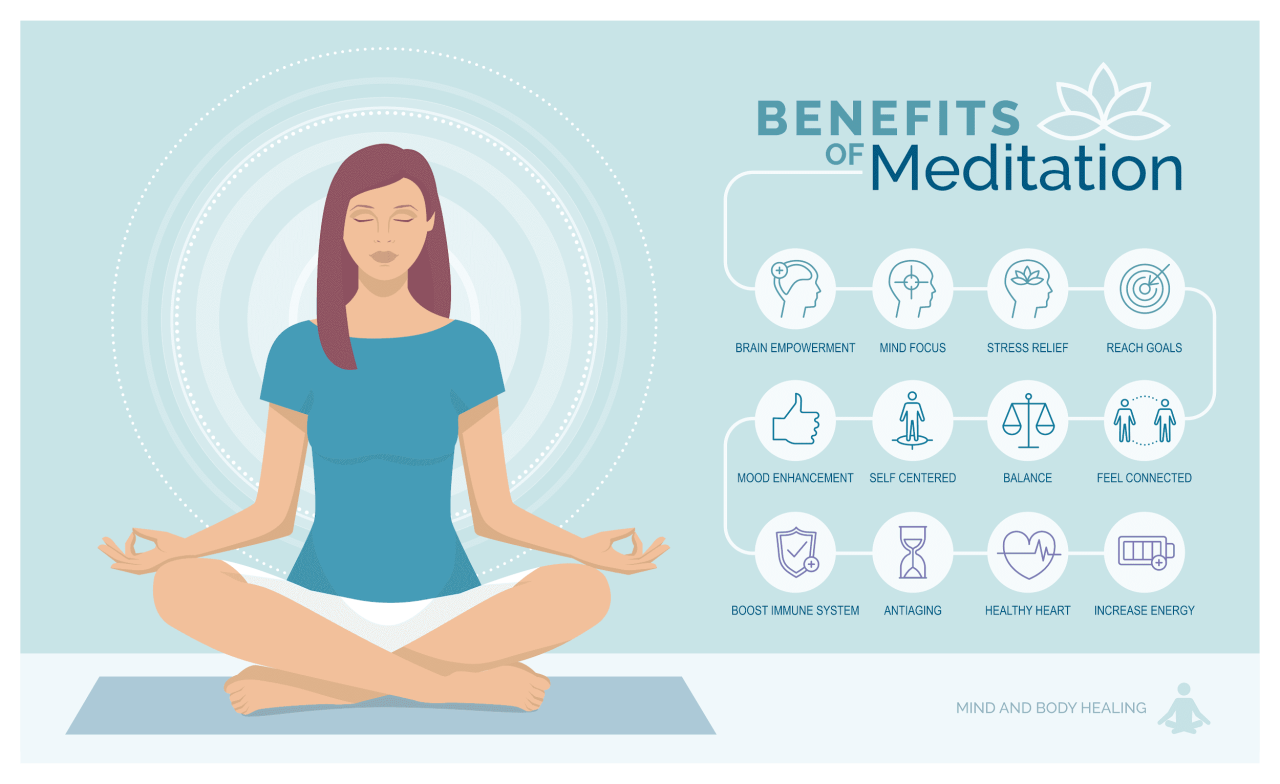
Engaging regularly in meditation can lead to numerous physical and psychological benefits that collectively promote relaxation and reduce stress. These benefits extend beyond temporary relief, contributing to long-term health improvements and resilience against daily stressors.
- Stress Reduction: Meditation activates the parasympathetic nervous system, which counters the stress response and induces a state of calm.
- Improved Mental Clarity: Regular practice helps clear mental clutter, fostering better focus and emotional balance.
- Enhanced Emotional Stability: Meditation encourages mindfulness, allowing individuals to recognize and manage emotional reactions more effectively.
- Physical Health Benefits: It can lower blood pressure, improve sleep quality, and boost immune function by reducing stress-related hormones like cortisol.
- Reduction in Anxiety and Depression: Meditation techniques have been shown to decrease symptoms of anxiety disorders and depressive moods, promoting overall well-being.
Influence of Meditation on Mental and Physical Health
Meditation exerts profound effects on both mental and physical spheres, creating a harmonious balance that enhances overall health. On a mental level, consistent practice fosters increased self-awareness, emotional regulation, and resilience against psychological stressors. It encourages a present-focused mindset, which diminishes rumination and negative thought patterns that often contribute to anxiety and depression.
Physiologically, meditation influences the autonomic nervous system, promoting relaxation responses that reduce heart rate, lower blood pressure, and decrease muscle tension. Scientific research indicates that meditation can lead to neuroplastic changes in the brain, such as increased gray matter density in areas associated with emotional regulation and attention. Additionally, by reducing stress hormones, regular meditation supports immune function and mitigates the adverse effects of chronic stress, ultimately contributing to improved physical health and longevity.
Preparing for Meditation
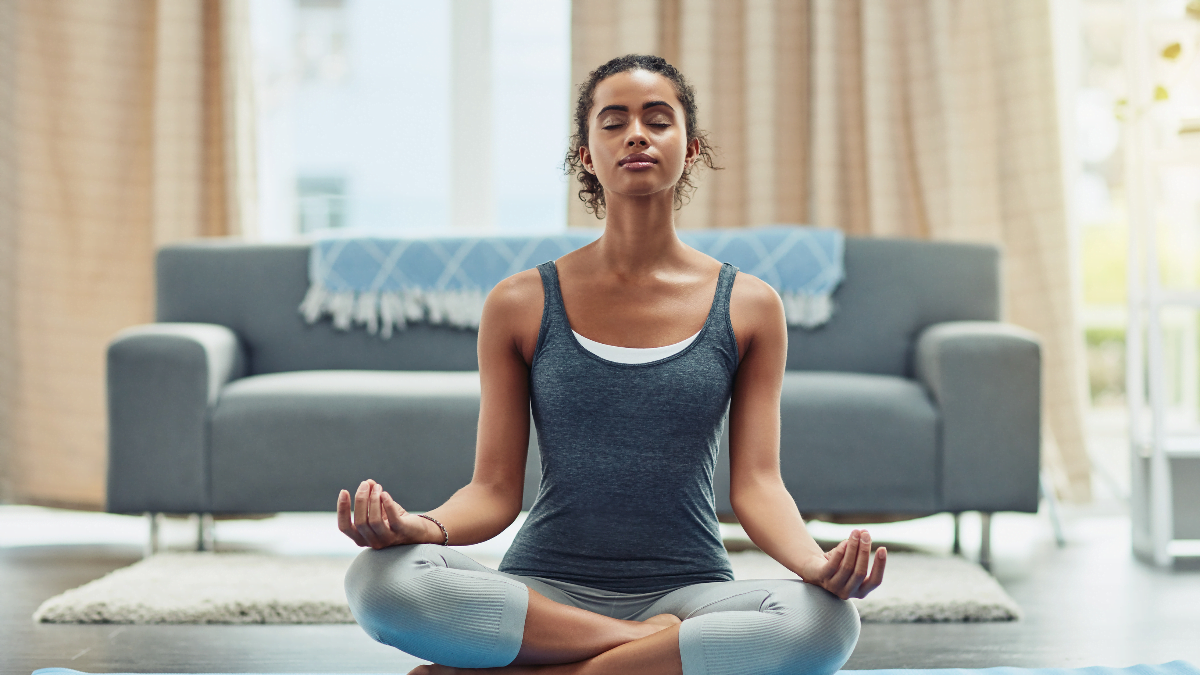
Creating a conducive environment and adopting the right preparatory practices are essential steps to enhance the effectiveness of your meditation session. Proper preparation helps calm the mind, reduces distractions, and fosters a sense of tranquility, allowing you to deepen your relaxation experience.
By thoughtfully selecting your surroundings, attire, and necessary accessories, you set a foundation for an undisturbed and comfortable meditation practice. This section provides detailed guidance on how to prepare effectively, ensuring each session is both peaceful and rejuvenating.
Creating a Calming Environment
Establishing a peaceful setting is vital for successful meditation. The environment should promote relaxation, free from external noise and interruptions. Here are the steps to create such an ambiance:
- Choose a Quiet Space: Select a location in your home or outdoor area where external disturbances are minimal. Ideally, this space is away from high-traffic zones, appliances, or noisy neighbors.
- Control Lighting: Use soft, ambient lighting or natural light to avoid harsh brightness. Dim lighting encourages a sense of calm and helps signal to your mind that it’s time to relax.
- Adjust Temperature and Ventilation: Ensure the room is at a comfortable temperature—neither too hot nor too cold. Proper ventilation ensures fresh air circulation, contributing to mental clarity.
- Eliminate Distractions: Turn off electronic devices, notifications, and anything that may interrupt your focus. Consider using noise-canceling headphones or calming background sounds like nature noises or white noise if ambient noise cannot be eliminated.
- Arrange the Space: Keep the area tidy and free of clutter. A clean and organized space fosters a sense of serenity and mental clarity necessary for meditation.
Selecting Appropriate Meditation Apparel and Accessories
The clothing and accessories you choose can significantly influence your comfort and ability to relax fully during meditation. Prioritize comfort and simplicity to avoid physical distractions:
- Comfortable Clothing: Wear loose-fitting, breathable garments that do not restrict movement or cause discomfort. Natural fibers like cotton or linen are ideal as they allow airflow and prevent overheating.
- Minimal Accessories: Keep jewelry, watches, or accessories minimal or remove them altogether to prevent discomfort or distraction during seated meditation.
- Meditation Props: Consider using supportive items such as meditation cushions, mats, or benches that help maintain proper posture and reduce fatigue. These accessories promote longer, more comfortable sessions.
- Blankets or Shawls: Utilize soft blankets or shawls to keep warm, especially in cooler environments. Covering shoulders or legs can enhance relaxation without restricting movement.
Organizing a Checklist for a Successful Session
Having a clear checklist ensures all necessary items and environmental adjustments are addressed before starting your meditation, reducing potential interruptions and allowing focus to remain solely on your practice.
Sample Checklist for Meditation Preparation:
| Item | Description |
|---|---|
| Quiet Space | A designated area free from noise and interruptions |
| Lighting | Soft or natural light setting to promote calmness |
| Clothing | Loose, comfortable attire suitable for sitting or lying down |
| Meditation Accessories | Cushions, mats, or benches for proper posture |
| Temperature Control | Ensure the environment is neither too hot nor cold |
| Distraction Eliminators | Silenced or turned-off electronic devices, background sounds if preferred |
| Additional Comfort Items | Blankets, eye masks, or calming scents like lavender |
Prior to each session, review this checklist to verify that your environment and attire are optimized for meditation. Doing so helps foster a serene mental state from the outset, making your relaxation practice more effective and enjoyable.
Techniques for Meditation for Relaxation
Mastering various meditation techniques can significantly enhance your ability to relax and reduce stress. Each method offers unique benefits and can be tailored to individual preferences and specific relaxation goals. Exploring these techniques allows you to find the most effective approach for your personal needs, creating a sustainable and enjoyable meditation practice.
Below, we delve into some of the most effective meditation techniques focused on relaxation, including detailed guidance on breathing-focused methods, a comparison of popular practices, and advice on selecting the most suitable technique based on individual preferences and objectives.
Breathing-Focused Meditation Techniques
Breathing-centered meditation forms the foundation of many relaxation practices, emphasizing conscious awareness of breath to calm the mind and body. These techniques are accessible, require no special equipment, and can be practiced virtually anywhere, making them ideal for beginners and experienced meditators alike.
In breathing-focused meditations, attention is directed solely to the act of breathing, helping to anchor the mind and diminish distracting thoughts. The core idea is to observe the natural rhythm of your breath, notice its qualities—such as depth, rhythm, and temperature—and gently guide your focus back whenever the mind drifts.
Common strategies include:
- Deep diaphragmatic breathing: Involves inhaling deeply through the nose, allowing the stomach to expand, then slowly exhaling through the mouth or nose. This technique enhances oxygen intake and promotes relaxation.
- Box breathing: Consists of inhaling for a count of four, holding the breath for four, exhaling for four, and pausing for four before the next inhale. This rhythmic pattern stabilizes the nervous system.
- 4-7-8 breathing: Involves inhaling quietly through the nose for four seconds, holding the breath for seven seconds, then exhaling slowly through the mouth for eight seconds. This method is particularly effective for reducing anxiety and facilitating sleep.
Practicing these techniques regularly enhances emotional regulation, lowers stress hormones, and encourages a state of calm consciousness. They can be incorporated into daily routines, especially during moments of acute stress or before sleep.
Comparison of Meditation Techniques for Relaxation
Understanding the differences between popular meditation practices helps in selecting the approach best suited to individual needs and preferences. The table below contrasts guided visualization, body scan, and mindfulness meditation based on their focus, process, and typical benefits.
| Technique | Focus | Process | Primary Benefits |
|---|---|---|---|
| Guided Visualization | Imagery and mental scenarios | Listening to a recorded guide or instructor who leads you through calming scenes or scenarios, such as a peaceful beach or forest, often involving sensory details and narrative guidance | Reduces stress, enhances mood, promotes creative visualization, and encourages mental escapism from daily worries |
| Body Scan | Physical sensations and tension | Sequentially focusing attention on different parts of the body, observing sensations, tension, or discomfort, then consciously relaxing those areas | Relieves physical tension, improves body awareness, and aids in stress relief by releasing muscle tightness |
| Mindfulness Meditation | Present moment awareness | Observing thoughts, feelings, and sensations without judgment, maintaining a gentle focus on the present experience, often with a focus on breath or sensations | Increases emotional regulation, reduces rumination, enhances concentration, and fosters a non-reactive awareness of the present |
Choosing the right technique depends on individual preferences, mental state, and specific relaxation goals. For example, those seeking mental escapism may prefer guided visualization, while individuals aiming to increase bodily awareness might find the body scan more beneficial. Mindfulness meditation suits those interested in cultivating ongoing present-moment awareness and reducing mental clutter. Experimenting with these methods can help identify the most effective approach for your relaxation journey.
Step-by-Step Meditation Procedures
Meditation for relaxation is a mindful practice that, when approached systematically, can significantly reduce stress and enhance overall well-being. Establishing a clear, structured routine helps cultivate consistency and maximizes the calming benefits of each session. This guide provides a comprehensive, step-by-step process to initiate and sustain an effective meditation practice, ensuring that each component—from posture to focus—is optimized for relaxation.Effective meditation begins with deliberate preparation and awareness of key elements such as posture, breathing, and mental focus.
Following a sequence ensures a smooth progression into a state of tranquility, enabling you to experience the full restorative power of meditation. Carefully adhering to these steps can help you develop a sustainable routine that becomes a valuable part of your daily life.
Preparing for Your Meditation Session
Preparation sets the foundation for a successful meditation experience. Find a quiet, comfortable space free from distractions, and allocate a specific time each day to build consistency. Wearing loose, comfortable clothing and dimming the lights can further enhance comfort. Consider setting an intention for your session, whether it’s to relax, gain clarity, or cultivate mindfulness, to foster a purposeful practice.
Choosing and Maintaining the Correct Posture
The posture adopted during meditation greatly influences relaxation and focus. The goal is to find a position that is both comfortable and alert, supporting sustained attention without causing physical strain. Common postures include sitting cross-legged on a cushion, sitting upright on a chair with feet flat on the ground, or kneeling with support.
- Straight Spine: Keep your back straight but not stiff, allowing energy to flow freely and reducing physical tension. A straight spine also encourages alertness and prevents drowsiness.
- Relaxed Shoulders and Arms: Let your shoulders relax away from your ears, with your arms resting comfortably on your lap or knees. This reduces muscle tension and promotes ease.
- Hands Placement: Place your hands gently on your lap, with palms facing upward or downward, or rest them on your thighs. Maintaining a natural hand position supports stability and relaxation.
Managing Eye Position and Focus
Proper eye positioning contributes to a calm mind and minimizes visual distractions. The eyes should be gently closed or softly gazing downward, approximately 45 degrees, with the eyelids relaxed. Maintaining a soft gaze helps reduce visual stimulation, allowing inward focus to deepen.
- Closed Eyes: Softly close your eyes to turn inward, minimizing external stimuli and fostering concentration.
- Gaze Direction: If keeping eyes open, direct your gaze downward and slightly ahead, focusing on a point or simply resting the gaze without strain.
- Relaxed Eye Muscles: Avoid squeezing or tightening the eye muscles; instead, allow the eyes to stay relaxed and at ease.
Breathing Patterns for Deep Relaxation
The breath acts as an anchor to the present moment and helps calm the nervous system. Developing awareness and control over breathing enhances relaxation, clarity, and focus.
- Natural Breathing: Begin by observing your usual inhale and exhale without attempting to modify it. Notice the rhythm and depth of your breathing.
- Deep, Diaphragmatic Breathing: Gradually slow your breath, inhaling deeply through the nose, allowing the diaphragm to expand, and exhaling fully. Aim for a gentle, steady rhythm.
- Counting Breath Cycles: To maintain focus, silently count each inhale and exhale up to four or five. For example, inhale slowly counting “one, two, three, four,” then exhale counting similarly, which fosters concentration and prolongs relaxation.
Maintaining Focus and Managing Wandering Thoughts
A common challenge in meditation is the mind’s tendency to wander. Employing specific techniques can help maintain focus and gently bring attention back when distracted.
- Anchor Techniques: Use your breath as a primary anchor, returning your awareness to the sensation of breathing whenever your mind drifts.
- Gentle Redirecting: When thoughts arise, acknowledge them without judgment, then softly redirect your focus to your breath or chosen point of attention.
- Use of Mantras or Visualizations: Incorporate a calming word, phrase, or mental image to sustain attention. Repeating a simple mantra can serve as a mental anchor that keeps the mind engaged in the present.
“Consistency and patience are key. Each time your attention wanders, gently guide it back without self-criticism, cultivating a compassionate awareness.”
Duration and Frequency of Meditation

Maintaining a consistent meditation practice is crucial for achieving relaxation and mental clarity. Understanding recommended durations and frequency helps practitioners tailor their routines to fit their lifestyles while maximizing benefits. Whether you are just starting or have been practicing for some time, establishing an appropriate schedule can significantly enhance your meditation experience and contribute to long-term wellness.The ideal duration and regularity of meditation sessions vary based on individual goals, time availability, and experience level.
By adhering to suitable guidelines, practitioners can foster a sustainable meditation habit that promotes relaxation, reduces stress, and improves overall mental health.
Suggested Meditation Durations for Different Experience Levels
The length of each meditation session can influence its effectiveness, especially for beginners who are developing their practice, and for seasoned practitioners seeking deeper relaxation. The following guidelines Artikel typical durations suitable for various levels of experience:
- Beginners: 5 to 10 minutes per session. Starting with short, manageable durations helps establish a routine without feeling overwhelmed. Over time, these sessions can gradually be extended as comfort with meditation increases.
- Intermediate Practitioners: 15 to 30 minutes per session. At this stage, individuals are more familiar with meditation techniques and can sustain longer periods to deepen relaxation and mental clarity.
- Experienced Practitioners: 30 to 60 minutes or more. Extended sessions allow for profound meditation states, stress reduction, and enhanced mindfulness. Some practitioners may meditate even longer, depending on their goals and schedules.
Responsive Table Showing Recommended Frequency and Session Lengths
To accommodate different lifestyles and commitments, the following table provides a flexible overview of suggested meditation routines. This guide aims to help individuals incorporate meditation seamlessly into their daily life, whether they seek brief daily practices or longer weekly sessions.
| Frequency | Session Length | Description |
|---|---|---|
| Daily | 5-15 minutes | Ideal for beginners and those with busy schedules. Short daily sessions promote consistency and steady relaxation benefits. |
| Daily | 20-30 minutes | Suitable for intermediate practitioners aiming to deepen their practice and experience more profound relaxation each day. |
| Weekly | 45-60 minutes | For experienced practitioners or those with limited daily time, longer sessions scheduled once or twice a week can provide significant mental health benefits. |
| Multiple times a week | 10-20 minutes per session | A balanced approach fitting most schedules, fostering regularity without requiring extensive daily commitment. |
Examples of Meditation Routines for Different Lifestyles and Schedules
Practicing meditation effectively requires tailoring routines to individual lifestyles, work commitments, and personal preferences.Below are examples of adaptable routines that suit diverse schedules:
- Morning Routine for Busy Professionals: Start with a 10-minute meditation immediately after waking up to set a calm tone for the day. Incorporate breathing exercises or simple mindfulness techniques to enhance focus and reduce morning stress.
- Lunch Break Practice for Office Workers: Dedicate 10-15 minutes during lunch to a seated meditation or mindful breathing. Find a quiet space or use noise-canceling headphones to create a peaceful environment amidst a busy workday.
- Evening Relaxation for Stay-at-Home Individuals: Engage in a 20-30 minute meditation session in the evening to unwind from daily activities. This can include guided meditation, body scans, or visualization techniques to promote restful sleep.
- Weekend Extended Meditation: Allocate 45-60 minutes on weekends for an immersive meditation session, such as mindfulness retreats or longer guided meditations. This allows for deeper relaxation and reflection without the pressure of daily routines.
Adapting meditation routines to fit personal schedules ensures consistency and fosters a sustainable practice. The key is to find a balance that feels comfortable and integrates seamlessly into daily life, making meditation a natural part of overall wellness.
Overcoming Common Challenges
Meditation is a valuable practice for relaxation and mental clarity; however, it often presents certain challenges that can hinder the effectiveness of the session. Recognizing these obstacles and implementing practical strategies enhances the consistency and depth of your meditation practice. Addressing issues such as distraction, restlessness, impatience, physical discomfort, and maintaining motivation is essential for long-term success and improved well-being.To cultivate a successful meditation routine, it is important to develop awareness of common difficulties and adopt effective techniques to navigate them.
With patience and mindfulness, these challenges can be transformed into opportunities for growth and deeper relaxation.
Dealing with Distraction, Restlessness, and Impatience
Distractions and restlessness are natural during meditation, especially for beginners. These experiences often stem from an active mind or external disturbances, which can cause frustration or impatience.To manage these issues, it is helpful to establish a gentle, nonjudgmental attitude towards distractions. When the mind wanders, acknowledge the distraction without self-criticism, and gently redirect your focus back to your breath or chosen point of concentration.
Using a soft mental note, such as “mind wandering,” can help detach from the distraction and foster a sense of acceptance.Implementing specific techniques can further enhance focus:
- Anchor your attention: Choose a calming point like your breath, a mantra, or a visual object to stabilize your focus.
- Set realistic expectations: Recognize that wandering thoughts are normal; aim for progress rather than perfection.
- Use guided meditation: Audio recordings with gentle guidance can help keep your attention anchored and reduce impatience.
Practicing patience with oneself and understanding that distraction diminishes with regular practice are key to overcoming these hurdles.
Maintaining Consistency and Motivation
Sustaining a regular meditation practice requires intentional effort and positive reinforcement. Motivation can fluctuate due to busy schedules, waning interest, or perceived lack of progress.Strategies to support consistency include:
- Establish a routine: Dedicate a specific time and place for meditation daily, creating a habit that becomes integral to your schedule. For instance, meditating each morning after waking or before bedtime fosters consistency.
- Set achievable goals: Start with short sessions, such as 5-10 minutes, gradually increasing as comfort develops. Celebrate these milestones to reinforce commitment.
- Track progress: Maintain a meditation journal or use apps to record your sessions, observing patterns and improvements over time.
- Join a community: Participating in meditation groups or classes provides social support and accountability, boosting motivation.
- Remind yourself of benefits: Reflect on the physical and mental health improvements, such as reduced stress, that reinforce your dedication.
By cultivating a sense of discipline and recognizing personal benefits, maintaining motivation becomes a natural extension of your practice.
Troubleshooting Physical and Mental Discomforts
Physical discomforts—such as back pain, muscle tension, or fatigue—and mental discomforts like anxiety or frustration can interfere with meditation sessions. Understanding how to address these issues ensures continued practice without undue distress.Physical discomforts can often be alleviated through proper posture:
- Adjust your sitting position: Use cushions or chairs to support your back, ensuring that your spine remains straight but relaxed.
- Change positions periodically: If discomfort persists, shifting positions or lying down gently can provide relief while maintaining mindfulness.
- Limit session length initially: Shorter sessions reduce strain, gradually increasing duration as comfort improves.
Mental discomforts like anxiety or impatience can be mitigated with calming techniques:
- Deep breathing exercises: Focused, slow breaths activate the relaxation response, easing mental tension.
- Progressive muscle relaxation: Tensing and relaxing muscle groups helps release physical and mental stress.
- Acceptance and compassion: Recognize discomfort without judgment, approaching it with kindness rather than frustration, which diminishes its intensity.
- Incorporate mindfulness breaks: When overwhelmed, take brief pauses to breathe deeply or gently stretch before resuming meditation.
Consistent application of these methods, along with gentle self-care, enables sustained practice and helps transform discomfort into a deeper state of relaxation.
Enhancing Relaxation with Additional Practices
While meditation serves as a powerful tool for achieving deep relaxation, integrating supplementary practices can significantly amplify its calming effects. Combining various techniques not only enriches the experience but also helps establish a more comprehensive approach to stress reduction and emotional well-being.
Implementing additional relaxation techniques alongside meditation allows for a multi-sensory approach that can deepen tranquility, improve mood, and promote overall health. These practices can be tailored to individual preferences, making relaxation sessions more engaging and effective.
Aromatherapy and Its Role in Deepening Relaxation
Aromatherapy involves using essential oils derived from plants to influence the limbic system, which is associated with emotions and memory. When incorporated into meditation, certain scents can promote a sense of calm and focus, making it easier to enter a relaxed state.
Popular essential oils for relaxation include: lavender, chamomile, ylang-ylang, and frankincense. These oils have been shown to reduce cortisol levels, the hormone associated with stress.
To integrate aromatherapy effectively, you can diffuse essential oils in the room, add a few drops to a personal inhaler, or apply diluted oils to pulse points before beginning your meditation. The gentle scent provides a soothing background that can enhance concentration and relaxation.
Calming Music and Soundscapes
Music and natural soundscapes are powerful tools for fostering a peaceful environment during meditation. Soft, slow-tempo music or nature sounds such as flowing water, rain, or birdsong can help quiet the mind and block out external distractions.
Research indicates that listening to calming sounds during meditation can lower heart rate and blood pressure, promoting a state of relaxation more rapidly.
To utilize music effectively, select tracks specifically designed for meditation or relaxation, ensuring they are instrumental or have minimal lyrics to prevent distraction. Using headphones can also help create an immersive experience, enhancing focus and tranquility.
Gentle Stretches and Movement
Incorporating gentle stretching or movement routines before or after meditation can release physical tension accumulated throughout the day. This physical relaxation complements mental calmness, creating a holistic approach to stress relief.
Examples include slow yoga poses, tai chi movements, or simple neck and shoulder stretches performed mindfully and with awareness of breath.
Engaging in light physical activity helps to relax muscles, improve circulation, and prepare the body for meditation. This integration supports a more profound state of relaxation, especially for individuals with a busy or restless mind.
Integrating Meditation with Other Relaxation Techniques
Combining meditation with complementary relaxation methods can create a synergistic effect that enhances overall well-being. For instance, pairing mindfulness meditation with deep breathing exercises, progressive muscle relaxation, or guided imagery can deepen the relaxation response.
For example: starting with gentle stretching, followed by a brief session of deep diaphragmatic breathing, then proceeding into seated meditation. This sequence prepares the body and mind for sustained calmness.
Such integration not only enriches the meditation experience but also provides varied tools to manage stress in different situations—whether at home, work, or in transit. It encourages the development of personalized routines that align with individual needs and preferences.
Supplementary Practices Supporting Meditation Sessions
Below is a list of additional practices that can reinforce meditation’s relaxing effects:
- Progressive muscle relaxation to release physical tension systematically.
- Guided visualization for mental escapism and stress alleviation.
- Breathing exercises like diaphragmatic or 4-7-8 breathing to deepen relaxation.
- Body scans to increase awareness and release accumulated stress in different areas.
- Journaling post-meditation to process emotions and reinforce calming insights.
Incorporating these practices into regular meditation routines can lead to more sustained relaxation, improved emotional resilience, and a greater sense of holistic health.
Creating a Personal Meditation Routine
Developing a personalized meditation routine is essential to fostering a consistent practice that aligns with individual needs and lifestyles. Customizing your meditation plan ensures sustainability, enhances benefits, and encourages a deeper connection to your relaxation journey. By carefully designing a routine, you can seamlessly integrate meditation into daily life, making it a natural and rewarding habit.
Creating such a routine involves understanding personal preferences, setting realistic goals, and adopting flexible strategies that accommodate changing circumstances. Regular assessment and adaptation of your plan help maintain motivation and ensure ongoing progress toward relaxation and mental well-being.
Steps to Customize a Meditation Plan
To craft an effective meditation routine tailored specifically to you, consider the following systematic approach:
- Assess Personal Needs and Goals: Evaluate what you seek from meditation—whether it’s stress reduction, improved focus, emotional balance, or spiritual growth. Clarify your objectives to select techniques that best address your needs.
- Identify Preferred Techniques and Settings: Experiment with various meditation styles such as mindfulness, body scans, or guided imagery, and choose environments that foster comfort and focus—be it a quiet room, a garden, or a dedicated corner.
- Determine Optimal Time and Duration: Find times during the day when you are least likely to be disturbed, such as early mornings or evenings, and start with manageable durations, gradually increasing as your practice deepens.
- Establish Consistency: Set specific days and times for your practice, creating a routine that becomes part of your daily schedule. Consistency builds habit and enhances long-term benefits.
- Incorporate Flexibility: Allow room for adjustments based on your daily commitments and evolving needs, ensuring the practice remains enjoyable and sustainable.
Tips for Tracking Progress and Adapting Routines
Monitoring your meditation journey helps you recognize improvements and identify areas for adjustment. Keeping track of your practice provides motivation and insight into what techniques and timings produce the best relaxation outcomes.
Effective strategies include:
- Maintain a Meditation Journal: Record the date, duration, techniques used, and your mental state before and after each session. Note any changes in mood, stress levels, or physical sensations.
- Set Milestones and Goals: Define achievable targets, such as meditating three times a week or reducing stress levels, and review progress periodically to stay motivated.
- Evaluate and Adjust: If certain techniques or times are less effective, experiment with alternatives. For example, if morning sessions feel rushed, switch to evening meditation, or try different durations.
- Seek Feedback and Support: Engage with meditation groups, apps, or instructors for guidance and encouragement, which can provide new perspectives and sustain motivation.
Sample Weekly Meditation Schedule with Variations
Designing a diverse weekly plan helps prevent monotony and exposes you to different techniques, maximizing relaxation and mental clarity. Below is an example of a balanced schedule incorporating varied durations and methods:
| Day | Technique | Duration | Comments |
|---|---|---|---|
| Monday | Mindfulness Breathing | 10 minutes | Focus on breath awareness, sitting in a quiet space in the morning. |
| Tuesday | Guided Visualization | 15 minutes | Use an app or recorded guide to visualize calming scenes before bedtime. |
| Wednesday | Body Scan | 20 minutes | Lie down comfortably, progressively relaxing each body part. |
| Thursday | Loving-Kindness Meditation | 10 minutes | Practice sending thoughts of goodwill to oneself and others. |
| Friday | Walking Meditation | 15 minutes | Engage in mindful walking in a natural environment, paying attention to movements and surroundings. |
| Saturday | Silent Sitting | 20 minutes | Spend time in silent meditation, focusing on thoughts or simply remaining present. |
| Sunday | Reflective Journaling and Meditation | 10 minutes | Combine light meditation with journaling about the week’s experiences and insights. |
Varying techniques and durations within your weekly routine can enhance engagement, deepen relaxation, and address different aspects of mental well-being. Regularly reviewing and adjusting your schedule ensures your practice remains relevant and fulfilling.
Closure
In conclusion, mastering how to meditate for relaxation is a valuable journey toward achieving peace and balance amidst everyday challenges. By applying the strategies and routines discussed, you can cultivate a sustainable practice that nurtures your mental clarity and physical tranquility. Embrace this mindful approach to well-being and enjoy the transformative benefits it offers over time.