Learning how to meditate for the root chakra offers a powerful pathway to fostering greater stability, grounding, and emotional resilience. This practice helps align your energy centers, promoting overall well-being and a deeper connection to your sense of security. Whether you are new to meditation or seeking to deepen your existing routine, exploring techniques focused on the root chakra can significantly enhance your mental and physical health.
Through guided visualizations, breathwork, affirmations, and physical grounding exercises, you can activate and balance this vital energy center. Integrating crystals and sound therapy into your meditation sessions further amplifies their effectiveness. Establishing a consistent routine ensures lasting benefits, helping you maintain a grounded and centered life while fostering emotional clarity and physical vitality.
Introduction to Root Chakra Meditation
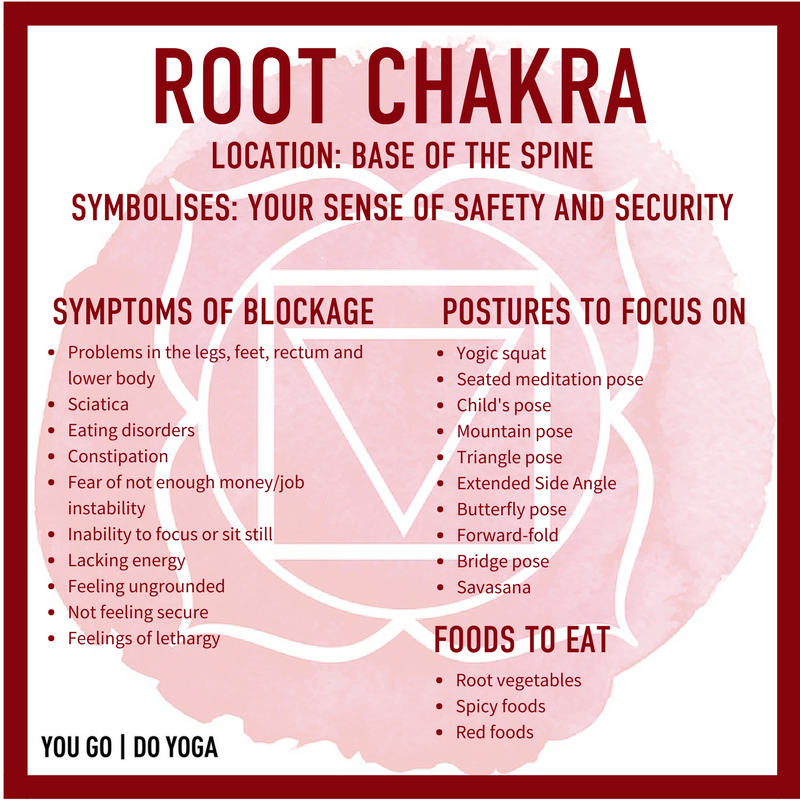
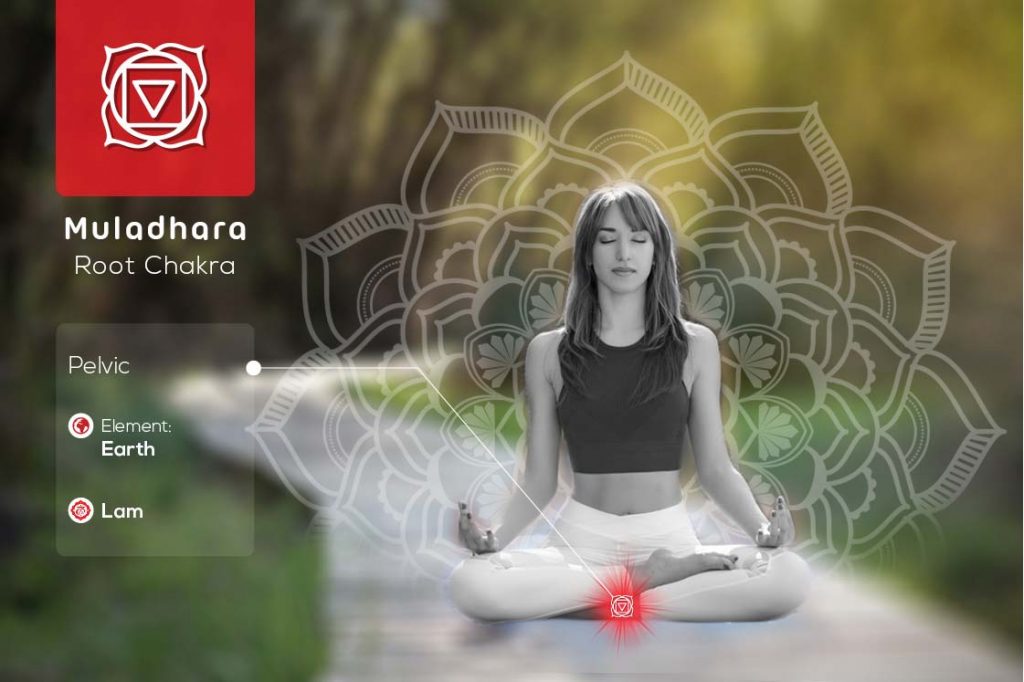
The root chakra, known as Muladhara in Sanskrit, is the foundational energy center located at the base of the spine. It plays a crucial role in establishing feelings of safety, security, and stability within our physical and emotional states. When balanced, the root chakra fosters confidence, groundedness, and resilience, allowing individuals to navigate life’s challenges with a sense of stability.
Conversely, an imbalanced root chakra can lead to feelings of fear, insecurity, and instability, affecting overall well-being.
Engaging in meditation focused on the root chakra offers a powerful method to restore balance and activate this vital energy center. Regular practice can help release fears and anxieties, promote feelings of security, and enhance physical vitality. Through mindful meditation, individuals can develop a deeper connection to their sense of stability, grounding themselves amidst the stresses of daily life. This process not only supports emotional health but also encourages physical vitality and a sense of belonging within oneself and the surrounding environment.
Significance of the Root Chakra in Overall Well-being and Stability
The root chakra influences fundamental aspects of health, including physical endurance, immune strength, and a sense of safety. It acts as the base for the entire chakra system, supporting the higher energy centers by providing a stable foundation. When the root chakra is open and balanced, individuals often experience a profound sense of belonging, confidence, and the ability to handle life’s uncertainties effectively.
Benefits of Practicing Root Chakra Meditation
Practicing meditation centered on the root chakra offers several notable benefits, which contribute positively to overall health and emotional balance. These benefits include:
- Enhancement of feelings of safety and security, reducing fears and anxieties.
- Increased physical vitality and energy levels, supporting a healthy lifestyle.
- Strengthening of the connection to the physical environment and community, fostering a sense of belonging.
- Improved grounding, helping individuals stay present and focused in daily activities.
- Facilitation of emotional resilience, enabling better management of stress and adversity.
How Meditation Can Help Balance and Activate the Root Chakra
Meditation serves as a direct and effective approach to harmonize the root chakra by fostering awareness and releasing blockages. Through focused breathing, visualization, and mindfulness techniques, practitioners can stimulate energy flow within this center. Consistent meditation helps eliminate lingering fears and doubts, replacing them with feelings of security and trust. Additionally, specific grounding exercises incorporated into meditation—such as imagining roots extending from the base of the spine into the earth—enhance physical and energetic stability.
Over time, these practices contribute to a more balanced and active root chakra, supporting overall well-being and a grounded outlook on life.
Understanding the Root Chakra
The foundational energy center of the human body, the root chakra, plays a vital role in our sense of stability, security, and physical vitality. Gaining a clear understanding of its location, qualities, and the implications of its balance or imbalance is essential for anyone seeking to cultivate greater well-being through meditation and chakra work. Recognizing the signs of a balanced versus blocked root chakra enables us to address specific emotional, mental, and physical concerns effectively.
The root chakra, also known as Muladhara, is situated at the base of the spine, near the tailbone. It is often associated with the color red, symbolizing energy, vitality, and grounding. When this chakra functions optimally, it fosters feelings of safety, confidence, and a strong connection to the physical world. Conversely, when it is blocked or imbalanced, individuals may experience a range of difficulties that affect their overall stability and mental clarity.
Location, Color, and Qualities of the Root Chakra
The root chakra is located at the base of the spine, at the perineum in men and the pelvic area in women. Its vibrant red hue makes it easily identifiable among the chakra system. This color is linked to vitality, passion, and an energetic foundation essential for physical and emotional resilience.
The qualities associated with a healthy root chakra include trust, stability, and a sense of belonging. It provides the foundation upon which the other chakras and aspects of life are built. When balanced, individuals tend to be confident, grounded, and capable of handling life’s challenges effectively.
Balanced vs. Blocked Root Chakra
Understanding the differences between a balanced and blocked root chakra can help in assessing one’s personal energy flow. A balanced root chakra is characterized by feelings of security, physical vitality, and emotional stability. It allows individuals to feel grounded and connected to their environment, fostering resilience and a sense of peace.
In contrast, a blocked root chakra may manifest through persistent fears, insecurity, and feelings of disconnection. It can lead to difficulties in establishing stability in various areas of life, including finances, relationships, and health. Recognizing these signs is crucial for addressing imbalances through meditation, lifestyle adjustments, and healing practices.
Symptoms of Root Chakra Imbalance
The imbalance of the root chakra can affect the body, emotions, and mind in various ways. Awareness of these symptoms enables timely intervention to restore harmony and promote overall well-being.
- Physical Symptoms: Lower back pain, sciatica, leg and feet issues, immune deficiencies, and gastrointestinal problems.
- Emotional Symptoms: Feelings of fear, insecurity, anxiety, and a persistent sense of instability or being “not enough.”
- Mental Symptoms: Difficulty concentrating, feelings of restlessness, paranoia, or a sense of disconnection from reality.
“An imbalanced root chakra can hinder our sense of safety and grounding, affecting every aspect of our physical and emotional health.”
Preparation for Root Chakra Meditation
Effective preparation creates a serene environment that enhances your ability to connect with and balance the root chakra. Setting up an appropriate space, gathering necessary items, and establishing clear intentions lay the foundation for a successful meditation session. This process ensures that you can focus fully on your practice without external distractions, fostering a deeper sense of stability and grounding.
Preparation involves mindful arrangements and mental clarity, allowing you to enter a state of calm and receptivity. By paying attention to the environment and your mental focus, you create an optimal setting that supports your meditation journey and helps unlock the energy of the root chakra.
Creating a Calming Environment
Establishing a peaceful and clutter-free space is crucial for effective root chakra meditation. The environment should evoke feelings of safety, stability, and comfort. Select a quiet area where interruptions are minimized, ensuring your focus remains undisturbed throughout the session.
- Choose a location with natural light or soft, ambient lighting to promote relaxation.
- Maintain a tidy space free from unnecessary objects that could distract your attention.
- Optionally, incorporate elements of nature such as indoor plants or a small water feature to reinforce grounding energy.
- Use calming scents like sandalwood, cedar, or patchouli through essential oils or incense to enhance the sensory experience.
Necessary Items for Root Chakra Meditation
Gathering specific items before beginning your meditation can deepen your connection with the root chakra. These tools serve as physical anchors and symbols of stability, helping to focus your energy during practice.
| Item | Purpose |
|---|---|
| Cushion or Meditation Mat | Provides comfortable seating that promotes proper posture and stability during meditation. |
| Crystal (e.g., Red Jasper, Hematite) | Enhances grounding energy and supports root chakra activation. |
| Blanket or Shawl | Keeps you warm and comfortable, helping to relax the body and mind. |
| Essential Oils or Incense | Facilitates a calming atmosphere and enhances sensory focus. |
| Small Earth Symbol or Object | Serves as a visual or tactile reminder of stability and grounding. |
Setting an Intention and Focus
Before beginning your meditation, it is vital to clarify your intention, which guides your focus and deepens your connection to the practice. A clear intention aligns your energy and directs your awareness toward balancing the root chakra.
“State your intention with sincerity—whether it is to foster stability, security, or simply to ground yourself in the present moment.”
To set a meaningful intention, take a few moments to reflect on what you seek from the meditation. You might mentally affirm statements such as “I am grounded,” “I am secure,” or “I trust in the stability of life.” Focus on your breath to center your thoughts, and visualize the energy of your intention manifesting as a vibrant red light at the base of your spine.
This mental focus prepares your mind and body for the meditative connection with your root chakra.
Guided Techniques for Root Chakra Meditation
Engaging in guided meditation techniques can significantly enhance the process of balancing and activating the root chakra. These methods combine visualization, breathwork, and mantra chanting, offering a comprehensive approach to connect deeply with the energy center rooted at the base of the spine. Guided sessions provide structure and focus, making it easier for practitioners to maintain their practice and experience the full benefits.
Each technique serves a distinct purpose: visualization fosters a vivid mental image of stability and grounding, breathwork helps release tension and cultivates energy flow, while mantra chanting reinforces positive affirmations and energetic vibration. Integrating these methods into a guided meditation session creates a powerful experience that encourages emotional security, physical stability, and a profound sense of belonging.
Structured Guided Meditation Session
- Preparation and Centering: Begin by sitting in a comfortable, quiet space. Close your eyes and take a few deep breaths to settle your mind. Focus on releasing any physical or mental tension, anchoring yourself in the present moment.
- Visualization: Imagine a vibrant, crimson globe of energy located at the base of your spine. Visualize this sphere shining steadily, radiating warmth and stability. Picture roots extending from this sphere into the earth, anchoring you securely and drawing up nourishing energy.
- Breathwork: Practice deep diaphragmatic breathing, inhaling slowly through the nose to fill your abdomen, and exhaling fully through the mouth or nose. As you breathe, affirm inwardly, “I am grounded and secure.” Use rhythmic breathing to deepen your sense of stability and release any lingering fears or anxieties.
- Mantra Chanting: Incorporate a soothing mantra such as “Lam,” the seed sound associated with the root chakra. Repeat this softly and rhythmically, either aloud or silently, synchronizing your chant with your breath. Let the vibration of the sound resonate within your body, reinforcing your sense of safety and grounding.
- Closure and Reflection: Gradually slow your breathing, and visualize the crimson sphere gently diminishing as you carry its energy within. Take a few moments to express gratitude for the grounding experience before gently bringing your awareness back to the present space.
Comparison Table of Meditation Techniques and Their Effects
| Technique | Primary Effect |
|---|---|
| Visualization | Enhances mental imagery of stability and security, fostering a sense of grounding and emotional balance. Effective for manifesting feelings of safety and connection to the earth. |
| Breathwork | Promotes relaxation, releases tension, and improves energy flow. Deep breathing activates parasympathetic response, reducing anxiety and fostering physical stability. |
| Mantra Chanting | Creates vibrational resonance that aligns energy centers, strengthening focus, and reinforcing positive affirmations. Enhances emotional security and rootedness through sound vibration. |
“Combining visualization, breathwork, and mantra chanting in meditation creates a synergistic effect that deeply activates and balances the root chakra, promoting overall well-being and stability.”
Visualization and Affirmation Practices

Effective meditation for the root chakra incorporates visualization and affirmations to deepen grounding and stability. These practices help reinforce a sense of security, balance, and connection to the earth, which are essential qualities associated with the root chakra. By engaging in targeted visualization exercises alongside positive affirmations, practitioners can enhance their overall sense of safety and rootedness, fostering both emotional and energetic stability.
Integrating visualization and affirmation techniques into your meditation routine creates a powerful synergy. Visualizations serve as mental imagery that activates the root chakra’s energy centers, while affirmations reinforce positive beliefs about safety and stability. When used consistently, these practices can facilitate noticeable improvements in feelings of confidence, resilience, and physical presence.
Visualization Exercises for Grounding and Stability
Visualization exercises for the root chakra focus on creating vivid mental images that evoke feelings of grounding and security. These exercises help anchor your energy, making you feel more connected to the earth and less susceptible to stress or anxiety. The following detailed visualization can be incorporated into your meditation:
- Begin by closing your eyes and taking several deep, calming breaths to center yourself. Focus on relaxing your body and clearing your mind.
- Imagine a vibrant, glowing red sphere located at the base of your spine, representing your root chakra. Visualize this sphere pulsating gently with energy, radiating warmth and stability.
- Envision roots extending from the bottom of your spine deep into the earth. These roots are strong, thick, and intertwined, anchoring you securely to the ground.
- Picture the energy flowing from the earth up through these roots, filling your body with a sense of strength, safety, and groundedness. Feel this energy coursing upward, energizing your entire being.
- As you breathe, imagine releasing any tension or fears into the earth through your roots, allowing the ground to absorb and transform these energies into stability and peace.
- Maintain this visualization for several minutes, cultivating the feeling of being rooted, safe, and supported.
- Gradually bring your awareness back to your surroundings, carrying the sensation of groundedness with you as you complete your meditation.
Positive Affirmations for Root Chakra Health
Using affirmations during meditation reinforces positive beliefs that strengthen the root chakra. These affirmations should be spoken or silently repeated with conviction, helping to reprogram any limiting beliefs related to safety, security, and self-reliance. Consistent affirmation practice can foster a deep sense of stability and confidence in everyday life.
For optimal effectiveness, repeat affirmations with intention and focus on feeling their truth as you say them.
Below is a curated list of powerful affirmations designed to promote healthy root chakra energy:
- “I am safe and secure.”
- “I am grounded and connected to the Earth.”
- “I trust in the stability of life.”
- “I am financially and emotionally secure.”
- “My foundation is strong and resilient.”
- “I release fear and embrace stability.”
- “I am present and connected to my body.”
- “I deserve to feel safe and supported.”
Step-by-Step Integration of Affirmations into Meditation
To effectively incorporate affirmations into your root chakra meditation, follow this structured process to maximize their impact and deepen your practice:
- Begin your meditation with a few deep breaths to relax your body and focus your mind. Set your intention to strengthen your root chakra.
- Visualize the grounding exercise described earlier, creating a vivid mental image of a glowing red sphere and rooted connection to the earth.
- Choose one or two affirmations from the list to focus on during this session. Repeat these affirmations silently or aloud, aligning your voice and intention with your visualization.
- As you breathe in, imagine drawing in the energy of safety and stability. As you breathe out, release any doubts, fears, or insecurities.
- Feel the positive affirmation sinking into your subconscious as your mind remains focused on the image of grounding and security.
- Continue repeating the affirmations, synchronizing them with your breath and visualization, for several minutes.
- Conclude your meditation by gradually bringing awareness back to your surroundings, feeling confident and rooted in the present moment.
Consistent practice of visualization and affirmations will help nurture a resilient and balanced root chakra, supporting your overall emotional and energetic well-being.
Incorporating Physical Activities
Engaging in physical activities that promote grounding can significantly enhance the effectiveness of root chakra meditation. These practices help establish a tangible connection between the body and the earth, reinforcing feelings of stability, safety, and rootedness. Incorporating movement into your meditation routine not only deepens your experience but also cultivates a sense of physical and energetic balance essential for the health of the root chakra.When physical activities are consciously chosen and integrated with mindfulness, they serve as powerful tools for grounding energy and releasing tension that may hinder energy flow through the root chakra.
Consistent practice of grounding exercises can lead to increased feelings of security, resilience, and emotional stability, supporting overall well-being.
Grounding Physical Exercises for the Root Chakra
Grounding exercises are physical practices that directly connect you with the earth, helping to stabilize and anchor your energy. These are especially beneficial for activating and balancing the root chakra. Incorporating such activities into your daily routine can deepen your meditation and promote a sustained sense of rootedness.Yoga poses like Warrior I and II, Mountain Pose, and Tree Pose are particularly effective because they engage the legs and core, which are central to grounding energy.
Walking barefoot on natural surfaces such as grass, sand, or soil allows tactile stimulation of the soles of the feet, fostering a direct connection with the earth. Engaging in barefoot activities in a natural environment enhances feelings of stability and safety, aligning with the qualities of the root chakra.Blending movement with meditation involves mindful walking or gentle stretches performed with awareness of the body’s connection to the ground.
This integration allows for a harmonious flow of energy, reinforcing feelings of stability and presence during your meditation practice.
| Exercise | Duration | Benefits |
|---|---|---|
| Yoga Poses (e.g., Mountain, Warrior, Tree) | 15-30 minutes | Enhances balance, strengthens legs, promotes stability, and activates the root chakra |
| Walking Barefoot on Natural Surfaces | 20-45 minutes | Stimulates tactile nerves, grounds energy, and fosters a sense of safety and connectedness |
| Grounding Exercises (e.g., Earth Stretches, Bridge Pose) | 10-20 minutes | Releases tension, improves posture, and aligns body energy with the earth |
Use of Crystals and Sound Therapy
Meditation practices centered around the root chakra can be significantly enhanced through the integration of crystals and sound therapy. These tools serve as powerful aides to deepen your connection with the energetic foundation of stability, security, and grounding. Incorporating crystals and sound can amplify your focus, clear energetic blockages, and foster a more profound sense of balance during your meditation session.Crystals and sound therapy are ancient healing modalities that utilize natural vibrational energies to promote physical, emotional, and spiritual well-being.
When used thoughtfully, these techniques can elevate your meditation practice, making the experience more immersive and transformative.
Selection and Activation of Crystals for the Root Chakra
Choosing the right crystals is fundamental to supporting the root chakra effectively. Crystals such as red jasper and hematite are traditionally associated with grounding energies and are ideal for balancing this chakra. Selecting crystals involves considering their energetic properties, resonance, and personal connection.To activate and energize your crystals, perform cleansing rituals—such as rinsing with natural water, smudging with sage, or placing them under moonlight—to clear any residual energies.
Once cleansed, you can program the crystals by holding them in your hands, focusing on your intention to strengthen your root chakra. Visualize the energy flowing from your intention into the crystal, and imagine the crystal absorbing and amplifying this energy within your meditation.Using these crystals during meditation involves placing them directly on the base of your spine, holding them in your hands, or placing them nearby to create a supportive energetic environment.
Their vibrational frequencies stimulate the root chakra, helping to release blockages and reinforce feelings of safety and stability.
Sound Therapy Techniques for Root Chakra Meditation
Sound therapy employs vibrational sounds to harmonize and balance the body’s energy centers. Specific frequencies and sound tools are used to stimulate the root chakra, reinforcing meditation efforts through auditory vibrations that resonate with this energy center.The use of tuning forks calibrated to the frequency of 396 Hz is particularly effective, as this tone is associated with releasing fear and guilt—emotions linked to root chakra imbalances.
Tuning forks can be struck and gently placed near the body or used in a rhythmic pattern to facilitate deep vibrational entrainment. Their pure tones help clear stagnant energy, promoting feelings of safety and grounding.Another effective sound therapy involves chanting or humming specific mantras or affirmations aligned with the root chakra, such as “I am safe” or “I am grounded.” In addition, listening to binaural beats tuned to the 256 Hz frequency, which corresponds to the root chakra, can enhance the meditative experience.
These auditory stimuli help entrain brainwaves, deepen relaxation, and facilitate energetic alignment.The integration of sound within your meditation creates a resonant field that can break through energetic blockages, promote emotional release, and enhance your overall sense of connection to the earth. When combined with crystals, sound therapy can produce a synergistic effect, amplifying the healing potential of your practice and fostering a profound sense of stability and security.
Creating a Consistent Meditation Routine
Establishing a regular meditation schedule for the root chakra is vital for experiencing sustained balance and grounding. Developing consistency not only deepens your connection with your energy center but also reinforces positive habits that promote emotional stability and physical well-being. By integrating meditation into your daily or weekly routine, you create a dedicated space for self-care and spiritual growth that becomes an integral part of your lifestyle.Maintaining a regular root chakra meditation practice can sometimes be challenging due to busy schedules, fluctuating motivation, or life’s unpredictability.
Overcoming these obstacles requires practical strategies and a mindful approach to scheduling, ensuring that your practice remains achievable and meaningful.
Strategies for Establishing Daily or Weekly Root Chakra Meditation Schedules
Creating a sustainable meditation routine involves deliberate planning and flexibility. To begin, identify the optimal time of day when you feel most receptive and least likely to be interrupted, such as early morning or evening. Consistency in timing helps condition your mind and body to anticipate the practice, making it easier to develop a habit.Set realistic goals, starting with short sessions—perhaps five to ten minutes daily—and gradually increasing duration as your comfort and commitment grow.
Incorporate reminders, such as alarms or visual cues, to prompt you to meditate regularly. Using a dedicated meditation space can also enhance focus and reinforce your routine, making the practice feel special and separate from daily activities.To accommodate varying schedules, consider alternating between daily and weekly sessions, ensuring that at least a few dedicated times each week are protected for your meditation practice.
Recording your progress in a journal or using meditation apps can motivate consistency and provide insight into your habits and improvements over time.
Tips for Overcoming Common Obstacles to Maintaining a Routine
Adapting a meditation routine often encounters barriers such as time constraints, waning motivation, or external distractions. Recognizing these challenges allows for strategic solutions that support ongoing commitment.First, prioritize your meditation by scheduling it as an essential appointment in your calendar, similar to work meetings or personal commitments. This reinforces its importance and encourages adherence. If time is limited, break your practice into shorter segments—such as two sessions of five minutes each—making it more manageable.Address waning motivation by varying your techniques, such as alternating between guided visualization, breathing exercises, or movement-based practices.
Incorporate elements like calming music, essential oils, or crystals to make your sessions more inviting and enjoyable. When external distractions interfere, create a quiet, comfortable environment and inform others of your practice time to minimize interruptions.Establishing accountability with a meditation buddy or joining a community can also enhance your dedication. Sharing your goals and progress fosters a sense of responsibility and provides encouragement during challenging periods.
Sample Weekly Meditation Plan
A structured plan can serve as a helpful template to maintain consistency. Below is an example of a weekly meditation schedule, incorporating varied techniques and noting specific considerations for each session.
| Day | Time | Technique | Notes |
|---|---|---|---|
| Monday | 6:30 AM | Root Chakra Visualization | Focus on grounding imagery; use red crystals for additional support. |
| Wednesday | 7:00 PM | Breathing Exercise with Affirmations | Repeat affirmations like “I am grounded and secure” during inhalation. |
| Friday | 6:00 AM | Sound Therapy with Root Chakra Tones | Use sound bowls tuned to the root chakra frequency for deep resonance. |
| Sunday | 8:00 PM | Gentle Movement and Meditation | Include gentle stretches or yoga poses focused on grounding. |
Adopting this structured approach helps integrate root chakra meditation seamlessly into your daily routine, fostering stability and inner strength over time. Adjust the schedule as needed to fit personal commitments, ensuring your practice remains consistent and fulfilling.
Tracking Progress and Reflection
Maintaining awareness of your journey in root chakra meditation is vital for recognizing growth, identifying areas that need further attention, and fostering a deeper connection to your energy work. Consistent reflection and documentation enable you to observe subtle changes over time, reinforce positive habits, and stay motivated on your spiritual development path.By systematically tracking your experiences and feelings, you create a personalized record that highlights shifts in your physical sensations, emotional states, and overall energy levels.
This practice not only enhances self-awareness but also helps to identify patterns or triggers that influence your meditative practice and energetic balance.
Journaling Experiences and Noting Changes in Energy or Mood
Journaling serves as a valuable tool for capturing the nuances of your meditation practice. After each session, dedicate a few minutes to record observations such as sensations in the lower body, feelings of stability or insecurity, and shifts in mood or mindset. Over time, these entries build a comprehensive narrative of your progress.Encourage detailed descriptions that include physical feelings, emotional responses, and thoughts.
For instance, noting a sense of grounding, increased feelings of safety, or a decrease in anxiety can provide meaningful insights into how your root chakra is responding to your efforts. Recognizing these patterns helps affirm progress and guides adjustments to your practice.
Consistent journaling transforms fleeting experiences into tangible evidence of growth, fostering confidence and motivation in your healing journey.
Self-Reflection After Meditation Sessions
Self-reflection is an essential component of deepening your understanding of your meditation outcomes. Allocate time after each session to consider questions such as: How do I feel physically and emotionally? Did I notice any particular sensations or thoughts? Were there any distractions or resistance during the practice?Engage in gentle inquiry, avoiding judgment. Reflect on whether the meditation helped you feel more grounded, secure, or balanced.
Consider noting any recurring themes or insights that emerge, such as increased patience or reduced fear. This practice enhances your ability to tailor future sessions to your evolving needs.
Tracking Table for Monitoring Progress
Implementing a visual tracking system offers a clear overview of your journey, making it easier to identify trends and celebrate milestones. Below is a simple HTML table format designed for recording key aspects of each meditation session:
| Date | Duration | Physical Sensations | Emotional State | Energy Level | Notes/Reflections |
|---|---|---|---|---|---|
| 2024-04-10 | 15 minutes | Feeling rooted, slight tingling in legs | Calm, slightly anxious initially | Moderate | Focused on breath, felt more secure at the end |
| 2024-04-11 | 20 minutes | Stable, warm sensation in lower abdomen | Grounded, peaceful | High | Used visualization, deepened sense of safety |
Regularly updating this table after each session will help you visualize your progress, recognize recurring themes, and motivate continued practice. Reflecting on the recorded entries fosters a mindful awareness of your inner shifts, reinforcing the benefits of your root chakra meditation journey.
Last Recap
Incorporating meditation practices tailored to the root chakra into your daily life can lead to profound improvements in your sense of stability and confidence. By exploring various techniques, setting intentional goals, and tracking your progress, you create a sustainable path toward holistic well-being. Remember, consistent effort and mindfulness are key to unlocking the full potential of your root chakra, guiding you toward a balanced and secure existence.