Discovering how to meditate for self discipline offers a powerful pathway to cultivating greater focus, resilience, and control over your actions. Incorporating meditation into your daily routine can significantly strengthen your ability to resist temptations and stay committed to your goals, making self-improvement a more attainable and sustainable journey.
This practice involves various techniques such as mindfulness, breath focus, and guided visualization that train the mind to maintain discipline and concentration. By establishing a consistent meditation routine, you can unlock deeper self-awareness and foster long-term self-control that extends beyond meditation sessions into everyday life.
Introduction to Meditation for Self-Discipline
Meditation is a practice rooted in cultivating mindfulness and mental clarity, serving as a powerful tool for developing self-control and discipline. By engaging in regular meditation, individuals can enhance their ability to regulate impulses, focus attention, and foster inner resilience. This mental discipline becomes especially valuable in pursuing personal goals, managing stress, and maintaining consistent habits.
Incorporating meditation into daily routines offers numerous benefits for self-improvement. It aids in reducing impulsivity, improving emotional regulation, and strengthening willpower. Over time, meditation can lead to greater self-awareness, enabling individuals to recognize disruptive patterns and replace them with constructive behaviors. The cumulative effect of these practices supports a disciplined lifestyle and promotes long-term success in various aspects of life.
Historical Overview of Meditation Practices for Discipline Enhancement
Throughout history, various cultures have utilized meditation techniques specifically aimed at fostering discipline and mental fortitude. Ancient spiritual traditions, including Buddhism, Hinduism, and Taoism, incorporated meditation as a means to cultivate inner stability amidst life’s challenges. Monastic communities, for example, practiced rigorous meditation routines to develop unwavering focus and self-restraint.
In the East, meditation practices such as Vipassana, Zen, and Yoga have been employed not only for spiritual growth but also for strengthening mental discipline. These methods emphasize sustained attention, breath control, and mindfulness, which are foundational for cultivating inner strength. In modern times, secular adaptations of meditation are increasingly recognized for their effectiveness in enhancing self-regulation, with scientific studies validating their role in improving executive function and impulse control.
Preparing for Meditation Practice
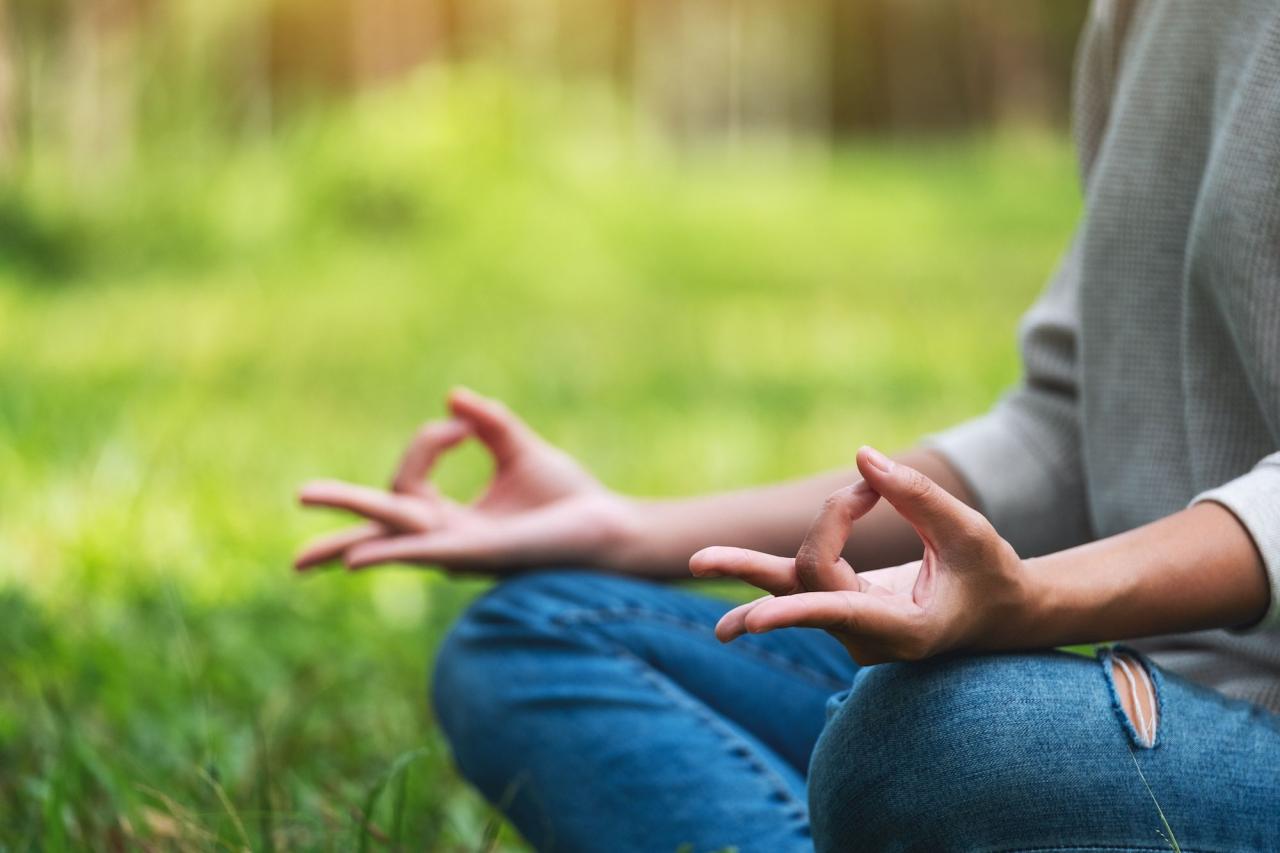
Creating a suitable environment and establishing a comprehensive routine are essential steps to ensure a productive meditation session focused on self-discipline. Proper preparation helps in cultivating a calm, focused mindset, minimizes distractions, and promotes consistency in practice. Investing time in preparation also signals to your mind that it is time to enter a state of mindfulness, setting the stage for deeper concentration and effectiveness in your meditation journey.To maximize the benefits of meditation, it is important to arrange your surroundings thoughtfully.
A well-prepared environment not only reduces external disruptions but also enhances your overall experience. These preparatory steps involve selecting a quiet space, ensuring adequate comfort, and eliminating potential interruptions. Additionally, gathering necessary materials or tools can significantly support your concentration and consistency, making your practice more effective and enjoyable. Developing a simple, consistent routine before starting your meditation helps in mentally and physically priming yourself, fostering a disciplined approach that aligns with your self-improvement goals.
Creating a Conducive Environment for Meditation
The environment in which you meditate plays a critical role in shaping your ability to focus and relax. A peaceful, clutter-free space minimizes distractions and helps your mind settle into a meditative state. Choose a location that is quiet, away from noise sources such as televisions, phones, or household activities. If possible, dedicate a specific corner or room for meditation, which can psychologically reinforce your routine and deepen your sense of ritual.
Lighting and temperature are also important considerations. Soft, natural light or dim, warm lighting creates a calming atmosphere. The room should be comfortably warm or cool, depending on your preference, to prevent discomfort that might distract you during practice. Additionally, using a comfortable cushion or mat to sit on can enhance physical ease, preventing discomfort from prolonged sitting.
Necessary Materials or Tools to Enhance Focus and Consistency
While meditation primarily relies on mental focus, certain materials and tools can help deepen concentration and maintain consistency over time. These resources serve as physical cues that reinforce your routine and create a dedicated meditation space.
- Meditation cushion or chair: Provides proper support and comfort, encouraging an upright and relaxed posture essential for sustained focus.
- Timer or meditation app: Ensures that sessions are kept within desired durations without the need to watch a clock, allowing you to fully immerse in your practice.
- Incense, essential oils, or calming scents: Aromatherapy can create a soothing environment and signal to your mind that it’s time to meditate, aiding relaxation.
- Blanket or shawl: Keeps you warm and comfortable, especially during longer sessions or in cooler environments, preventing physical discomfort.
- Notebook or journal: Useful for reflecting on your practice, tracking progress, and noting insights or challenges encountered during meditation.
Developing a Preparatory Routine to Mentally and Physically Prepare
A consistent preparatory routine signals your mind that it is time to shift into a meditative state. This routine can include simple physical and mental steps to facilitate focus and relaxation, ultimately reinforcing your discipline.
Engaging in a brief physical activity, such as stretching or deep breathing, helps release tension and primes your body for stillness. Clearing your mind with positive affirmations or setting an intention for your session can sharpen your focus and clarify your purpose.
Before beginning meditation, allocate a few minutes to perform calming activities. These might include gentle stretching to loosen muscles, deep diaphragmatic breathing to oxygenate the body, or silent reflection on your goals for practicing self-discipline. Turning off or silencing electronic devices minimizes interruptions, while lighting a candle or incense can create a serene atmosphere that prepares your senses for tranquil focus.
Establishing a ritual—such as sitting in the same spot, lighting a specific incense, or adopting a particular posture—reinforces mental associations that signal the transition into meditation. Over time, this routine enhances your discipline by cultivating a habitual approach, making it easier to commence each session with clarity and calmness.
Techniques of Meditation for Building Self Discipline
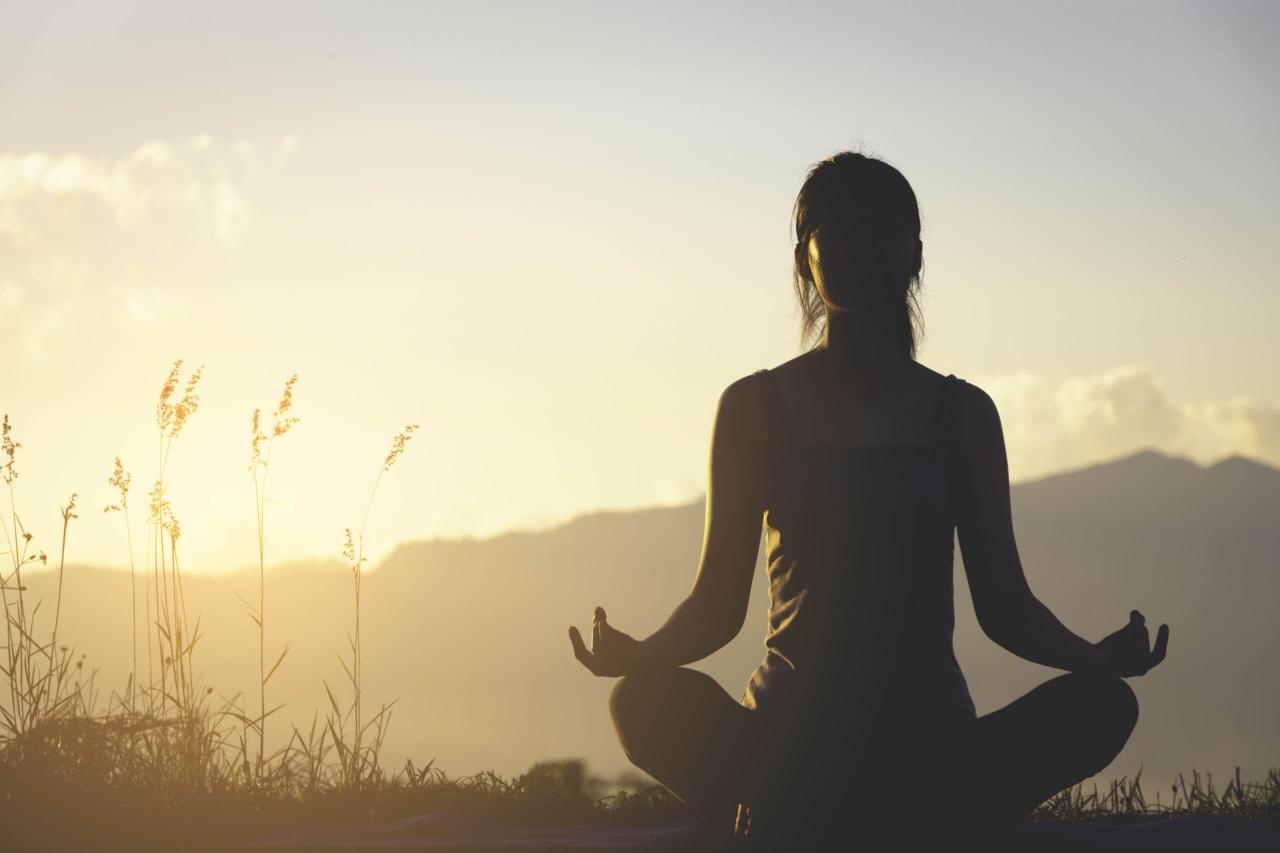
Building self-discipline through meditation involves practicing specific methods that enhance focus, control, and mental resilience. These techniques help cultivate consistent habits, strengthen concentration, and develop a deeper sense of inner strength. By integrating structured practices into daily routines, individuals can reinforce their commitment to personal growth and self-control, thereby fostering enduring discipline in various aspects of life.Understanding different meditation methods allows practitioners to select approaches most suitable for their goals and lifestyles.
Each technique offers unique benefits, from fostering mindfulness to enhancing concentration. Developing a structured meditation session centered on discipline requires intentional focus on maintaining attention and resisting distractions. Incorporating affirmations during meditation further reinforces self-control by embedding positive, motivating statements into the subconscious mind.
Mindfulness Meditation
Mindfulness meditation emphasizes paying deliberate attention to the present moment without judgment. This method trains individuals to observe their thoughts, feelings, and sensations with acceptance and awareness. Regular practice improves self-awareness, enabling better regulation of impulses and reactions, which are essential components of self-discipline.Practitioners typically sit comfortably, focusing on their breathing or bodily sensations. When the mind wanders, gentle redirection to the present moment is practiced without self-criticism.
Over time, mindfulness enhances mental clarity and emotional stability, fostering resilience against temptations and distractions.
Focusing on Breath
Breath-focused meditation involves centering attention solely on the act of breathing. This technique cultivates concentration and mental stability by using the breath as an anchor. It is especially effective for developing discipline because it requires sustained attention and patience.To practice, individuals find a quiet space, sit comfortably, and observe their inhalations and exhalations. They may count breaths to deepen focus, for example, inhaling for four counts and exhaling for four counts.
When distracted, practitioners gently return their focus to the breath, strengthening their ability to sustain attention over time.
Guided Visualization
Guided visualization entails imagining specific scenarios or outcomes that embody discipline and perseverance. This technique leverages the power of the imagination to reinforce positive behaviors and mental resilience. Listening to or following a recorded visualization, practitioners imagine themselves successfully overcoming challenges and maintaining focus.A typical session involves sitting quietly, closing the eyes, and focusing on a guided narrative that depicts personal success in disciplined activities—such as completing a difficult task, resisting temptation, or achieving a goal.
Repeated practice reinforces a mental blueprint for disciplined behavior, making it more accessible in real-life situations.
Designing a Structured Meditation Session for Concentration and Discipline
A well-structured meditation session aimed at building self-discipline should incorporate elements that promote sustained focus and intentional effort. The session begins with setting a clear intention, such as strengthening focus or resisting distractions. Practitioners should choose a quiet, comfortable environment free from interruptions. The session can be divided into phases:
- Preparation: Set a specific duration (e.g., 10-20 minutes) and adopt a comfortable posture.
- Initial Focus: Begin with deep, calming breaths to settle the mind.
- Core Practice: Engage in the selected meditation technique—mindfulness, breath focus, or visualization—maintaining attention and gently redirecting when distracted.
- Reinforcement: Use affirmations to reinforce the intention of discipline and control, such as “I am focused” or “I control my impulses.”
- Closing: Gradually bring awareness back to the surroundings, expressing gratitude for the practice and reaffirming commitment to discipline.
Incorporating regular practice, ideally daily, enhances the development of concentration and self-control over time.
Incorporating Affirmations to Reinforce Self-Control During Meditation
Affirmations are positive, present-tense statements that influence subconscious beliefs and behaviors. When integrated into meditation, they serve as mental cues that reinforce self-control and discipline.To maximize effectiveness:
- Select affirmations aligned with personal goals, such as “I am disciplined,” “I control my impulses,” or “I stay focused on my goals.”
- Repeat affirmations mentally during the meditation session, especially during moments of distraction or difficulty.
- Combine affirmations with mindful breathing—inhale while thinking “I am disciplined,” and exhale while affirming “I am focused.”
- Visualize embodying the affirmation while repeating it, creating a strong mental association between the statement and personal experience.
Consistent use of affirmations during meditation helps reprogram subconscious patterns, making disciplined behaviors more natural and automatic in daily life. Over time, this mental reinforcement supports the development of sustained self-control and resilience against temptations or setbacks.
Developing a Consistent Meditation Routine
Establishing a reliable meditation schedule is fundamental to cultivating self-discipline through meditation. Consistency transforms occasional practice into a habitual part of daily life, reinforcing mental resilience and focus. Creating a structured routine helps embed meditation into your daily schedule, making it a natural and expected activity rather than an occasional endeavor. This consistency not only enhances your meditation skills but also amplifies the long-term benefits such as increased self-awareness, emotional stability, and overall well-being.To develop a sustainable meditation routine, it is essential to set clear, achievable goals and integrate meditation into your daily schedule in a manner that aligns with your lifestyle.
Maintaining this discipline requires deliberate planning, flexibility, and motivation to continue practicing despite challenges that may arise. The following strategies will assist in establishing a routine that is both manageable and rewarding.
Methods to Establish and Maintain a Daily Meditation Schedule
Creating a consistent meditation routine begins with practical methods that foster commitment and reduce the likelihood of skipping sessions.
- Designate a Specific Time each day dedicated solely to meditation, such as early morning, lunch break, or evening before bed. Consistency in timing helps reinforce the habit.
- Start Small with just 5-10 minutes daily and gradually increase duration as the practice becomes ingrained. This avoids overwhelm and builds confidence.
- Choose a Comfortable Space where distractions are minimized, and the environment is quiet and inviting. This physical setting anchors your routine.
- Use Reminders like alarms or calendar notifications to prompt practice sessions, ensuring they become an integral part of your daily agenda.
- Track Progress through journals or digital apps to visualize your consistency, providing motivation and accountability.
A Sample Weekly Meditation Plan with Varied Techniques
Variety in meditation practices not only sustains engagement but also nurtures different aspects of self-discipline, such as patience, focus, and emotional resilience. A well-structured weekly plan can balance different techniques to keep motivation high and prevent monotony.
Here is a sample weekly schedule designed to incorporate diverse meditation styles:
| Day | Technique | Duration | Focus |
|---|---|---|---|
| Monday | Mindfulness Meditation | 10 minutes | Present moment awareness, breath focus |
| Tuesday | Guided Visualization | 15 minutes | Imagery for relaxation and goal setting |
| Wednesday | Body Scan Meditation | 10 minutes | Physical sensations, grounding |
| Thursday | Loving-Kindness Meditation | 12 minutes | Compassion towards oneself and others |
| Friday | Focused Attention Meditation | 10 minutes | Object or mantra concentration |
| Saturday | Walking Meditation | 15 minutes | Mindful movement, bodily awareness |
| Sunday | Reflection and Gratitude Practice | 10 minutes | Positive affirmation and emotional grounding |
This varied approach ensures that meditation remains engaging and beneficial, catering to different facets of mental discipline and emotional health. Adjust durations and techniques based on personal progress and preferences.
Tips for Overcoming Common Obstacles
Maintaining a meditation routine often involves navigating challenges like distraction, waning motivation, or setbacks due to busy schedules. Recognizing these obstacles and having strategies to address them enhances consistency and perseverance.
Consistency is key, but flexibility is essential. Adapt your routine to fit life’s dynamic nature without compromising your overall commitment.
- Address Distractions: Create a dedicated, quiet space, turn off electronic devices, and inform others of your meditation time to minimize interruptions.
- Manage Wandering Attention: Use gentle reminders to bring focus back to your breath or chosen object, practicing patience and non-judgmental awareness.
- Overcome Loss of Motivation: Remind yourself of the benefits gained and set small, achievable goals. Celebrating milestones can reinforce your resolve.
- Handle Time Constraints: Opt for shorter sessions on busy days, such as 5-minute breathing exercises, emphasizing quality over quantity to sustain the habit.
- Stay Accountable: Partner with a meditation buddy or join group sessions, which foster accountability and provide motivation through shared commitment.
By implementing these methods and tips, establishing a disciplined, consistent meditation routine becomes a manageable and fulfilling journey. Over time, this routine will significantly strengthen your self-discipline, supporting personal growth and mental resilience.
Measuring Progress in Self Discipline through Meditation
Tracking progress in self-discipline through meditation allows practitioners to observe tangible improvements, stay motivated, and refine their approach. It transforms an abstract internal effort into concrete, measurable outcomes, enabling individuals to recognize growth over time and identify areas needing further development. A structured system of assessment not only sustains motivation but also deepens the understanding of one’s internal states and behavioral patterns.
Effectively measuring discipline involves establishing clear metrics for consistency and evaluating internal qualities such as focus, patience, and resilience during meditation sessions. These assessments provide insight into how meditation practices influence overall self-control and mental strength, fostering a more intentional and disciplined lifestyle.
Tracking Meditation Consistency and Discipline Growth
Creating a comprehensive system to monitor meditation habits involves setting up specific parameters that reflect both frequency and quality of practice. Consistency can be tracked through daily or weekly logs that record whether meditation sessions were completed, their duration, and the time of day. Over time, these records reveal patterns and help set realistic goals for improvement.
Using digital apps or traditional journals, practitioners can document their practice routines, noting days missed and reasons for gaps. Analyzing this data encourages accountability and highlights progress in establishing disciplined habits. Visual charts, such as streak counters or progress graphs, serve as motivational tools by illustrating continuous commitment or periods of fluctuation.
Assessing Internal States During Meditation
Monitoring internal experiences during meditation is critical for understanding how discipline influences mental and emotional states. Focus, patience, and resilience can be evaluated through self-observation and reflective notes after each session. Recognizing moments of distraction, frustration, or difficulty allows practitioners to gauge their internal resilience and capacity for sustained attention.
Practitioners can develop a personal rating system, rating their focus level on a scale of 1 to 10, noting instances where patience waned or resilience was tested. Recording these observations over time helps identify triggers for distraction or impatience and track improvements in handling such challenges. Cultivating awareness of these internal states enhances discipline by fostering a mindful approach to overcoming obstacles.
Journaling and Reflection for Discipline Improvement
Journaling acts as a vital tool for internal assessment and motivation. Regularly writing about meditation experiences encourages clarity, self-awareness, and accountability. Reflective entries can include observations about focus levels, emotional reactions, resilience during difficult moments, and overall progress in discipline.
Sample journal entries might describe a session where concentration was maintained for a longer duration than previous times, or where patience was tested but remained steady. Over weeks or months, these logs reveal trends such as increased stability, reduced distractions, or improved emotional regulation, which serve as evidence of growing discipline.
Consistent reflection transforms subjective experiences into objective insights, reinforcing positive habits and highlighting areas for continued effort.
Practitioners can also develop specific logs or templates to record key metrics, such as:
| Date | Session Duration | Focus Level (1-10) | Patience Level (1-10) | Resilience Notes | Overall Discipline Rating (1-10) |
|---|---|---|---|---|---|
| 2024-04-20 | 20 minutes | 8 | 7 | Kept calm despite initial distraction | 8 |
| 2024-04-21 | 25 minutes | 9 | 8 | Faced a challenging thought but maintained focus | 9 |
By systematically reviewing these entries, practitioners can observe their progression in discipline, identify patterns, and set targeted goals for future sessions. Over time, this combination of quantitative data and qualitative reflection fosters a deeper understanding of personal growth through meditation, reinforcing the path toward greater self-control and resilience.
Enhancing Self Discipline Beyond Meditation
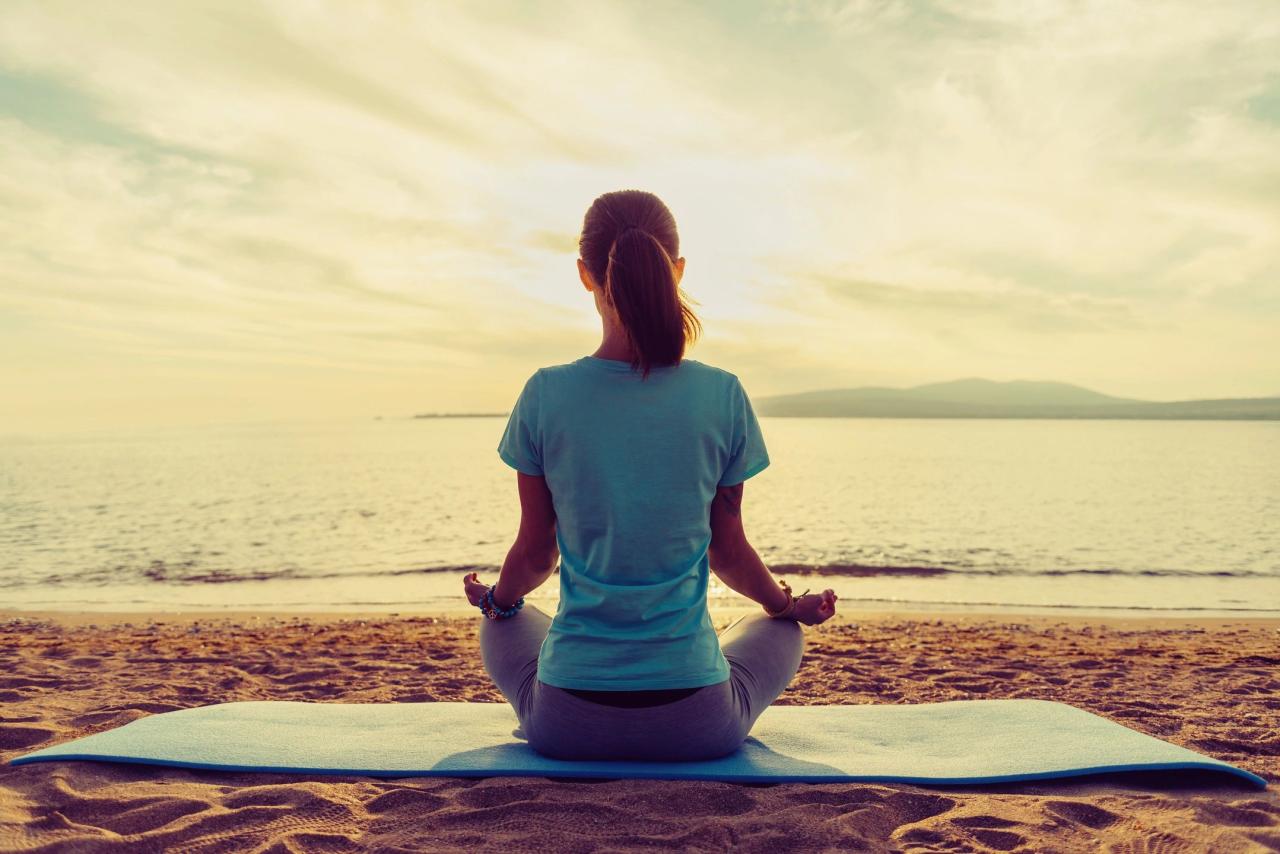
Establishing self discipline through meditation provides a solid foundation, but its true power unfolds when integrated into everyday life. By consciously applying the insights gained from meditation sessions, individuals can reinforce their discipline in various real-world scenarios. This extension of practice transforms inner calm and focus into tangible, sustained actions that support personal growth and goal achievement. Developing strategies to maintain motivation, especially during challenging periods, ensures that the discipline cultivated remains resilient and adaptable, enabling continuous progress beyond the meditation cushion.
Effective self-discipline is not solely rooted in meditative practice but is enhanced through deliberate integration into daily routines and mindset shifts. When meditation insights are consciously applied, they serve as tools for managing distractions, overcoming procrastination, and reinforcing positive habits. The key lies in designing exercises that link meditation with goal-setting and habitual actions, creating a seamless flow between inner awareness and external behaviors.
Additionally, cultivating resilience and motivation during setbacks or difficult times is essential for maintaining momentum and ensuring long-term discipline growth.
Integrating Meditation Insights into Real-Life Discipline Scenarios
Converting meditation insights into actionable strategies involves mindful reflection and intentional practice. Recognizing moments of impulsiveness or distraction during daily activities allows individuals to pause and apply the calmness and clarity cultivated during meditation. For example, before reacting to stressful situations at work or in personal relationships, practicing a brief mindfulness pause grounded in meditation techniques can prevent knee-jerk reactions and promote more disciplined responses.
This integration enhances emotional regulation and decision-making, reinforcing self-control in practical contexts.
Another approach involves journaling insights gained from meditation sessions and reflecting on how these can be applied to specific discipline challenges. For instance, if meditation helps recognize patterns of procrastination, individuals can develop targeted plans to address these habits, such as breaking tasks into manageable pieces or setting clear intentions before starting work. Over time, consistent application of these insights fosters a disciplined mindset that aligns with inner awareness, making discipline more natural and less burdensome.
Designing Exercises Combining Meditation with Goal-Setting and Habit Formation
Incorporating meditation into the process of setting goals and forming habits enhances focus and commitment. Exercises such as visualization meditation can be utilized to vividly imagine achieving specific goals, reinforcing motivation and clarity. For example, dedicating a few minutes each morning to visualize completing a project or adopting a new healthy habit can strengthen the neural pathways associated with discipline and action.
Another effective exercise involves pairing meditation sessions with SMART (Specific, Measurable, Achievable, Relevant, Time-bound) goal reviews. After a meditation on inner calm and resilience, individuals can spend time reviewing their progress and adjusting their goals accordingly. Additionally, mindfulness during habit formation—such as mindful eating or exercise—ensures that actions are consciously aligned with discipline objectives. These exercises foster a deeper connection between mental clarity and behavioral consistency, making disciplined habits more sustainable.
Strategies for Maintaining Motivation and Discipline During Challenging Times
Maintaining motivation and discipline during setbacks requires intentional strategies rooted in resilience and self-compassion. Meditation can serve as a powerful tool to cultivate patience, acceptance, and a growth mindset. Regularly dedicating time to meditative practices focused on self-acceptance helps individuals navigate difficulties without losing sight of their long-term objectives.
Practical strategies include establishing accountability partners or support groups, which provide encouragement and reinforcement during difficult phases. Incorporating brief meditation sessions into daily routines, especially when facing stress or fatigue, can restore mental clarity and emotional balance. Setting intermediate milestones and celebrating small successes helps sustain motivation, making the journey feel manageable and rewarding. Additionally, maintaining a journal to track progress and reflect on lessons learned reinforces a mindset of continuous improvement and perseverance, vital for enduring discipline beyond the initial practice.
Common Challenges and Solutions
Practicing meditation for self-discipline can present several common challenges that may hinder progress and consistency. Recognizing these difficulties early and implementing effective solutions is crucial for maintaining a sustainable meditation practice. This section explores typical obstacles faced by individuals committed to developing self-discipline through meditation and offers practical strategies to overcome them, ensuring long-term commitment and growth.Meditation for self-discipline requires perseverance and patience.
The journey often involves encountering mental, emotional, and logistical hurdles that can dampen motivation or disrupt routine. Understanding these challenges and proactively addressing them enhances the likelihood of establishing a resilient and rewarding meditation habit.
Difficulty Maintaining Consistency
Consistency is fundamental to reaping the long-term benefits of meditation for self-discipline. However, busy schedules, forgetfulness, or waning motivation can disrupt regular practice.
- Establish a fixed time each day dedicated solely to meditation, ideally aligning with existing routines such as morning wake-up or evening wind-down.
- Use reminders or alarms on your phone or calendar to prompt your meditation sessions, ensuring they become an integral part of your daily schedule.
- Start with short sessions, such as five to ten minutes, gradually increasing duration to build endurance and habit formation.
- Track your progress using journals or meditation apps, which can provide visual motivation and accountability.
Difficulty Focusing During Meditation
Maintaining attention and avoiding distractions are common challenges that can hinder meditative effectiveness and discourage consistent practice.
- Create a dedicated, quiet space free from interruptions and background noise to foster focused meditation sessions.
- Incorporate simple grounding techniques before meditation, such as deep breathing or gentle stretching, to prepare the mind for focus.
- Use guided meditations or specific techniques like breath awareness to anchor your attention and reduce wandering thoughts.
- Accept that distraction is natural; gently bring your focus back to your chosen point of meditation without self-criticism.
Dealing with Frustration and Impatience
Progress in meditation can be slow, and moments of frustration or impatience may arise, particularly if immediate results are expected.
- Adopt a mindset of patience and self-compassion, recognizing that meditation is a skill developed over time.
- Set realistic goals, such as practicing daily for a week or two, rather than expecting rapid transformations.
- Celebrate small achievements, like maintaining focus for longer periods or practicing consistently for a certain number of days.
- Remind yourself of the intrinsic value of the practice itself, beyond tangible outcomes, to foster intrinsic motivation.
Overcoming External Distractions
External factors such as noise, interruptions, or environmental disturbances can impede meditation practice, especially for beginners.
- Choose a quiet time of day when external disturbances are minimal, such as early mornings or late evenings.
- Inform household members of your meditation schedule to minimize unexpected interruptions.
- Use physical barriers like closed doors or noise-canceling headphones if necessary to create a conducive environment.
- Incorporate background sounds like gentle music or nature sounds to mask disruptive noises and enhance focus.
Long-Term Commitment Troubleshooting
Maintaining a meditation routine over months or years can be challenging, particularly during periods of stress or change.
“Consistency is key, but flexibility sustains the practice.”
- Allow for flexibility by adjusting meditation duration or timing during busy or stressful periods without abandoning the practice entirely.
- Set specific, achievable goals and revisit them periodically to stay motivated and aligned with personal growth.
- Join meditation groups or communities for social support and accountability, which can reinforce commitment.
- Reflect regularly on the benefits experienced from meditation, reinforcing motivation and commitment to the practice.
Recognizing that setbacks are natural parts of the journey empowers practitioners to develop resilience. Implementing these solutions can significantly improve adherence to meditation routines, ultimately strengthening self-discipline and fostering a balanced, mindful lifestyle.
Visual and Descriptive Guides to Meditation
Effective meditation practice relies heavily on visualization and sensory engagement. By engaging your imagination and utilizing detailed mental imagery, you can deepen your focus, enhance your discipline, and create a more profound meditative experience. Visual guides serve as invaluable tools to help practitioners understand and internalize proper techniques, postures, and focus points, making the practice more accessible and effective.
Incorporating vivid descriptions and structured visual aids can significantly improve your meditation routine. These guides act as mental maps, assisting you in maintaining concentration and ensuring your practice remains consistent and purposeful. Exploring descriptive imagery and step-by-step visual charts offers a practical pathway to mastering meditation for self-discipline.
Comprehensive Descriptions for Visualizing Successful Meditation Sessions
Visualization techniques involve creating detailed mental images that embody the qualities of a successful meditation session. Imagine yourself seated comfortably on a soft cushion, with your back straight yet relaxed, shoulders gently falling away from your ears. The ambient light is soft and calming, casting warm hues across the room. Feel the weight of your body grounding you, your hands resting gently on your lap, palms facing upward or downward as preferred.
Envision a gentle, rhythmic breathing pattern, where each inhale feels like a wave washing over you, filling your lungs with calm energy. As you exhale, imagine releasing tension and distractions, leaving your mind clear. Picture a serene, natural environment—perhaps a quiet forest or a tranquil lake—that aligns with your inner sense of peace. Visualize this scene in vibrant detail: the rustling leaves, the gentle ripple of water, the distant bird calls—each element reinforcing your focus and calmness.
Designing Infographics and Visual Charts for Meditation Techniques
Using visual aids can streamline understanding and execution of meditation techniques. Infographics should combine concise instructions with illustrations that depict each step clearly. For example, a step-by-step chart illustrating a basic mindfulness meditation can include the following stages:
| Step | Visual Description | Instruction |
|---|---|---|
| 1 | Person sitting cross-legged with a straight spine, eyes softly closed | Find a quiet space, sit comfortably, and adopt an upright posture |
| 2 | Hands resting on knees or lap, palms facing upward or downward | Place your hands in a natural, relaxed position |
| 3 | Focus on the breath, with subtle arrows indicating inhalation and exhalation | Begin mindful breathing, observing each breath without controlling it |
| 4 | Glowing or pulsating circle at the focus point, such as the breath or a mantra | Maintain your focus on the chosen point, gently returning when distracted |
| 5 | Relaxed, peaceful face with a slight smile and closed eyes | Continue the practice for a designated period, cultivating calmness |
This visual representation simplifies complex steps, making it easier for practitioners to follow and internalize their routines, thus strengthening self-discipline.
Detailed Imagery for Meditative Postures and Focus Points
The effectiveness of meditation often depends on correct posture and focus. Visualizing proper postures ensures alignment, which promotes comfort and stability during practice. Imagine sitting on a cushion or chair, with your spine elongated but relaxed, neck aligned with your back. Your shoulders are relaxed and away from your ears, and your chin is slightly tucked to lengthen the back of your neck.
The hands rest gently on your lap or knees, with palms either open or closed, depending on your preference.
Focus points should be chosen to anchor your attention. Visualize a soft glowing light at the tip of your nose to monitor your breath, or imagine a calming mantra or word centered in your mind’s eye. For body scans, picture a gentle wave of warmth or a soothing light traveling from the crown of your head through your entire body, relaxing muscles and releasing tension.
This detailed imagery helps maintain focus and fosters a disciplined approach, reducing distractions and encouraging consistency in your practice.
Last Recap
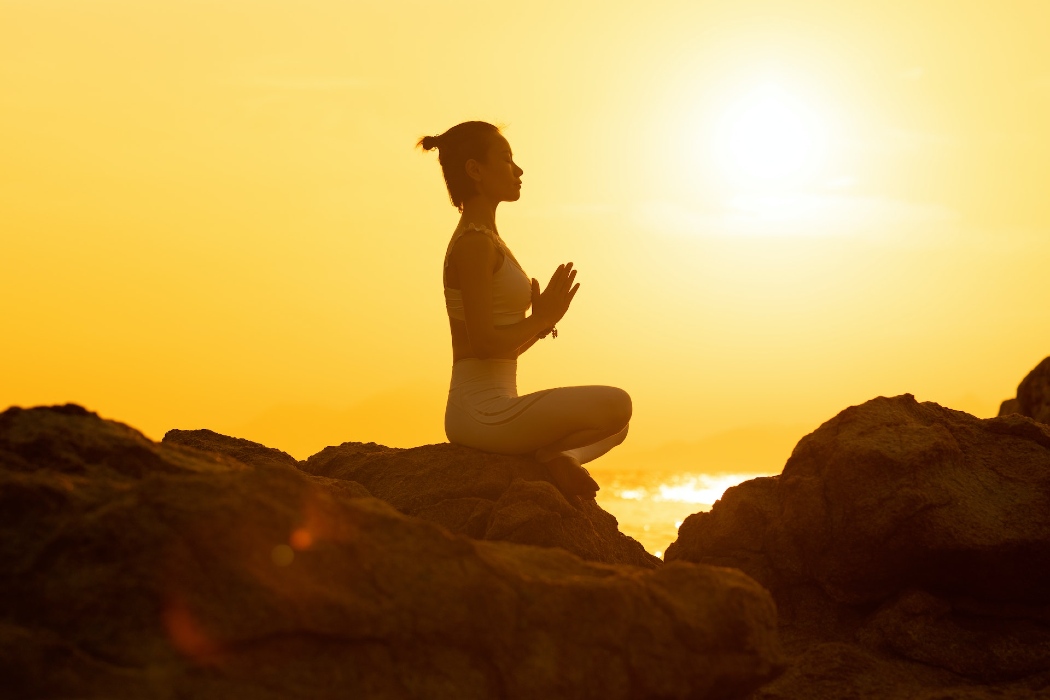
In summary, learning how to meditate for self discipline empowers you to develop essential inner strengths that support your personal growth. Consistency in practice, combined with effective techniques and reflection, can lead to meaningful improvements in your ability to stay disciplined and achieve your ambitions. Embracing meditation as a daily habit opens new avenues for sustained self-mastery and resilience.