Learning how to meditate for self-love can be a transformative practice that nurtures your relationship with yourself and promotes overall well-being. By dedicating time to cultivate self-compassion through meditation, you open the door to greater acceptance, confidence, and inner peace.
This guide explores effective techniques, preparation steps, and routines designed to help you develop a consistent self-love meditation practice. Embracing these methods can empower you to foster a positive self-image and navigate life’s challenges with resilience and kindness.
Introduction to Meditation for Self-Love

Meditation is a practice rooted in focusing the mind and cultivating a state of deep relaxation and awareness. When applied to self-love, meditation becomes a powerful tool that helps individuals develop a compassionate and accepting relationship with themselves. By engaging in intentional meditation practices, one can foster a positive self-perception that enhances overall emotional well-being.
Self-love is fundamental to mental health, resilience, and life satisfaction. It influences how individuals handle stress, navigate relationships, and pursue personal growth. Meditation offers a pathway to nurture this essential aspect of well-being by encouraging self-reflection, reducing negative self-talk, and reinforcing a sense of worthiness and acceptance.
The Relationship Between Meditation and Self-Love
Meditation techniques designed for self-love focus on cultivating feelings of kindness, compassion, and appreciation toward oneself. Regular practice can help diminish self-critical thoughts and replace them with affirmations and positive imagery. As individuals become more attuned to their inner experiences through meditation, they often notice a profound shift in how they perceive themselves.
Engaging in meditation for self-love involves creating a safe mental space where individuals can explore their inner feelings without judgment. This process encourages a compassionate attitude towards oneself, fostering emotional resilience, and promoting a healthier self-relationship. Over time, this practice can lead to increased confidence, self-acceptance, and a deeper sense of inner peace.
Preparing for Self-Love Meditation Practice

Establishing a serene and welcoming environment is fundamental to cultivating a mindful and effective meditation practice focused on self-love. Proper preparation not only enhances relaxation but also deepens the connection with oneself, allowing for a more meaningful experience. Additionally, selecting suitable attire and organizing essential props contribute significantly to creating a comfortable space conducive to introspection and emotional healing.
By dedicating thoughtful attention to these preparatory steps, practitioners set the stage for a peaceful meditation session that fosters self-compassion and inner harmony. The following guidelines provide practical insights into creating the ideal setting, choosing appropriate clothing, and assembling necessary items to support your journey toward self-love through meditation.
Creating a Peaceful Meditation Environment
The foundation of an effective self-love meditation lies in cultivating an environment free from distractions and filled with tranquility. A well-prepared space can significantly influence your ability to relax and focus inwardly. The following steps help in creating such an atmosphere:
- Select a quiet, private location where interruptions are minimal. This could be a corner of a room, a dedicated meditation nook, or even an outdoor space with natural surroundings.
- Ensure proper lighting, ideally soft and natural. Use dimmed lights, candles, or Himalayan salt lamps to create a soothing ambiance that promotes calmness.
- Maintain a comfortable temperature, neither too hot nor too cold, to prevent physical discomfort from distracting you during meditation.
- Incorporate calming elements such as gentle background music, nature sounds, or the subtle scent of essential oils like lavender or chamomile to enhance relaxation.
- Clear the area of clutter and unnecessary items to foster a sense of order and mental clarity, making it easier to enter a meditative state.
Selecting Appropriate Meditation Attire and Accessories
The clothing and accessories chosen for meditation should support comfort and ease of movement, allowing you to focus solely on your inner experience. Proper attire helps in minimizing physical constraints and promoting relaxation:
Wear loose, breathable clothing that does not restrict circulation or cause discomfort during the session.
Generally, natural fabrics such as cotton, linen, or modal are preferred for their softness and breathability. Avoid tight or restrictive garments that could distract or irritate during meditation. Accessories can also enhance your practice:
- Comfortable cushions or meditation chairs that provide proper spinal alignment and support, reducing physical strain.
- Soft blankets to keep warm and comfortable, especially during longer sessions or in cooler environments.
- Optional items such as eye masks or meditation scarves to block out visual distractions and foster deeper focus.
Organizing Necessary Items or Props for Meditation Sessions
Having the right items readily available simplifies the preparation process and ensures a seamless meditation experience. The following list highlights essential props that support comfort, focus, and emotional openness:
| Item | Purpose |
|---|---|
| Cushion or Zafu | Provides ergonomic support for comfortable seated posture, reducing strain on the back and hips. |
| Mat or Meditation Pillow | Offers a stable surface that encourages proper alignment and stability during seated practices. |
| Blanket or Shawl | Maintains warmth and comfort, especially in cooler environments, and can be used for wrapping oneself to foster a sense of security. |
| Essential Oils or Incense | Creates a calming atmosphere through aromatherapy, enhancing mental clarity and emotional openness. |
| Timer or Meditation App | Helps keep track of session duration, allowing full focus without worrying about time. |
| Journal and Pen | Provides a space for reflection, journaling insights or emotional releases that may arise during or after the practice. |
Ensuring these items are organized and within reach before starting your meditation allows for a smooth and focused practice. Creating a dedicated space equipped with these props transforms meditation into a nurturing ritual that encourages self-love, acceptance, and inner peace.
Techniques and Methods for Meditating for Self-Love
Engaging in meditation for self-love involves a variety of techniques that nurture compassion, acceptance, and a deeper understanding of oneself. These methods help individuals foster a nurturing relationship with themselves, enhancing emotional resilience and promoting overall well-being. Exploring different techniques allows one to discover what resonates most deeply, creating a sustainable and meaningful self-love practice.
Below are some of the most effective techniques and methods that can be integrated into a self-love meditation routine. Each approach offers unique benefits, whether through visualization, guided affirmations, or mindful breathing, supporting the journey toward self-acceptance and inner peace.
Visualization Techniques that Foster Self-Compassion
Visualization is a powerful tool that involves creating vivid mental images to evoke feelings of love and compassion toward oneself. This method helps individuals reframe negative self-perceptions and replace them with positive, affirming visuals. Regular practice can deepen self-compassion and foster a gentle, accepting attitude toward personal flaws and imperfections.
- Self-Compassion Imagery: Visualize a radiant light emanating from your heart, expanding outward to envelop your entire being in warmth and love. Imagine this light healing emotional wounds, soothing self-critical thoughts, and reinforcing your intrinsic worth.
- Guided Imagery of Self-Love: Envision yourself in a safe, serene space where you are embraced by loved ones or an inner nurturing presence. Feel their acceptance and unconditional love flowing toward you, reinforcing your sense of belonging and self-acceptance.
- Reframing Negative Self-Thoughts: When negative perceptions arise, mentally replace them with compassionate images—such as visualizing negative thoughts as clouds that dissipate, revealing your true, radiant self underneath.
“Visualization cultivates a compassionate inner dialogue by transforming self-critical narratives into nurturing images, fostering profound self-love.”
Guided Meditation Scripts Focused on Self-Acceptance
Guided meditations serve as structured scripts that lead individuals through affirmations and visualizations designed to reinforce self-acceptance. These scripts are accessible recordings or written practices that can be personalized, helping practitioners internalize positive beliefs about themselves and develop resilience against self-criticism.
- Affirmation-Based Scripts: Recite affirmations such as, “I am worthy,” “I accept myself unconditionally,” or “My imperfections make me unique and beautiful.” Repeating these affirmations with intention deepens their impact.
- Body-Scan for Self-Compassion: Visualize scanning each part of your body with kindness, acknowledging sensations without judgment. This practice reinforces acceptance of your physical self and promotes gratitude for your body’s role in your life.
- Emotional Release Scripts: Guided scripts that encourage acknowledging and releasing negative emotions with compassion, allowing space for healing and self-love to flourish.
“Guided meditation scripts designed for self-acceptance serve as gentle anchors, cultivating inner kindness and fostering a resilient sense of self-worth.”
Mindful Breathing Exercises to Enhance Self-Awareness
Mindful breathing forms the foundation of many self-love meditation practices. Focusing on breath helps ground awareness in the present moment, reducing self-criticism and promoting a compassionate attitude toward oneself. Breathing exercises are simple, versatile, and can be incorporated into daily routines to reinforce self-awareness.
- Deep Belly Breathing: Inhale slowly through the nose, allowing the abdomen to expand fully. Exhale gently through the mouth, releasing tension. Focus on each breath as a source of calm and self-nurturing energy.
- Counting Breaths: Count each inhale and exhale up to a comfortable number, such as four or six. This count anchors attention and cultivates patience, kindness, and acceptance during practice.
- Loving-Kindness Breathing: Combine breath awareness with silent phrases such as “May I be loved,” “May I be peaceful,” or “May I accept myself as I am,” synchronized with each breath cycle.
“Mindful breathing enhances self-awareness by anchoring attention, reducing negative thought patterns, and cultivating a compassionate relationship with oneself.”
Comparison of Different Meditation Styles for Self-Love
| Style | Description | Main Focus | Ideal For |
|---|---|---|---|
| Mindfulness Meditation | Practicing present-moment awareness without judgment, observing thoughts and emotions as they arise. | Self-awareness and acceptance | Individuals seeking to cultivate non-judgmental awareness of their inner experiences |
| Visualization Meditation | Creating vivid mental images to evoke feelings of love, compassion, or healing. | Self-compassion and emotional healing | Those wanting to foster positive self-perceptions and emotional resilience |
| Guided Meditation | Following pre-recorded or instructor-led scripts focusing on self-acceptance and kindness. | Structured self-love practices and affirmation reinforcement | Beginners and individuals preferring external guidance |
| Breathing Exercises | Focusing attention on breath to promote relaxation and present-moment awareness. | Reducing stress and enhancing self-awareness | Everyone, especially those experiencing stress or emotional turbulence |
Developing a Meditation Routine Focused on Self-Love
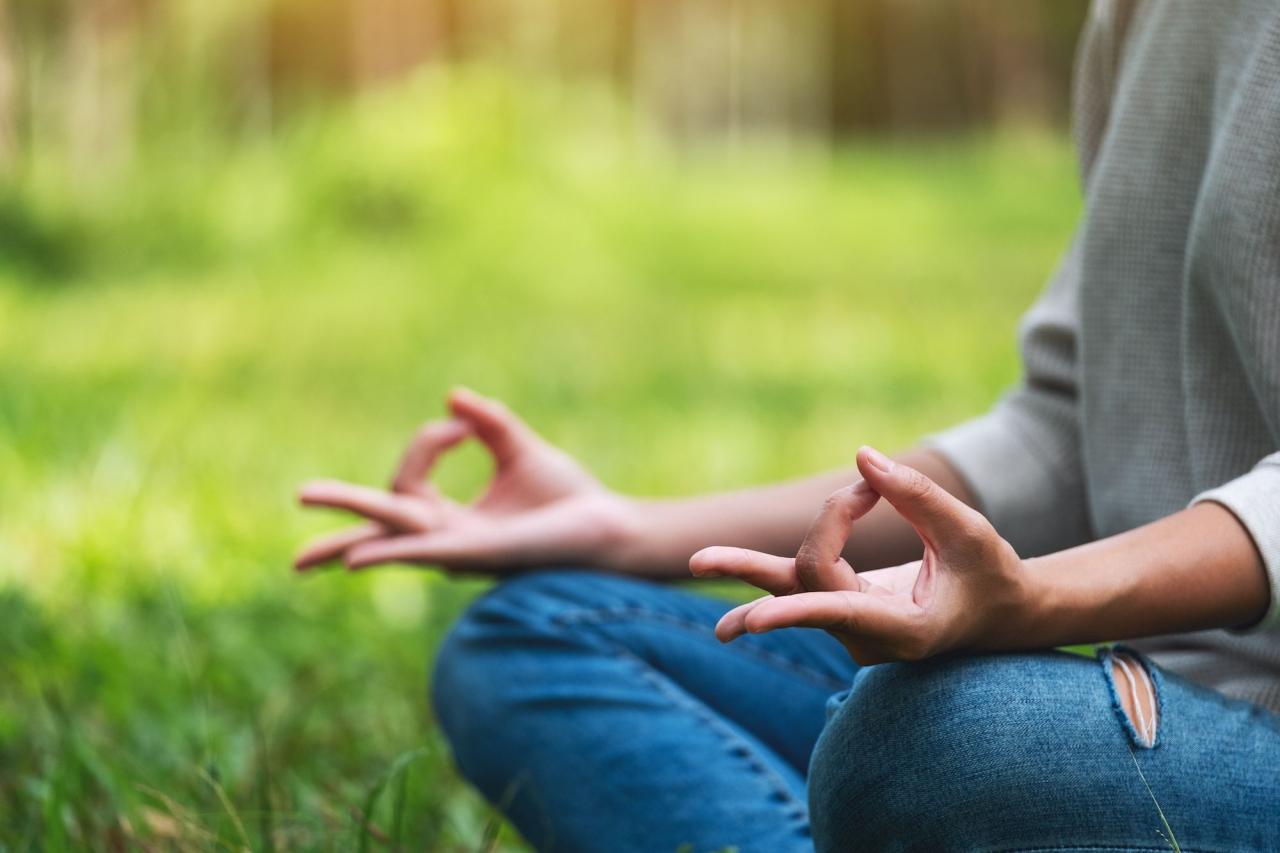
Establishing a consistent meditation routine centered on self-love is essential for cultivating a deeper sense of compassion and acceptance towards oneself. A well-structured routine helps embed self-affirming practices into daily life, making self-love an ongoing journey rather than a temporary effort. By creating a dedicated schedule, tracking progress, and integrating affirmations and intentions, individuals can foster a sustainable and meaningful meditation practice that nurtures their emotional well-being over time.Consistency in meditation enhances the brain’s plasticity related to positive self-perception and emotional resilience.
It transforms abstract goals into habitual behaviors that reinforce self-respect and kindness. Incorporating methods such as journaling feelings after each session, utilizing affirmations within meditation, and setting clear intentions before each practice deepens the impact of meditation on self-love, making it a vital part of personal growth and emotional health.
Steps to Establish a Regular Meditation Schedule
Creating a sustainable meditation schedule involves understanding personal rhythms and committing to a manageable routine. Begin by selecting specific times of the day when you are least likely to be disturbed, such as early morning or evening before sleep. Consistency in timing helps reinforce the habit and signals to the mind that dedicated time for self-care has arrived.Start with short sessions, around 5 to 10 minutes, gradually increasing duration as comfort and familiarity grow.
Developing a visual or physical reminder—such as a meditation cushion or alarm—can serve as cues to maintain regularity. It is helpful to choose a quiet, comfortable space that is free from distractions. Maintain a flexible attitude, allowing adjustments to the schedule if life circumstances change, but prioritize returning to your routine to foster stability.
Methods to Track Progress and Feelings After Each Session
Monitoring emotional and mental shifts following meditation sessions provides valuable insight into the practice’s effectiveness and encourages continued commitment. Maintain a dedicated journal or use digital applications to record reflections immediately after each session. Include notes on your mood, physical sensations, thoughts, and any insights gained during meditation.Tracking patterns over time reveals trends, such as increased feelings of self-compassion or decreased self-critical thoughts.
For example, a person may notice that after two weeks of practice, their self-talk becomes more positive, or they respond more gently to setbacks. Sharing these reflections in a private journal supports self-awareness and motivation, reinforcing the positive changes meditation facilitates.
Ways to Integrate Affirmations Within Meditation Practices
Incorporating affirmations into meditation strengthens affirming beliefs and helps rewire negative thought patterns. During meditation, repeat positive statements about oneself, such as “I am worthy of love,” “I accept myself fully,” or “Self-care is my priority.” These affirmations should be rooted in genuine feelings and personal goals to maximize their impact.To effectively integrate affirmations, anchor them to breath awareness—mentally repeating affirmations with each inhalation or exhalation.
For example, inhale and think “I am enough,” exhale and think “just as I am.” Visualizing these affirmations as luminous words surrounding the heart area can deepen their resonance, fostering emotional connection. Repeating affirmations consistently during meditation helps internalize empowering beliefs, gradually replacing self-doubt with self-love.
Procedures for Setting Intentions Before Each Meditation Session
Setting clear intentions before meditation guides focus and aligns the practice with personal growth goals. Begin each session by taking a few moments to reflect on what you wish to cultivate through your meditation—such as kindness, patience, or acceptance. Formulate a concise and positive statement of intention, for instance, “Today, I intend to nurture self-compassion” or “My goal is to embrace my worth fully.”Mentally or verbally state your intention aloud before beginning the meditation, and visualize yourself embodying that intention throughout the session.
This practice creates a mindful anchor, ensuring that each meditation is purposeful and aligned with your desire for self-love. Revisiting these intentions regularly helps reinforce your commitment to inner kindness and transforms your meditation into a powerful tool for emotional healing and self-acceptance.
Overcoming Challenges in Self-Love Meditation
Practicing self-love meditation can be a transformative experience, yet it often presents obstacles that may hinder progress or diminish the effectiveness of the practice. Recognizing these common challenges and implementing strategies to address them is essential for fostering a resilient and fulfilling meditation routine focused on self-compassion. This section explores typical hurdles such as distractions and negative thoughts, and offers practical methods to navigate emotional resistance, maintain consistency, and deepen your self-love journey through meditation.Distractions and negative thoughts are among the most frequent barriers faced during meditation.
External noise, wandering attention, or intrusive self-critical thoughts can interrupt the flow and diminish the benefits of your practice. These obstacles are natural elements of the meditative process, and learning to manage them skillfully can significantly enhance your experience.Maintaining consistency and motivation in meditation requires deliberate effort and mindful planning. Life’s demands, fluctuating emotional states, or waning enthusiasm can lead to irregular practice.
Developing habits, setting realistic goals, and creating a supportive environment are crucial steps to sustain your commitment.Gently redirecting wandering thoughts is a core skill in meditation, especially when cultivating self-love. Instead of engaging with or judging these thoughts, employing compassionate techniques to acknowledge and gently guide your focus back to your intention fosters emotional resilience and deepens self-compassion.Deepening self-compassion when emotional resistance arises involves acknowledging difficult feelings without judgment.
Approaching such emotions with kindness, patience, and understanding allows you to confront internal resistance with grace, ultimately strengthening your capacity for self-love.
Managing Distractions and Intrusive Thoughts
External sounds, physical discomfort, or mental chatter are common sources of distraction during meditation. To address these, establish a quiet, comfortable environment and use anchoring techniques such as focusing on breath or bodily sensations. When intrusive thoughts appear, recognize them without judgment and gently guide your attention back to your meditation object, reinforcing that wandering thoughts are a natural part of the process.
Strategies to Sustain Practice and Motivation
Consistency is cultivated through routine and intention. Setting aside specific times each day, creating a dedicated meditation space, and tracking your progress foster a sense of commitment. Celebrating small milestones and recognizing the positive effects of meditation on your well-being can serve as motivating factors to continue your practice.
Techniques for Redirecting Wandering Thoughts
When your mind drifts, employ techniques such as labeling thoughts as “thinking” or “wandering,” then kindly return your focus to your chosen point of attention. Visualization tools, like imagining a gentle wave washing over your thoughts, can also help in releasing distractions peacefully. The key is to practice patience and avoid self-criticism, viewing each return to focus as a step toward greater self-awareness.
Deepening Self-Compassion Amid Emotional Resistance
Emotional resistance may manifest as feelings of shame, fear, or frustration during meditation. Approaching these emotions with a non-judgmental attitude and verbal affirmations such as,
“It’s okay to feel this way,”
can foster a safe space for emotional exploration. Incorporating loving-kindness phrases directed toward oneself, such as
“May I be kind to myself,”
helps cultivate a nurturing attitude, gradually reducing internal resistance and strengthening the foundation of self-love.
Enhancing Self-Love Beyond Meditation
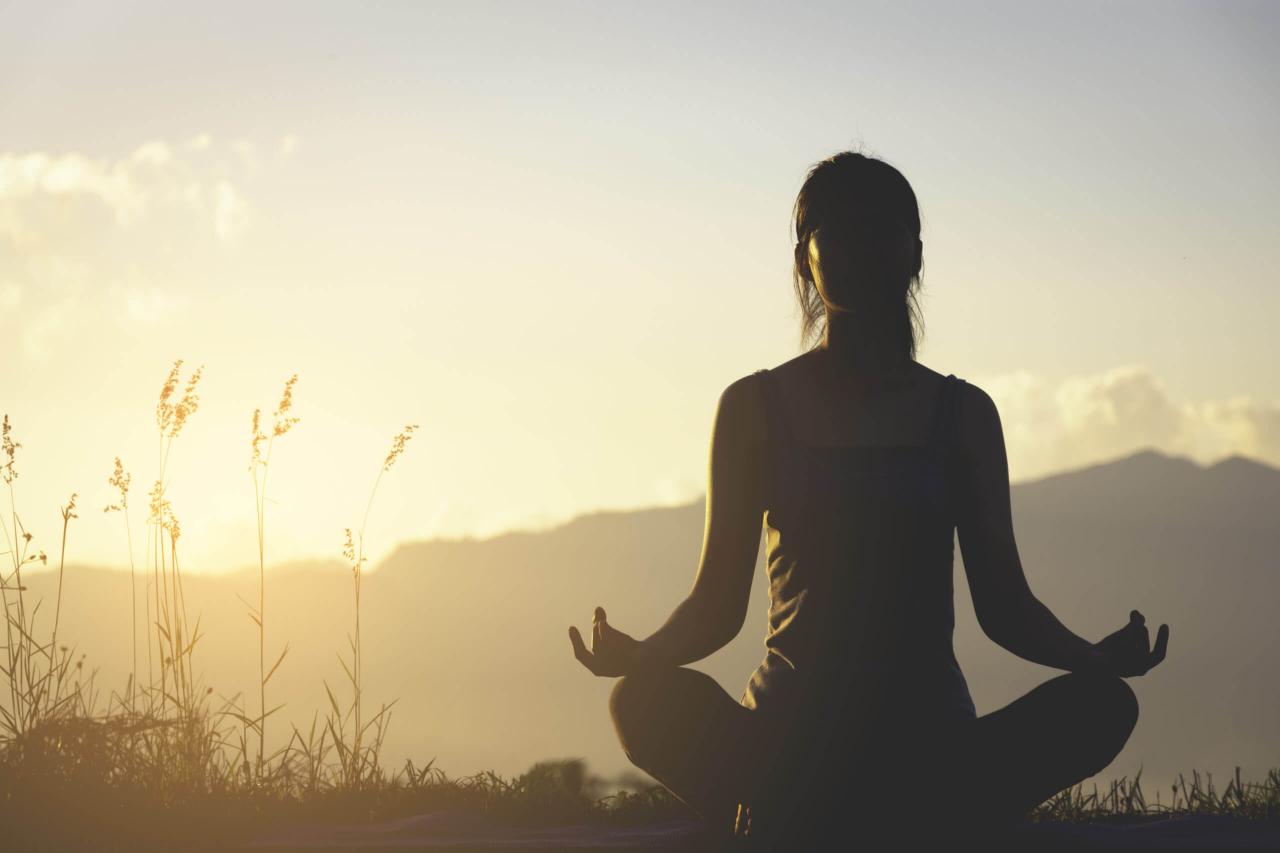
Fostering self-love is an ongoing journey that extends beyond meditation sessions. Incorporating complementary practices and creating a nurturing environment can significantly deepen your connection with yourself. By actively engaging in supportive daily activities, you reinforce positive self-perceptions and cultivate resilience. Integrating insights gained during meditation into everyday routines ensures that self-love becomes an intrinsic part of your life, promoting overall well-being and emotional balance.
Complementary Practices for Reinforcing Self-Love
Building a holistic approach to self-care involves integrating activities that nurture your mind, body, and spirit. Journaling allows for reflection on personal growth, recognizing achievements, and processing emotions, which collectively foster a compassionate relationship with oneself. Affirmations serve as powerful tools to reprogram limiting beliefs and reinforce positive self-perceptions. When consistently practiced, affirmations help cultivate an internal narrative rooted in acceptance and love.
Combining these practices with meditation enhances their effectiveness by reinforcing insights and emotional shifts achieved during your sessions.
Creating a Supportive Environment for Self-Love
A nurturing environment plays a crucial role in maintaining a steady focus on self-love. This can include decluttering personal spaces to promote clarity, displaying meaningful objects or quotes that inspire confidence, and surrounding oneself with supportive individuals who uplift and validate personal growth. Establishing routines that prioritize self-care—such as dedicated time for relaxation, healthy eating, and physical activity—creates a sanctuary conducive to ongoing self-compassion.
An environment that consistently affirms your worth encourages a resilient mindset and fosters a positive self-image.
Daily Activities That Reinforce Self-Acceptance
Engaging in intentional daily activities can significantly solidify feelings of self-acceptance. These include practicing mindful breathing during moments of stress, complimenting oneself for small achievements, and engaging in hobbies that bring joy and fulfillment. Maintaining a gratitude journal, where one notes daily positives about oneself and life, shifts focus toward abundance and self-appreciation. Regularly expressing kindness toward oneself—whether through self-massage, a warm bath, or simply speaking kindly—nurtures a profound sense of self-compassion that extends well beyond meditation sessions.
Integrating Meditation Insights Into Daily Life
Applying the insights gained during meditation into everyday activities ensures that self-love becomes a natural part of living. This can involve consciously reminding oneself of the affirmations and lessons learned during practice, especially during challenging moments. Incorporating mindful awareness into routine activities such as eating, walking, or working helps maintain a present-focused mindset rooted in self-compassion. Reflective practices like brief daily check-ins or visualizing positive outcomes based on meditation insights can reinforce the emotional and mental shifts necessary for sustained self-love.
Over time, these integrations promote a harmonious balance between inner awareness and external actions, cultivating a resilient and loving relationship with oneself.
Summary
Incorporating meditation into your daily routine dedicated to self-love can significantly enhance your emotional health and self-acceptance. As you continue to practice, you’ll discover deeper levels of compassion and inner harmony, enriching your life and relationships. Remember, consistent effort and patience are key to unlocking the full benefits of self-love meditation.