Discover effective strategies on how to meditate for seniors and unlock the numerous benefits that meditation offers to improve mental clarity, emotional stability, and physical health in older adults. Engaging in meditation can serve as a gentle yet powerful tool to promote relaxation, reduce stress, and foster overall wellness tailored specifically for seniors’ unique needs.
This guide explores practical techniques, environmental preparations, and adaptive methods to ensure seniors can comfortably incorporate meditation into their daily routines. By understanding the challenges and solutions, seniors and their caregivers can create a sustainable and meaningful meditation practice that enhances quality of life.
Introduction to Meditation for Seniors
Meditation offers valuable opportunities for seniors to enhance their overall well-being by fostering mental clarity, emotional stability, and physical health. As individuals age, they often encounter unique challenges such as increased stress, chronic pain, reduced mobility, and emotional fluctuations. Engaging in meditation can serve as a practical, accessible method to address these issues and promote a healthier, more balanced lifestyle.
For older adults, meditation acts as a gentle yet effective tool to improve quality of life. It can help manage anxiety and depression, enhance concentration, and support physical health by reducing blood pressure and alleviating symptoms of stress-related conditions. Furthermore, meditation encourages mindfulness, which enables seniors to stay present and resilient amidst life’s transitions, fostering a sense of peace and acceptance during aging.
Benefits of Meditation for Seniors
Understanding how meditation positively impacts seniors’ health underscores its importance as a daily practice. The benefits extend across mental, emotional, and physical dimensions, contributing to overall vitality and happiness.
| Aspect | Benefits |
|---|---|
| Mental Health | Enhances focus, reduces cognitive decline, and alleviates symptoms of anxiety and depression. |
| Emotional Well-being | Promotes emotional stability, reduces feelings of loneliness, and increases resilience to stress. |
| Physical Health | Low-impact activity that can lower blood pressure, improve sleep quality, and reduce chronic pain. |
Challenges Faced When Starting Meditation and Strategies to Overcome Them
Embarking on a meditation practice may involve certain difficulties, particularly for seniors unfamiliar with this discipline. Recognizing these challenges enables the development of effective strategies to ease the transition and foster consistency.
- Physical Limitations: Mobility issues or discomfort can hinder sitting or maintaining postures. Using supportive cushions or chair-based meditation can provide comfort.
- Difficulty Focusing: Wandering thoughts and difficulty maintaining attention are common. Starting with short sessions and guided meditations can improve focus over time.
- Lack of Experience: Anxiety about doing it “correctly” might discourage practice. Emphasizing that meditation is a personal journey without strict rules can reduce apprehension.
- Emotional Resistance: Feelings of frustration or resistance to quiet time may arise. Gentle encouragement and patience, along with community support, can facilitate persistence.
“Consistency and patience are key elements that allow meditation to become a rewarding part of senior life, fostering gradual but lasting benefits.”
Preparing for Meditation
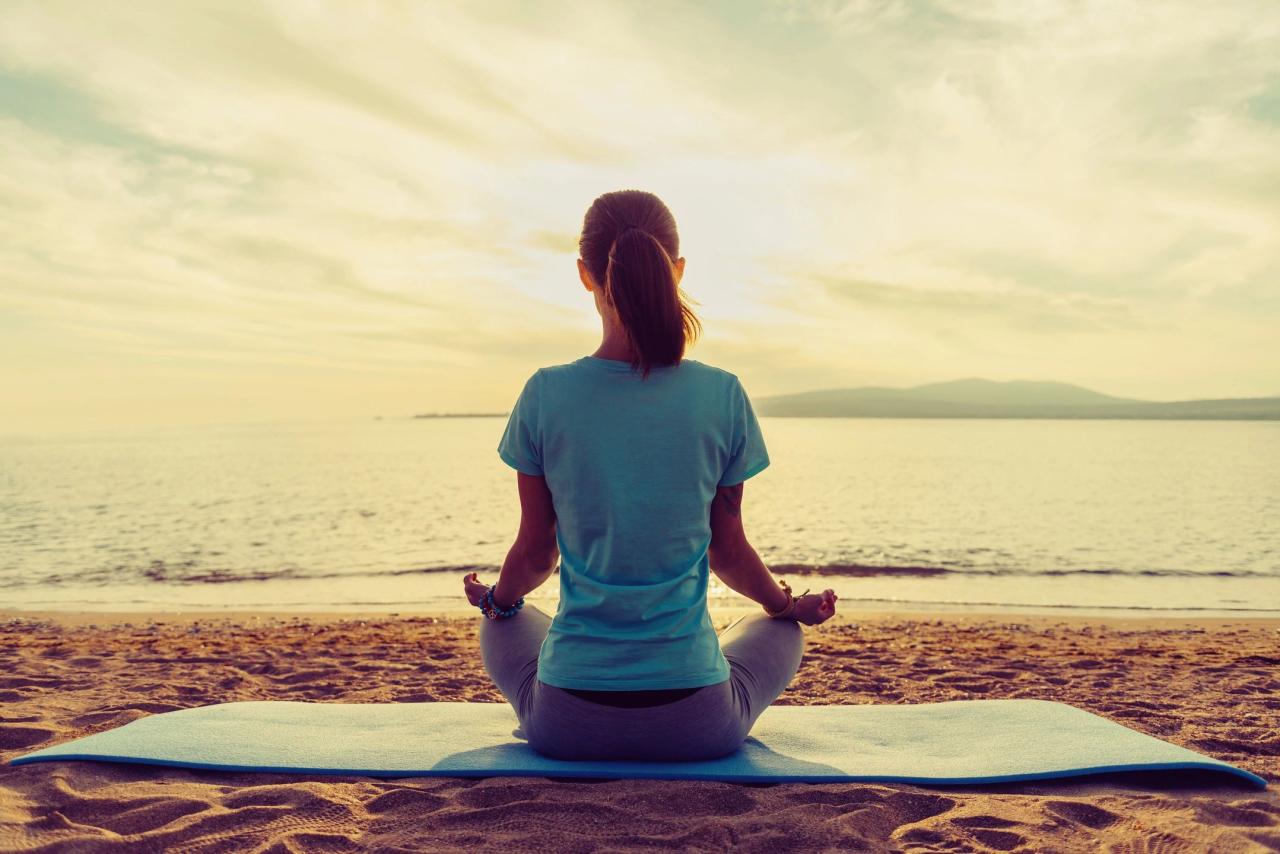
Establishing an appropriate environment is essential for seniors to experience the full benefits of meditation. Creating a space that is comfortable, safe, and free from distractions enhances focus and promotes relaxation. Proper preparation also involves selecting suitable props and establishing a consistent routine, which collectively support a positive meditation experience tailored to seniors’ unique needs and lifestyles.
Effective preparation reduces potential discomfort and encourages regular practice, fostering a sense of discipline and mindfulness. By paying attention to these details, seniors can cultivate a peaceful environment that nurtures their mental, emotional, and physical well-being during meditation sessions.
Creating a Comfortable and Safe Meditation Environment
Designing a meditation space that prioritizes comfort and safety involves considering lighting, temperature, seating, and the surrounding environment. The area should be quiet, well-ventilated, and free from interruptions to facilitate concentration and relaxation. Ensuring the space is clean and clutter-free helps promote a sense of calm and order.
Maintaining a consistent location for meditation can foster familiarity and ease the transition into practice. It is advisable to choose a spot that is easily accessible and offers a sense of privacy, allowing seniors to feel secure and unhurried during each session. Adjustments to lighting and temperature should be made to match personal comfort levels, such as using soft lighting or a space heater for warmth.
Recommended Meditation Props
Utilizing props can significantly enhance comfort during meditation, especially for seniors who may experience joint stiffness, back pain, or balance issues. The right props provide support, promote proper posture, and help maintain focus for longer durations.
| Prop | Description | Benefits |
|---|---|---|
| Cushions | Soft, supportive cushions made of foam or seating material placed on the floor or chair to elevate the hips and support the lower back. | Reduces strain on joints, encourages proper spinal alignment, and increases comfort during seated meditation. |
| Chairs | Ergonomic chairs with supportive backrests, preferably with armrests, to seated meditation without the need to sit on the floor. | Provides stability, especially for those with mobility limitations or balance concerns. |
| Blankets | Soft, lightweight blankets used to keep warm or to support the body during meditation sessions. | Offers warmth, comfort, and can be used to cover knees or shoulders to prevent stiffness or chills. |
| Supports and Bolsters | Firm cushions or bolsters placed behind the back or under the knees for additional support. | Enhances ergonomic posture, relieves pressure points, and increases relaxation. |
Establishing a Consistent Meditation Routine
For seniors, developing a meditation routine that aligns with their daily schedules fosters discipline and consistency. Setting specific times each day, such as morning or early evening, helps establish a habit that becomes an integral part of their lifestyle. Consistency ensures that meditation remains a regular, reliable practice, contributing to long-term benefits.
It is beneficial to start with short sessions, ranging from five to ten minutes, gradually increasing duration as comfort and confidence grow. Creating a dedicated meditation space and incorporating it into daily routines, like after morning coffee or before bedtime, reinforces the habit. Using reminders, such as alarms or visual cues, can support adherence, especially for seniors managing busy or variable schedules.
Encouraging flexibility while maintaining routine is key, as it allows seniors to adapt to changing circumstances without feeling discouraged. Over time, this consistency helps deepen mindfulness, reduce stress, and cultivate a sense of stability and well-being.
Basic Meditation Techniques for Seniors
Meditation offers numerous benefits for seniors, including improved mental clarity, reduced stress, and enhanced overall well-being. For older adults with limited mobility, adopting simple and accessible techniques is essential to ensure consistency and comfort. These methods focus on gentle movements and guided practices that accommodate varying physical capacities while fostering relaxation and mindfulness.
Incorporating these techniques into daily routines can provide seniors with a sense of calm and centeredness. The following practices are designed to be easy to follow, enabling older adults to experience the positive effects of meditation without physical strain or complexity.
Simple Breathing Exercises for Seniors with Limited Mobility
Breathing exercises are foundational to meditation, helping to regulate respiration, lower stress levels, and promote a sense of tranquility. For seniors with mobility constraints, these exercises are best performed in a comfortable seated position, using minimal movement.
- Deep Belly Breathing: Sit comfortably with your back straight. Place one hand on your chest and the other on your abdomen. Inhale slowly through your nose, allowing your abdomen to rise as you fill your lungs with air. Exhale gently through your mouth or nose, feeling your abdomen fall. Repeat this process for 5-10 minutes, focusing on the sensation of breath entering and leaving your body.
- Alternate Nostril Breathing: Sit comfortably, using a thumb to close your right nostril. Inhale slowly through the left nostril, then close the left nostril with your ring finger, opening the right nostril to exhale. Continue alternating nostrils with each breath. This technique helps balance the nervous system and enhances relaxation.
Tip: Keep your breaths smooth and gentle, avoiding force or strain. Focus on the rhythm of your breathing to cultivate calmness and presence.
Guided Imagery and Visualization Practices for Older Adults
Guided imagery involves mentally transporting oneself to peaceful, serene environments through vivid visualization. This practice can be particularly soothing for seniors, helping to reduce anxiety and promote mental clarity. When guided by a gentle voice or recorded instructions, seniors can easily focus their attention away from stressors and onto calming images.
- Creating a Safe Space: Imagine a tranquil garden, a quiet beach, or a cozy cabin. Visualize the details—the colors, sounds, textures, and smells—making the scene as vivid as possible.
- Walking Through Nature: Picture yourself strolling through a lush forest or along a peaceful shoreline. Focus on each step, the feel of the ground beneath your feet, and the sounds of nature around you.
- Encountering a Comforting Presence: Visualize a loved one, a pet, or a spiritual figure offering support and warmth. Feel their presence and the comfort it brings.
Tip: Use recorded guided imagery sessions specifically designed for seniors, which often incorporate calming music and soothing narration to enhance the experience.
Body Scan Meditation Procedures for Relaxation and Awareness
The body scan meditation involves systematically bringing awareness to different parts of the body, promoting relaxation and mindfulness. This technique is particularly effective for reducing physical tension, improving sleep, and fostering a deeper connection with bodily sensations.
- Preparation: Sit or lie in a comfortable position, ensuring minimal discomfort. Close your eyes if it feels comfortable, and take a few deep breaths to settle into the practice.
- Scanning Process: Begin by bringing your attention to your toes, noticing any sensations or tension. Gradually move your focus upward to your feet, ankles, calves, knees, thighs, hips, abdomen, chest, shoulders, arms, hands, neck, and finally your face and head.
- Relaxation: As your attention rests on each area, consciously release any tension you may notice. You can imagine the tension melting away or visualize a warm, soothing light enveloping each body part.
Tip: Use gentle breathing pauses between each body part to deepen relaxation and awareness. This practice enhances mindfulness and encourages a sense of calm throughout the body.
Summary of Techniques, Benefits, and Suggestions
| Technique | Benefits | Suggestions for Practice | Additional Notes |
|---|---|---|---|
| Deep Belly Breathing | Reduces stress, improves lung capacity, enhances relaxation | Practice while seated comfortably, focus on abdominal movement | Can be done multiple times daily for quick stress relief |
| Alternate Nostril Breathing | Balances nervous system, reduces anxiety, calms the mind | Perform slowly and gently, ideal for calming before sleep | Use a finger to close nostrils gently to avoid discomfort |
| Guided Imagery | Reduces anxiety, enhances mood, encourages mental clarity | Use recordings or scripts, visualize detailed scenes | Practice in a quiet, comfortable environment for best results |
| Body Scan | Relieves physical tension, increases body awareness, promotes relaxation | Perform lying down or seated, move attention gradually through the body | Use gentle breathing pauses between sections for deeper relaxation |
Mindfulness Practices for Seniors
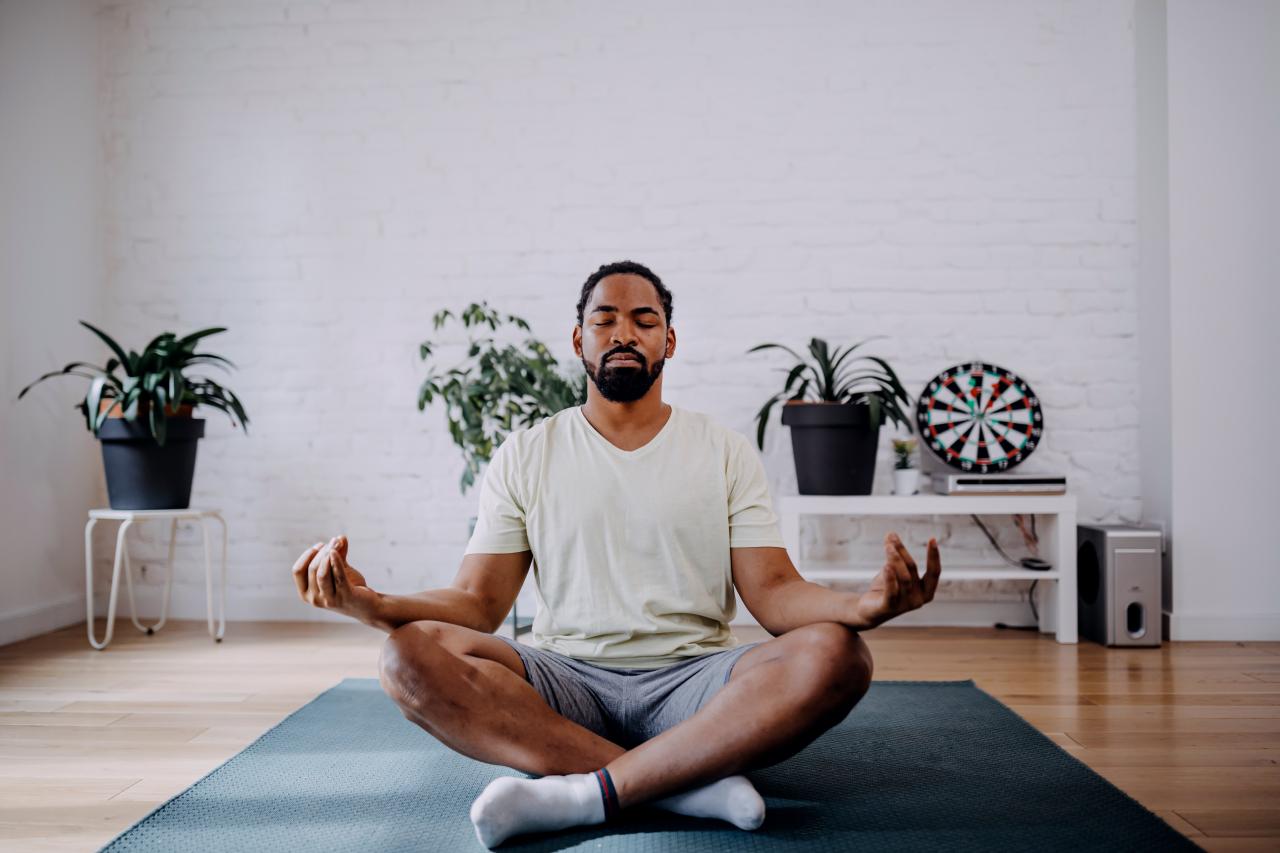
Mindfulness meditation offers seniors a gentle and effective way to enhance their mental clarity, emotional balance, and overall well-being. Integrating mindfulness into daily routines can foster a deeper sense of presence and reduce feelings of stress or anxiety, enriching everyday life with calmness and awareness.
Practicing mindfulness involves cultivating moment-to-moment awareness of one’s thoughts, feelings, sensations, and surroundings without judgment. For seniors, adopting simple, consistent mindfulness exercises can provide significant benefits, including improved concentration, better emotional regulation, and enhanced physical health. Below are practical exercises and ways to incorporate mindfulness into daily activities, making meditation accessible and enjoyable.
Step-by-step Guidance for Mindfulness Meditation Exercises
Engaging in mindfulness meditation requires a few basic steps that can be easily integrated into daily life. Here is a straightforward approach suitable for seniors:
- Find a comfortable, quiet space where you can sit or lie down without disturbances.
- Close your eyes gently or soften your gaze, focusing softly on a point in the room.
- Take several slow, deep breaths, inhaling through your nose and exhaling through your mouth or nose, whichever feels most natural.
- Bring your attention to your breath, noticing the sensation of air entering and leaving your nostrils or the rise and fall of your chest or abdomen.
- If your mind wanders, gently redirect your focus back to your breath without judgment or frustration.
- Continue this practice for 5 to 10 minutes, gradually increasing the duration as comfort and familiarity grow.
- Open your eyes slowly and reorient yourself to your surroundings, carrying a sense of calm into your day.
Integrating Mindfulness into Daily Activities
Incorporating mindfulness into routine activities can make the practice more natural and consistent. The key is to bring full attention and presence to each moment, transforming ordinary tasks into opportunities for mindfulness. Here are some effective ways to do so:
- Mindful Breathing: Pause throughout the day to take a few deep, conscious breaths, focusing solely on the sensation of breathing. This can be done while sitting, waiting, or during short breaks.
- Mindful Eating: During meals or snacks, eat slowly and attentively. Notice the texture, flavor, aroma, and appearance of each bite, savoring the experience without distraction.
- Mindful Walking: When taking a walk, pay attention to the sensation of your feet touching the ground, the sounds around you, and the movement of your body. Maintain awareness of your breathing and surroundings.
“Mindfulness is about being present in the moment, aware of where we are and what we’re doing, and not overly reactive or overwhelmed by what’s going on around us.”
Practicing these mindful activities regularly can help seniors develop a more centered and peaceful approach to everyday life, encouraging a sustained sense of well-being and resilience. Over time, these simple practices can significantly improve mental clarity, emotional stability, and physical relaxation, supporting a more vibrant and engaged lifestyle in later years.
Adapting Meditation for Physical Limitations
Meditation can be highly beneficial for seniors, promoting relaxation, mental clarity, and emotional well-being. However, age-related physical limitations such as mobility issues, respiratory challenges, or cardiovascular concerns may require modifications to standard meditation practices. Ensuring that these adaptations are safe, comfortable, and effective allows seniors to experience the full benefits of meditation without discomfort or risk. This section provides practical guidance on how to modify meditation techniques to accommodate various physical limitations while maintaining a sense of calm and mindfulness.To optimize meditation sessions for seniors with physical constraints, it is essential to tailor positions and techniques to individual needs.
Proper modifications can ease physical discomfort, prevent strain, and promote sustained practice. Additionally, implementing safety procedures ensures comfort and minimizes the risk of injury or distress during meditation.
Modifications to Meditation Positions for Mobility Issues
For seniors with limited mobility or joint problems, traditional cross-legged sitting or lying down may not be feasible or comfortable. Alternative positions that provide stability and ease of movement are vital to maintaining a consistent meditation routine.Some effective modifications include:
- Seated on a chair: Using a sturdy chair with back support, ensuring feet are flat on the floor, and hands resting comfortably on thighs or in the lap. The back should be straight but relaxed to promote alertness and prevent slumping.
- Supported sitting: Placing cushions or pillows behind the back or under the hips to elevate the pelvis and reduce strain, especially for those with hip or knee issues.
- Reclined position: Sitting in a recliner or lying on a bed with pillows for support, ensuring the head and neck are aligned comfortably. This is particularly suitable for seniors with severe mobility restrictions or fatigue.
- Use of assistive devices: Chairs with armrests or stability aids can provide additional support and prevent falls.
These modifications facilitate ease of posture adjustments, helping seniors maintain comfort and focus during meditation sessions.
Alternative Techniques for Respiratory or Cardiovascular Concerns
Seniors with respiratory issues, such as COPD or asthma, or cardiovascular conditions, like hypertension or arrhythmias, may need to adapt breathing techniques used in meditation to prevent discomfort or adverse effects.Key considerations include:
- Gentle breathing exercises: Focusing on slow, shallow breaths rather than deep inhalations minimizes strain. Techniques like diaphragmatic breathing can be modified to suit comfort levels, emphasizing gentle expansion without overexertion.
- Breath awareness without controlled breathing: Simply observing natural breathing patterns without attempting to alter them can be calming and safe, especially for those with compromised respiratory capacity.
- Using guided imagery or visualization: Concentrating on peaceful images or sensations can replace breath-focused meditation, reducing the emphasis on respiratory control.
- Monitoring and pacing: Encouraging seniors to take breaks if they feel dizzy or short of breath, and to meditate in intervals rather than prolonged sessions.
By adapting breathing techniques and emphasizing gentle, natural breathing, seniors can enjoy the mental benefits of meditation without compromising their health.
Ensuring Safety and Comfort During Meditation Sessions
Creating a safe and comfortable environment is crucial for seniors practicing meditation, particularly when physical limitations are present. This involves not only posture and technique modifications but also environmental considerations and ongoing monitoring.Practical procedures include:
- Choosing a safe space: Providing a quiet, clutter-free area with stable furniture, non-slip flooring, and proper lighting to prevent falls or accidents.
- Using supportive accessories: Cushions, bolsters, or blankets can enhance comfort and support proper posture, reducing physical discomfort during sessions.
- Monitoring physical responses: Encouraging seniors to listen to their bodies, pause or adjust practice if experiencing pain, dizziness, or breathlessness, and consult healthcare providers as needed.
- Maintaining hydration and ventilation: Ensuring the room is well-ventilated and that seniors are hydrated can prevent dehydration and overheating during longer sessions.
- Supervision and guidance: When appropriate, having a caregiver or instructor present to assist with positioning, provide reassurance, and address concerns enhances safety and confidence.
| Standard Meditation Method | Adapted Method for Seniors with Physical Limitations |
|---|---|
| Position: Sitting cross-legged on the floor or lying flat. Breathing: Deep diaphragmatic breathing with controlled inhales and exhales. Environment: Quiet, minimal distractions. |
Position: Seated upright in a supportive chair or reclined with cushions. Breathing: Gentle, shallow breaths, focusing on natural inhalation. Environment: Supportive, clutter-free space with safety considerations. |
By implementing these adaptations, seniors can enjoy the therapeutic and calming benefits of meditation while respecting their physical limitations and ensuring their safety and comfort throughout each session.
Developing a Meditation Routine and Tracking Progress
Establishing a consistent meditation routine is a vital step for seniors seeking to experience the full benefits of mindfulness and relaxation. A well-planned routine helps create a sense of structure, encourages commitment, and fosters gradual improvement over time. Tracking progress not only provides motivation but also offers valuable insights into personal growth and preferences, allowing for thoughtful adjustments to enhance the meditation experience.Creating a sustainable meditation routine involves balancing consistency with flexibility, considering individual health, schedule, and comfort levels.
Regular practice can lead to improved mental clarity, reduced stress, and overall well-being. Incorporating tracking methods helps seniors stay motivated, recognize milestones, and adapt their practice to evolving needs or preferences.
Strategies for Building and Maintaining a Regular Meditation Habit
Maintaining a regular meditation schedule requires intentional planning and a supportive environment. Encouraging seniors to choose specific times of day—such as mornings to start the day peacefully or evenings to unwind—can foster consistency. Setting reminders through alarms, calendar notifications, or habit-tracking apps can serve as gentle prompts to stick with the routine.Creating a dedicated meditation space that is quiet, comfortable, and free from distractions enhances the likelihood of regular practice.
Incorporating meditation into existing daily habits, such as after brushing teeth or before bedtime, can make the routine easier to maintain. Gradually increasing the duration of sessions, starting with five to ten minutes and extending as comfort grows, helps prevent overwhelm and sustains engagement.To foster accountability, seniors may consider joining group sessions, participating in community classes, or engaging with a meditation buddy.
These social elements can boost motivation and provide encouragement during challenging days.
Methods for Seniors to Record Their Meditation Experiences
Tracking meditation experiences allows seniors to reflect on their journey, observe progress, and identify patterns or preferences. Various methods can be employed, depending on comfort levels and available tools:
- Journaling: Maintaining a dedicated meditation journal involves writing brief entries after each session, noting feelings, physical sensations, or thoughts experienced. This practice fosters mindful reflection and can reveal personal triggers or benefits.
- Checklists and Logs: Using printed or digital logs, seniors can mark completed sessions, note duration, and describe overall feelings. These simple tools make tracking straightforward and easy to review over time.
- Mobile Apps: Several meditation apps include built-in tracking features, offering visual progress charts, reminders, and session notes. These apps often provide motivational notifications and community support.
- Visual Charts: Creating weekly or monthly charts with color-coded symbols or stickers can provide a visual representation of consistency and progress, making the process engaging and encouraging.
Encouraging regular reflection on recorded experiences helps seniors recognize benefits such as stress reduction, improved sleep, or increased focus. It also offers opportunities to adjust techniques, durations, or times of day to better suit their evolving needs.
Modifying Routines Based on Progress and Preferences
A flexible approach to meditation routines ensures they remain effective and enjoyable over time. As seniors progress or encounter changing health conditions, routine adjustments become necessary:
- Adjust session lengths, starting with brief periods and gradually increasing as comfort and stamina improve.
- Incorporate new techniques such as guided imagery, body scans, or breathing exercises to keep the practice engaging.
- Change the time of day for meditation if mornings become busy or evenings become more relaxing, ensuring consistency without added stress.
- Alter the environment—adding calming music, scents, or different seating arrangements—to refresh the experience.
- Address physical limitations by choosing seated or lying positions, or by using supportive props to ensure comfort and accessibility.
Monitoring recorded experiences helps identify what resonates most, allowing seniors to tailor their routines for greater enjoyment and effectiveness. Flexibility in practice fosters long-term adherence and enhances the positive impact of meditation on overall health.
Sample Weekly Meditation Schedule for Seniors
Organizing a weekly plan provides a clear framework for establishing consistency while accommodating personal preferences and energy levels.
- Monday: 10-minute mindful breathing session in the morning to set a calm tone for the day.
- Tuesday: 15-minute body scan meditation in the afternoon, focusing on physical sensations and relaxation.
- Wednesday: Guided meditation session (using an app or recording) for 10 minutes before bedtime.
- Thursday: Short 10-minute gratitude meditation during mid-morning to promote positive mood.
- Friday: 20-minute gentle visualization or imagery meditation, ideally in a quiet, comfortable space.
- Saturday: Rest day or optional brief relaxation practice such as deep breathing or stretching.
- Sunday: Extended 15-20 minute meditation integrating mindfulness techniques, reflecting on the week.
Adapting this schedule based on personal progress and daily preferences helps maintain engagement and ensures meditation remains a beneficial and enjoyable part of daily life for seniors.
Additional Resources and Support
Engaging with supplementary resources and community support systems can significantly enhance a senior’s meditation practice. These tools provide encouragement, guidance, and opportunities for social connection, which are essential for maintaining motivation and overcoming challenges associated with meditation. Accessible resources tailored specifically for seniors can foster a more comfortable and rewarding meditation experience, encouraging consistency and long-term engagement.
Utilizing community groups, online classes, and local workshops dedicated to seniors allows individuals to learn, share, and grow within supportive environments. Caregivers and family members play a vital role in facilitating access to these resources, offering encouragement and practical assistance. Additionally, understanding common obstacles such as physical discomfort, emotional barriers, or motivational lapses helps in developing strategies to stay committed and inspired.
Modern meditation tools and applications designed for older adults further support these efforts by providing user-friendly interfaces, guided sessions, and tailored practices suited to varying physical and cognitive abilities.
Community Groups, Online Classes, and Local Workshops
Connecting with community groups, online classes, and local workshops can create a sense of belonging and motivate seniors to maintain their meditation routines. These programs often cater specifically to the needs of older adults, addressing mobility limitations and cognitive considerations, thereby making meditation more accessible and enjoyable.
- Senior centers and community centers: Many local centers offer meditation classes or wellness programs designed for seniors, providing a friendly environment for practice and social interaction.
- Online platforms and virtual classes: Websites like SilverSneakers, Senior Planet, and AARP offer virtual meditation courses led by experienced instructors, allowing seniors to participate from the comfort of their homes.
- Local workshops and retreats: Health clinics and wellness centers often organize workshops or retreats focused on mindfulness and meditation, offering immersive experiences that deepen understanding and practice.
Participation in these groups can foster accountability, provide social motivation, and introduce seniors to new techniques or perspectives that enrich their meditation journey.
Supporting Seniors’ Meditation Practice: Tips for Family Members and Caregivers
Family members and caregivers are instrumental in encouraging and sustaining meditation routines for seniors. Their support can range from practical assistance to moral encouragement, creating a nurturing environment that promotes consistency and confidence.
- Establish a dedicated quiet space: Helping seniors set up a comfortable, distraction-free area can make meditation more inviting and effective.
- Participate together: Engaging in meditation sessions side by side can foster motivation and demonstrate the benefits firsthand.
- Encourage routine and reminders: Gently reminding seniors of their scheduled meditation times and integrating it into daily routines helps reinforce practice consistency.
- Celebrate progress: Acknowledging milestones and improvements boosts confidence and fosters a positive attitude towards meditation.
Patience, gentle encouragement, and understanding of individual needs create a supportive atmosphere that nurtures ongoing practice and emotional well-being.
Addressing Common Obstacles and Maintaining Motivation
Many seniors face obstacles such as physical discomfort, emotional resistance, or motivational lapses during their meditation journey. Recognizing and addressing these challenges is essential for sustaining practice and deriving benefits from meditation.
- Physical limitations: Adjusting postures, using supportive cushions, or practicing seated meditation can alleviate discomfort. Gentle stretching before meditation can also prepare the body.
- Emotional resistance: Introducing mindful acceptance and compassion techniques helps seniors accept their feelings, reducing frustration or impatience.
- Lack of motivation: Setting small, achievable goals, celebrating even brief sessions, and incorporating variety can reignite interest and commitment.
- Managing distractions: Creating a consistent routine and a quiet environment minimizes interruptions, making it easier to focus.
Encouraging a compassionate attitude towards oneself and recognizing progress, no matter how small, nurtures perseverance and keeps the practice engaging and meaningful.
Apps and Tools Designed for Older Adults
Modern technology offers various meditation applications and tools tailored to the needs of seniors, providing accessible, guided, and customizable meditation experiences. These resources often feature larger fonts, simplified interfaces, and gentle voice guidance to accommodate sensory and cognitive considerations.
| App/Tool | Description | Key Features |
|---|---|---|
| Headspace | A user-friendly app offering guided meditations, sleep aids, and mindfulness exercises suitable for all ages, including seniors. | Simple interface, themed sessions, progress tracking, and gentle voice guidance. |
| Calm | Provides guided meditations, breathing exercises, and sleep stories tailored to reduce stress and promote relaxation. | Customizable session lengths, visual aids, and soothing soundscapes. |
| MyLife Meditation (formerly Stop, Breathe & Think) | Offers personalized meditation recommendations based on mood assessments, making it adaptable for seniors. | Accessible interface, mood tracking, and diverse meditation options. |
| Insight Timer | A free app with a vast library of guided meditations, music, and talks by mindfulness experts, suitable for beginners and experienced practitioners alike. | Large community, customizable timers, and a wide variety of guided sessions. |
These tools can serve as valuable companions in a senior’s meditation journey, providing structure, guidance, and motivation at their fingertips. Selecting an app that aligns with individual preferences and technological comfort levels enhances the likelihood of establishing a sustainable practice.
Final Summary
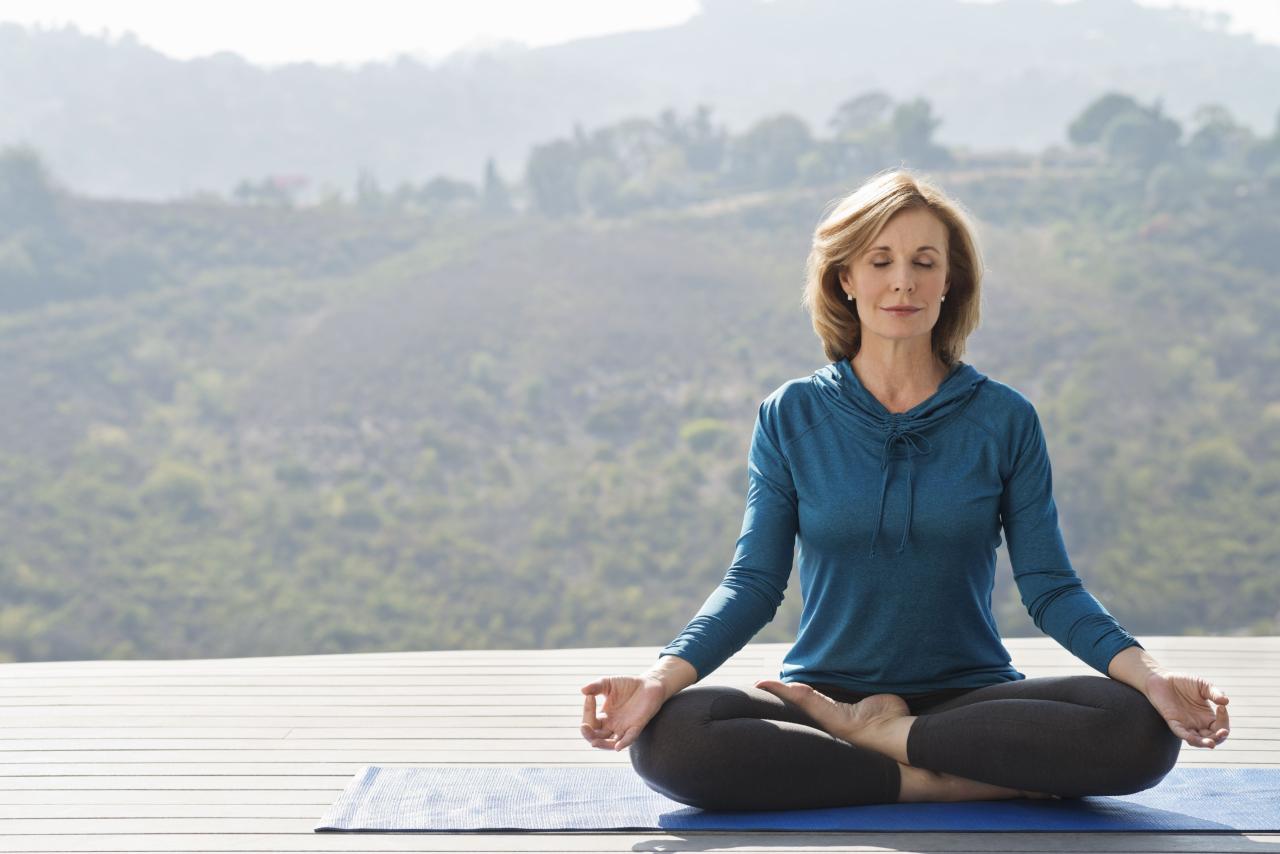
In conclusion, embracing meditation as a regular practice can significantly contribute to seniors’ mental, emotional, and physical health, fostering a sense of peace and vitality. With thoughtful adaptations and supportive resources, seniors can enjoy the profound benefits of meditation and improve their overall wellbeing in a safe and accessible manner.