Learning how to meditate for transcendence opens a pathway to exploring higher states of consciousness and spiritual awakening. This practice, rooted in diverse cultural traditions, guides practitioners beyond ordinary awareness toward profound inner experiences. Engaging in transcendent meditation can lead to enhanced mental clarity, emotional stability, and a deeper sense of connection with the universe.
Understanding the fundamentals of transcendent meditation involves preparing the optimal environment, mastering specific techniques, and overcoming common challenges. Whether you are a beginner or an experienced meditator, this approach offers valuable insights into deepening your practice and sustaining elevated states of awareness.
Introduction to Meditation for Transcendence
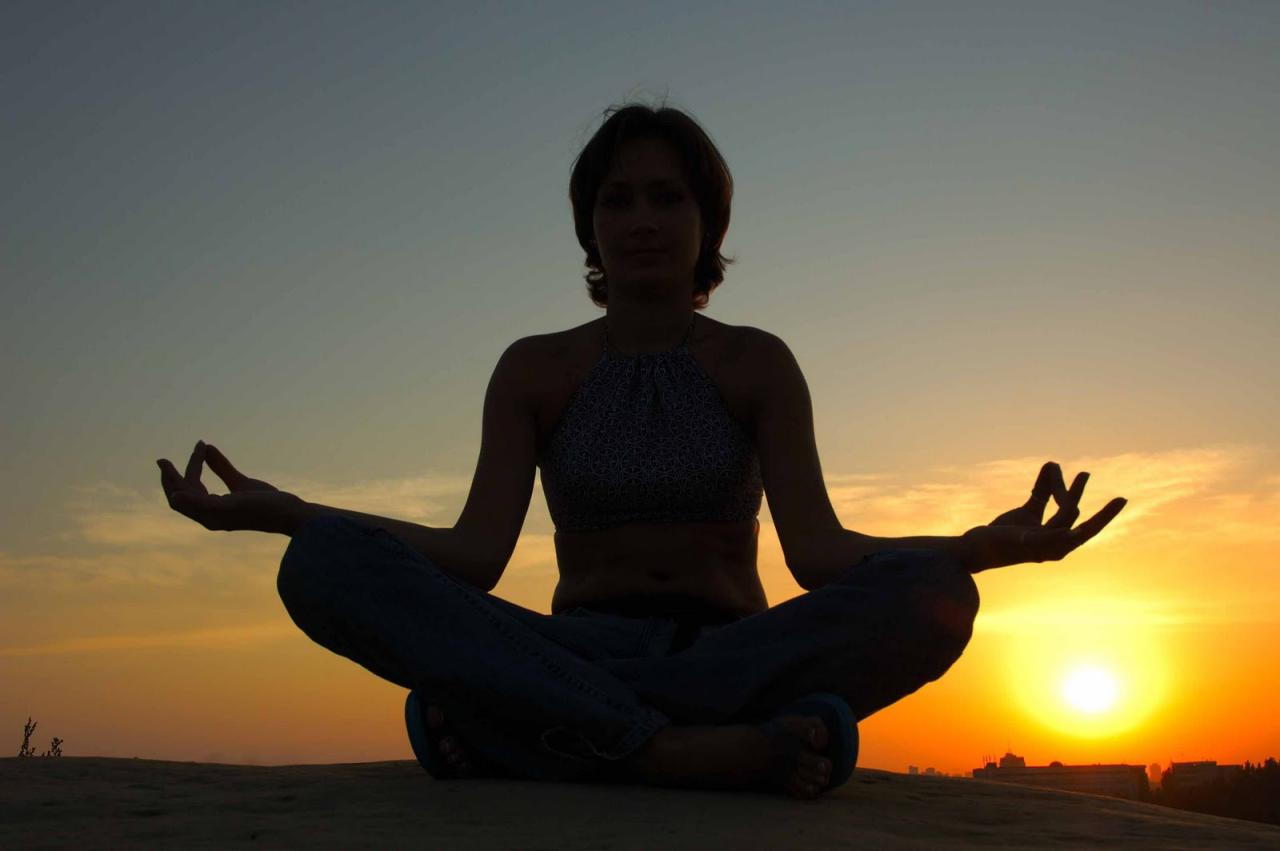
Transcendence in spiritual practices refers to the experience of rising above ordinary consciousness, connecting with a higher state of awareness, or realizing a reality beyond the material world. This state often involves a sense of unity, boundless peace, and profound insight into the nature of existence. Meditation serves as a foundational tool in facilitating this journey, allowing practitioners to quiet the mind, transcend superficial thoughts, and access deeper layers of consciousness.
Historically, meditation techniques aimed at achieving transcendence have deep roots across diverse cultures and spiritual traditions. From the contemplative practices of ancient India to the mystical traditions of Buddhism, Taoism, and Christianity, these practices have been cultivated over millennia. These cultures have developed sophisticated methods—such as mantra repetition, breath control, and visualization—to help individuals transcend their everyday awareness and experience a state of spiritual liberation or enlightenment.
Origins and Cultural Significance of Transcendental Meditation
Many meditation techniques focused on transcendence originated in ancient civilizations that sought to understand the nature of consciousness and the divine. The Vedic traditions of India, dating back over 3,000 years, introduced practices such as mantra chanting and meditation to attain higher states of being. Similarly, Buddhist meditation, with its emphasis on mindfulness and insight, was developed around 500 BCE to transcend suffering and reach Nirvana.
In China, Taoist meditation sought harmony with the Tao, the fundamental principle of the universe, fostering transcendental insights into the interconnectedness of all things.
Throughout history, these practices were often reserved for spiritual leaders, monks, and mystics, but their core principles have been adapted into accessible methods for modern practitioners. The underlying goal remains consistent: to move beyond the ego-driven mind and experience a state of pure awareness or unity with the universe.
Benefits of Transcendence through Meditation
Engaging in meditation aimed at transcendence offers numerous psychological, emotional, and spiritual benefits. These benefits extend beyond momentary relaxation, fostering lasting positive changes in one’s outlook and well-being.
- Enhanced Mental Clarity and Focus: Transcendental meditation helps quiet mental chatter, leading to improved concentration and decision-making skills.
- Deepened Sense of Inner Peace: Practitioners often report experiencing profound calmness that persists beyond meditation sessions, reducing stress and anxiety levels.
- Expanded Self-Awareness: Meditation facilitates a clearer understanding of one’s true nature, fostering self-acceptance and compassion.
- Spiritual Growth and Enlightenment: Regular transcendental practices can lead to moments of spiritual insight, a sense of unity with all existence, and a heightened sense of purpose.
- Physical Health Benefits: The relaxation response triggered during meditation can lower blood pressure, improve immune function, and enhance overall vitality.
“Transcendence through meditation is not merely an escape from the material world but a profound awakening to the interconnected reality of existence.”
Preparing for Transcendent Meditation
Embarking on a meditation session aimed at achieving transcendence requires careful preparation to foster an environment conducive to deep mental focus and spiritual flow. Proper physical, mental, and emotional readiness plays a crucial role in enhancing the effectiveness of your practice. By establishing an ideal setting and cultivating the right mindset, you can facilitate a smoother transition into states of higher consciousness and profound inner peace.Creating the optimal environment and physical setup involves designing a space that minimizes distractions and promotes tranquility.
Additionally, selecting appropriate attire and accessories can significantly influence your comfort and concentration. Equally important are the mental and emotional preparations, which set the tone and intention for your meditation session, allowing you to approach the practice with openness and serenity.
Creating an Ideal Environment
The surroundings where you meditate profoundly impact your ability to transcend ordinary awareness. An environment that embodies calm and serenity encourages the mind to settle more quickly into meditative states. Consider the following guidelines to establish such a space:
- Choose a quiet, peaceful location away from noise and interruptions, such as a dedicated corner in a room, a garden, or a secluded outdoor area.
- Ensure the space is well-ventilated with natural light or soft, ambient lighting to avoid harsh glare or darkness that might distract or fatigue the eyes.
- Minimize clutter and visual distractions by organizing the space with simple decor, soothing colors, and minimal furnishings.
- Incorporate elements that evoke tranquility, such as plants, calming artwork, or gentle sounds like flowing water or soft music, if preferred.
The environment should evoke a sense of safety and calm, enabling you to let go of external worries and focus inwardly on your meditative journey.
Physical Setup and Accessories
An appropriate physical setup supports sustained comfort and stability during transcendent meditation. The right accessories and posture are essential to prevent discomfort and maintain alertness as you enter deep states of consciousness.To optimize physical comfort:
- Use a meditation cushion, bench, or a firm but comfortable chair that allows your spine to remain upright without strain.
- Ensure your feet are flat on the ground if seated on a chair, or cross-legged on a mat if sitting on the floor, maintaining a balanced and relaxed posture.
- Place a small blanket or shawl nearby to cover your shoulders or legs for warmth, especially in cooler environments.
- Consider using a meditation mat or pad to provide cushioning and support for prolonged sessions.
Accessories such as a timer or gentle bells can help structure your practice without causing interruptions. Use incense, essential oils, or candles cautiously, ensuring they do not become sources of distraction or discomfort.
Selecting Meditation Attire and Accessories
The choice of attire and accessories influences your physical comfort and mental focus during meditation. Comfortable clothing that does not constrict movement or breathing is vital for maintaining a relaxed state.Key considerations include:
- Wear loose, breathable garments made from natural fibers like cotton, linen, or silk to promote comfort and ease of movement.
- Avoid tight or restrictive clothing that may cause discomfort or distract your attention from the practice.
- Opt for layers, as temperature fluctuations can affect relaxation; a light sweater or shawl can be useful.
- Use accessories like a meditation mala or prayer beads if they help you anchor your focus or set intentions, ensuring they are comfortable and non-intrusive.
Ensure that your attire and accessories enable you to sit comfortably for the desired duration without physical discomfort, which can hinder mental tranquility.
Mental and Emotional Preparations
A clear and tranquil mind is fundamental for transcendent meditation. Mental and emotional readiness involves cultivating a calm, receptive state before beginning your practice.To prepare effectively:
- Practice gentle breathing exercises or mindfulness techniques to settle the mind and release immediate tensions.
- Avoid engaging in stressful or stimulating activities immediately before meditating; instead, choose calming routines such as reading, gentle walking, or silence.
- Set a clear intention for your session, such as seeking inner peace, spiritual insight, or connection with higher consciousness.
- Adopt a positive attitude, releasing expectations or judgments about your experience, and welcoming whatever arises with acceptance.
- Maintain a respectful attitude towards your practice, recognizing its sacredness and your commitment to personal growth.
Keeping a journal of your experiences and reflections can also enhance your mental preparedness by fostering awareness and encouraging a deeper connection with your meditative journey.
Techniques and Methods for Achieving Transcendence

Attaining transcendence through meditation involves engaging with various techniques designed to quiet the mind, deepen concentration, and elevate consciousness beyond ordinary perception. Different practices resonate with individuals based on their preferences, temperament, and spiritual inclinations, ultimately guiding them toward altered states of awareness that foster profound inner peace and heightened spiritual insight.
Implementing these methods requires patience, consistency, and an understanding of their unique procedural steps. By mastering these techniques, practitioners can effectively navigate toward transcendence, experiencing states of unity, bliss, and expanded consciousness that transcend the limitations of the physical realm.
Mantra Meditation
Mantra meditation involves the silent or aloud repetition of a specific sound, word, or phrase that holds spiritual significance. This practice helps to anchor the mind, reduce mental chatter, and facilitate a deep state of focus conducive to transcendence. The vibrational quality of the mantra resonates with subtle energies within the practitioner, aiding in the dissolution of mental boundaries.
- Choose a meaningful mantra, such as “Om,” “So Hum,” or a personal affirmation.
- Find a comfortable seated position ensuring the spine is straight to allow free flow of energy.
- Begin by taking slow, deep breaths to settle into relaxation.
- Start repeating the mantra silently or aloud, maintaining awareness of its sound and vibration.
- Focus entirely on the mantra, gently bringing the mind back if it wanders to other thoughts.
- Continue this practice for 10–20 minutes, gradually increasing duration with experience.
Breath-Focused Meditation
Breath-focused meditation centers on paying close attention to the natural flow of breathing. This method cultivates mindfulness and deep concentration, helping to quiet mental disturbances and access altered states of consciousness. By observing breath without manipulation, practitioners develop a heightened awareness of the present moment, which supports transcendental experiences.
- Adopt a comfortable seated posture with closed eyes or gentle gaze.
- Begin to observe your breath as it naturally enters and leaves your nostrils or chest.
- Avoid controlling or altering the breath; simply notice its rhythm and depth.
- If the mind drifts, gently redirect attention back to the breath without judgment.
- Maintain this awareness for 15–30 minutes, gradually extending as proficiency improves.
- Incorporate pauses between inhalation and exhalation to deepen concentration if desired.
Guided Visualization
Guided visualization involves mentally imagining a peaceful scene or a spiritual journey, often led by a recorded meditation or a teacher. This technique helps access subconscious layers and fosters a sense of unity with higher consciousness. The vividness of visualization enhances focus and can accelerate the transition into transcendental states.
- Find a quiet environment free from distractions.
- Sit comfortably and close your eyes, taking a few deep breaths to relax.
- Follow the verbal or mental instructions to imagine specific images, such as a serene lake, a luminous light, or a spiritual realm.
- Engage all senses by imagining sounds, smells, textures, and feelings associated with the scene.
- Maintain this visualization for 20–30 minutes, allowing immersion to deepen.
- Gradually bring awareness back to the physical body and surroundings before concluding the session.
Comparison of Techniques for Achieving Transcendence
| Technique | Procedural Steps | Intended Outcomes |
|---|---|---|
| Mantra Meditation |
|
Deep mental focus, dissolution of mental boundaries, access to higher consciousness, feelings of unity and bliss. |
| Breath-Focused Meditation |
|
Enhanced mindfulness, deep concentration, mental stillness, and the gateway to altered states of awareness. |
| Guided Visualization |
|
Access to subconscious insights, vivid experiences of higher realms, and accelerated transcendental states through immersive imagery. |
Step-by-Step Guided Transcendence Meditation
This structured meditation session provides a clear pathway toward transcending ordinary consciousness. It is designed to help practitioners deepen their experience, manage distractions effectively, and utilize sensory aids such as visualizations and sound to facilitate a profound state of transcendence. Following this step-by-step guide ensures a systematic approach, making the journey into higher states of awareness accessible and manageable.
Achieving transcendence involves gradually shifting attention away from the superficial layers of thought and sensory input to reach an inner state beyond ordinary perception.
Preparing the Environment and Mindset
Creating an ideal environment is foundational for effective transcendence meditation. This includes choosing a quiet, comfortable space free from interruptions, and establishing a mental readiness that encourages openness and relaxation. Ensure that the area is dimly lit or softly illuminated, and consider using calming scents or gentle background sounds to enhance focus.
Prior to beginning, adopt a mindset of surrender and curiosity, free from expectations of specific outcomes. Grounding oneself through a few minutes of gentle breathing or mindfulness can serve as an effective transition into the meditation session.
Initial Relaxation and Focus
Begin the session by adopting a comfortable seated or lying position, with the spine aligned to promote alertness and relaxation. Close your eyes gently, and focus on your breath as a primary anchor. Inhale slowly through the nose, feeling the abdomen rise, then exhale smoothly, noticing the release of tension.
This initial phase aims to quiet the mind and body, preparing for deeper states of consciousness. During this process, it is natural for thoughts to arise; acknowledge them without judgment and gently redirect attention back to the breath or chosen point of focus.
Guided Focus Toward Transcendental States
Once relaxed, shift your attention inward, gradually reducing focus on external sensations. Visualization techniques can be instrumental here. For example, imagine a luminous orb or a calming natural scene, allowing your mind to immerse itself without attachment to specific details.
Incorporate sound as a facilitative tool—such as binaural beats, sacred chants, or ambient tones—that aligns with your intention for transcendence. Focus on the soundscape, letting it guide your consciousness beyond ordinary perception. Maintain a gentle awareness of these sensory inputs without becoming fixated, allowing your consciousness to expand naturally.
Managing Distractions and Deepening the State
Distractions are an inevitable part of meditation; the key is to observe them without engagement. When intrusive thoughts, sounds, or sensations arise, acknowledge their presence and gently return your focus to your visualization or soundscape. This practice enhances mental resilience and concentration.
To deepen the meditative state, employ progressive mental techniques such as visualizing layers of consciousness peeling away like delicate veils, or imagining yourself floating beyond physical boundaries toward an infinite space. Breathing can be slowed and deepened intentionally, fostering a sense of spaciousness and detachment from the ego or personal identity.
Utilizing Visualizations and Sound for Transcendence
Visualizations serve as powerful tools in guiding consciousness beyond the ordinary. Effective visualizations involve imagining luminous geometric patterns, radiant light expanding throughout your body, or a portal opening to another dimension. These mental images help shift awareness from the physical to the transcendental realm.
Sound, whether natural or specially crafted, acts as an auditory portal to higher consciousness. Sacred chants, drumming, or ambient tones can anchor your focus and facilitate a sustained meditative state. Hearing these sounds as vibrations permeating your entire being helps dissolve mental boundaries, fostering a sense of unity and transcendence.
Overcoming Common Challenges in Transcendence Meditation
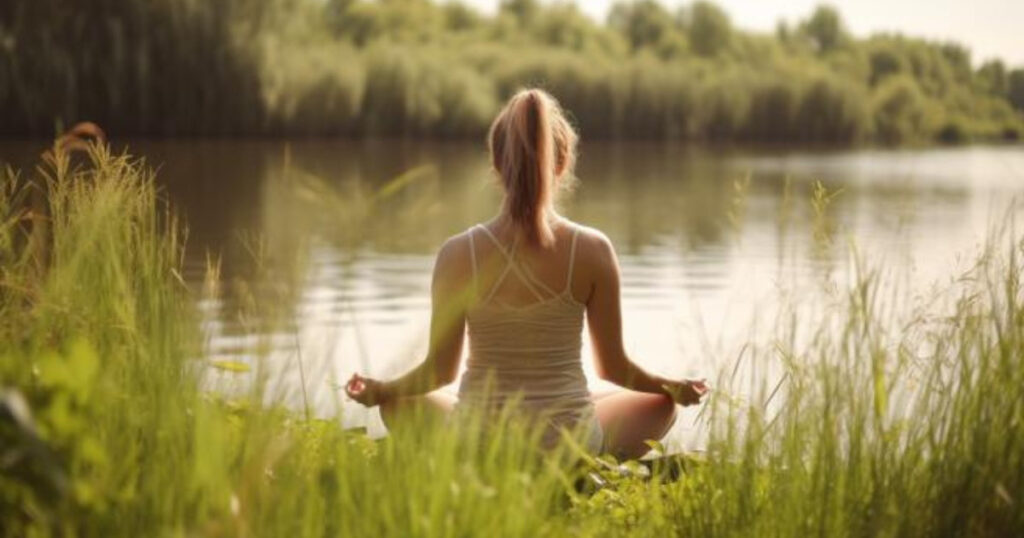
Engaging in transcendence meditation can be a profoundly rewarding practice, yet practitioners often encounter various mental and physical obstacles along their journey. Recognizing and addressing these challenges is crucial for deepening your experience and maintaining consistency in your practice. This section explores typical difficulties faced during transcendent meditation and offers effective strategies for overcoming them, ensuring a more peaceful and focused meditation session.Meditation for transcendence often involves venturing beyond ordinary consciousness, which can provoke a range of mental distractions and physical tensions.
These obstacles are natural parts of the process, and with appropriate techniques, they can be managed effectively. Developing awareness of these challenges and implementing tailored solutions can significantly enhance your meditative progress and foster a sense of inner calm and stability.
Mental Distractions and Overthinking
Distractions such as wandering thoughts, mental chatter, or anxiety about progress are common hurdles during transcendence meditation. These mental interruptions can fragment focus and make it difficult to reach a deeper state of consciousness.To address this, it is beneficial to cultivate a gentle mental attitude that encourages observation rather than suppression of thoughts. Techniques such as mindful acknowledgment—simply noticing thoughts without attachment—and gently redirecting attention back to the chosen meditative point can reduce mental noise.
Regular practice of mindfulness outside meditation sessions also strengthens your ability to maintain focus during transcendence practices.
Physical Tension and Restlessness
Physical discomfort, tension, or restlessness can hinder your ability to relax and settle into a meditative state. Factors such as improper posture, environmental disturbances, or underlying stress contribute to these issues.Creating a comfortable environment is essential. Use supportive cushions, maintain a relaxed but upright posture, and ensure the surroundings are quiet and free from interruptions. Incorporating gentle stretching or body scan techniques before meditation can release accumulated tension.
If restlessness persists, consider shorter, more frequent sessions to gradually build tolerance for sustained stillness.
Calming the Mind and Releasing Tension
Achieving a transcendent state requires a calm mind and a relaxed body. When mental agitation or physical tension arises, specific methods can help restore tranquility.Practice deep, diaphragmatic breathing—inhale slowly through the nose, allowing the abdomen to rise, then exhale gently through the mouth or nose. This activates the parasympathetic nervous system, promoting relaxation. Utilizing visualization techniques, such as imagining a peaceful natural scene, can further calm the mind.
Progressive muscle relaxation, where you systematically tense and release muscle groups, also effectively reduces physical tension, creating an optimal state for deep meditation.
Maintaining Focus in Different Environments
Environmental factors such as noise, light, or unfamiliar surroundings can challenge your concentration. Adapting your techniques to various settings ensures consistency and effectiveness.Using earplugs or white noise machines can diminish auditory distractions. Eye masks or dim lighting help create a tranquil atmosphere in bright environments. When practicing in unfamiliar or busy locations, anchoring your focus on a specific sensation—like the breath or a mantra—can strengthen your concentration.
Establishing a routine and familiar cues, such as specific postures or affirmations, helps signal your mind to enter a meditative state regardless of external circumstances.
Success in transcendence meditation involves patience, adaptability, and gentle persistence. Recognizing obstacles as part of the journey allows you to develop personalized strategies that support your growth.
Enhancing and Deepening Transcendence
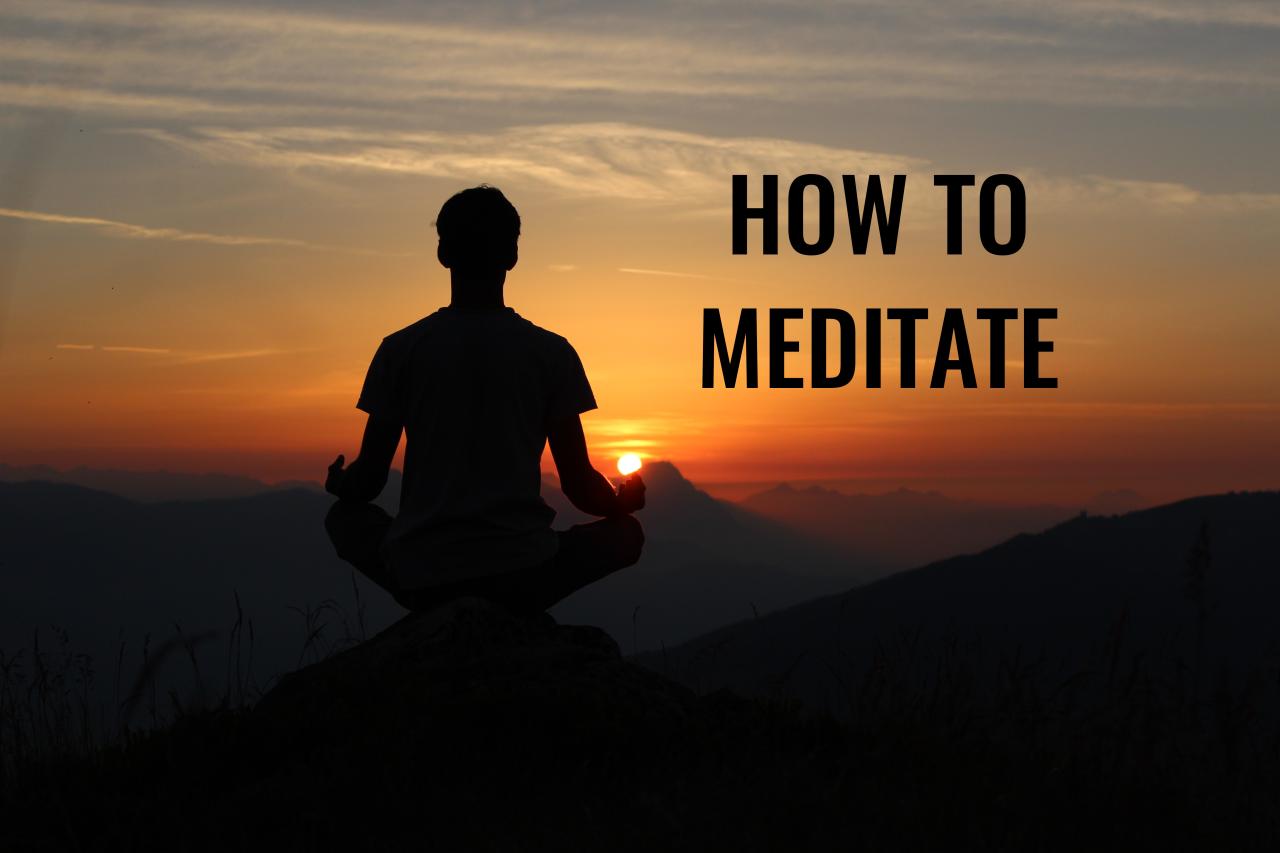
Achieving transient states of transcendence is a profound milestone in meditation practice. To sustain and deepen these elevated experiences, practitioners can incorporate advanced techniques that refine their awareness and connection to subtle energies. The refinement of intention, heightened energy awareness, and utilization of subtle body techniques serve as vital tools to prolong and enrich transcendent states, enabling a more profound experience of higher consciousness and inner peace.Developing these skills requires dedicated practice and a nuanced understanding of one’s energetic and mental landscape.
By integrating these practices into daily routines, practitioners foster a continuous state of transcendence that transcends fleeting moments, fostering lasting spiritual growth and insight.
Advanced Practices and Supplementary Techniques
Incorporating advanced practices enhances the depth of transcendence by expanding the practitioner’s capacity for subtle perception and energetic influence. These techniques often involve a combination of mental focus, energetic modulation, and awareness of the body’s subtle systems.
- Light Visualization and Inner Sun Meditation: Visualize a radiant light or cosmic sun within the heart or crown chakra, illuminating inner spaces and dissolving mental clutter. This visualization helps to deepen the connection with higher consciousness and facilitates the expansion of awareness beyond physical limitations.
- Chakra and Energy Center Activation: Focused attention on specific chakras or energy centers can stimulate energetic flow, awakening dormant potentials. Techniques involve imagining vibrant colors or geometric patterns within these centers, promoting energetic alignment and deeper transcendence.
- Mantra and Sound Vibration Practices: Repetition of powerful mantras or listening to specific frequencies (such as binaural beats or solfeggio tones) can entrain the mind into states of profound stillness. Sound vibrations act directly on the subtle body, enhancing the resonance of higher states of consciousness.
- Breathing with Energy Awareness: Techniques such as Pranayama, combined with conscious awareness of internal energy flow, help cultivate a sustained energetic presence. Deep, slow breaths synchronized with mental focus on energy centers deepen the meditator’s access to transcendental states.
The Role of Intention, Energy Awareness, and Subtle Body Techniques
Intentionality acts as a guiding force that shapes the quality and duration of transcendent experiences. Clear, focused intention directs the subconscious mind and energetic systems toward higher states, reinforcing the meditative process and encouraging prolonged transcendence. When combined with heightened energy awareness, practitioners become more attuned to the subtle shifts within their energetic field, enabling them to modulate and sustain these states more effectively.Subtle body techniques, such as working with the chakras, nadis (energy channels), and aura, serve as practical tools to extend transcendence.
These methods involve gentle visualization, breath-control, and energy manipulation that harmonize physical, mental, and energetic layers, creating a seamless flow into higher consciousness. Regular practice of these techniques enhances the practitioner’s ability to maintain transcendental states beyond meditation sessions, integrating them into daily life.
Exercises and Routines for Sustained Transcendental Experiences
To embed transcendence into everyday life, practitioners should adopt specific routines and exercises designed to deepen and sustain their experiences. These routines cultivate energetic resilience, mental clarity, and inner stability.
- Morning Energy Alignment: Begin each day with a 10-minute energy visualization, imagining a luminous sphere of light expanding from the heart center, enveloping the body with warmth and luminosity. Focus on intentions for spiritual growth throughout the day.
- Midday Chakra Recalibration: Spend 5-10 minutes actively sensing and balancing the chakras, using visualization or gentle hand placements over key areas such as the third eye, crown, or heart. This practice sustains energetic flow and mental clarity.
- Evening Reflection and Energy Reinforcement: Conclude the day with gratitude and a brief meditation on the interconnectedness of all beings. Visualize the energy from your practice radiating outward, fostering a sense of unity and ongoing transcendence.
- Weekly Deepening Sessions: Dedicate extended periods (30-60 minutes) to advanced practices such as light visualization, sound vibration, or subtle body work, focusing on deepening the state of consciousness and integrating insights gained during daily routines.
- Integrative Movement and Breathwork: Incorporate gentle yoga, qi gong, or tai chi movements combined with conscious breathing to harmonize physical and energetic bodies, reinforcing the effects of transcendence in everyday activities.
“Consistent and mindful integration of advanced techniques transforms fleeting transcendence into a sustained state of higher consciousness, enriching both spiritual and daily experiences.”
Documenting and Reflecting on Transcendence Experiences
Understanding and capturing your transcendence experiences during meditation is a vital step in deepening your spiritual journey. Proper documentation not only helps in recognizing patterns and progress but also fosters a meaningful connection with your inner insights. Reflecting on these experiences allows for clearer comprehension of the states achieved and guides further practice towards greater transcendence.Meticulous recording of your meditation sessions can reveal subtle shifts in consciousness, recurring visions, sensations, or emotional responses that might otherwise go unnoticed.
By systematically reflecting on these insights, practitioners can identify triggers, refine techniques, and enhance their overall meditative experience. Sharing these reflections within a supportive community or with experienced mentors fosters growth, accountability, and new perspectives, enriching your path toward transcendence.
Structured Journaling for Transcendence Experiences
Maintaining a dedicated journal to capture insights, sensations, visions, and emotional states encountered during meditation sessions provides a valuable record of your spiritual progression. A well-organized journal enables you to observe patterns over time, recognize what techniques evoke deep states, and understand the nuances of your experiences.When journaling, it is helpful to include the following elements:
- Date and Time: Document when the session took place to track consistency and identify temporal influences.
- Duration: Note the length of each session, as longer or shorter periods may affect the depth of transcendence.
- State Achieved: Describe the depth or quality of the transcendence experienced, such as feelings of unity, bliss, or stillness.
- Sensations and Visions: Record physical sensations, visual images, or internal visions with as much detail as possible, including colors, shapes, or movements.
- Emotional and Mental Responses: Note feelings, thoughts, or insights that arose during or after the session.
- Reflections and Questions: Write about any questions or observations that could refine future practices.
To facilitate clarity, include direct quotes or vivid descriptions when possible, as these can deepen your understanding of your inner states.
Designing a Meditation Session Tracking Table
Tracking your progress through a structured table allows for easy visualization of patterns, improvements, and challenges over time. This approach provides a clear overview of your journey toward transcendence, highlighting correlations between techniques and experiences.Below is a suggested template for a meditation session tracker:
| Date | Duration (minutes) | Technique Used | State Achieved | Sensations and Visions | Emotional Response | Notes/Reflections |
|---|---|---|---|---|---|---|
| 2024-04-10 | 30 | Mindfulness Breathing | Profound Stillness | Glowing light, gentle waves | Calm, connected | Felt more relaxed than usual; intention to increase duration |
| 2024-04-11 | 45 | Transcendental Mantra | Deep bliss and unity | Vivid visions of an expansive space | Joyful, expansive | Technique effective; need to maintain focus longer |
Sharing Experiences with Spiritual Communities and Mentors
Sharing your transcendence experiences enhances your spiritual growth by inviting feedback, guidance, and encouragement. Engaging with like-minded individuals or mentors creates an environment of mutual support and collective insight, which can deepen your understanding and practice.When sharing your experiences:
- Select the appropriate platform: Participate in meditation groups, spiritual forums, or scheduled sessions with mentors suited to your comfort level and experience.
- Offer detailed descriptions: Share your journal entries, highlighting sensations, visions, and any insights gained. The richer the account, the more meaningful the feedback.
- Seek constructive guidance: Ask mentors or peers for their perspectives on your experiences, techniques that may enhance your practice, or areas needing attention.
- Respect confidentiality and personal boundaries: Be mindful of privacy when sharing deeply personal or profound experiences, ensuring a safe and respectful environment.
Participating actively in community dialogues and mentorship sessions fosters accountability, inspiration, and a sense of shared purpose on the journey toward transcendence. Through continuous exchange, practitioners can refine their practices, overcome obstacles, and deepen their connection to higher states of consciousness.
Concluding Remarks
Incorporating meditation for transcendence into your daily routine can profoundly transform your spiritual journey. Through consistent practice, reflection, and refinement of techniques, you can access and deepen transcendent states, unlocking new dimensions of consciousness and inner peace. Embracing this path promises ongoing growth and a richer understanding of your true self.