Learning how to meditate for trauma recovery can be a transformative step toward healing emotional wounds and restoring inner peace. This practice offers a gentle approach to address the psychological and physiological effects of trauma, helping individuals regain a sense of safety and stability. By understanding the foundational principles and techniques, those affected can embark on a path of self-compassion and resilience.
This guide explores effective meditation methods tailored for trauma survivors, emphasizing preparation, overcoming challenges, and integrating additional supportive practices. With careful guidance and consistency, meditation can become a powerful tool in the journey toward recovery and emotional well-being.
Introduction to Meditation for Trauma Recovery
Meditation has emerged as a powerful tool in the journey towards healing from trauma. Its gentle yet profound practice offers individuals a pathway to reconnect with themselves, alleviate emotional burdens, and foster resilience. Recognizing trauma’s complex impact on both mind and body underscores the importance of holistic approaches like meditation in fostering recovery.
Engaging in meditation can provide a safe space for individuals to process difficult emotions, reduce anxiety, and restore a sense of stability. Scientific studies have shown that consistent meditation practice can lead to significant improvements in mental health outcomes for trauma survivors, including decreased symptoms of post-traumatic stress disorder (PTSD), depression, and hyperarousal. Physiologically, meditation can modulate stress responses by lowering cortisol levels, regulating heart rate, and enhancing neural plasticity, which are crucial factors in trauma recovery.
Addressing Psychological and Physiological Effects of Trauma through Meditation
Trauma often manifests through a combination of psychological symptoms such as intrusive memories, emotional numbness, hypervigilance, and feelings of helplessness, alongside physiological responses like increased heart rate, muscle tension, and disrupted sleep patterns. Meditation can serve as an effective intervention by targeting both these domains, promoting emotional regulation and physiological relaxation.
By fostering mindfulness and present-moment awareness, meditation helps trauma survivors observe their thoughts and emotions without judgment, which can diminish the power of intrusive memories and reduce emotional reactivity. Physiologically, meditation activates the parasympathetic nervous system—the body’s natural relaxation response—thereby counteracting the hyperarousal state common in trauma. Regular practice encourages neuroplasticity, enabling the brain to rewire maladaptive pathways associated with trauma responses.
Common Misconceptions about Meditation and Trauma Healing
There are several misconceptions surrounding the role of meditation in trauma recovery that can hinder its effective use. Understanding these myths is essential for setting realistic expectations and ensuring a supportive approach to healing.
- Many believe that meditation requires complete silence or a perfect environment; however, it can be adapted to any setting, including noisy or busy environments, making it accessible for all individuals.
- Some assume that meditation is a quick fix for trauma, but in reality, it is a gradual process that complements other therapeutic interventions and requires consistent practice over time.
- There is a misconception that meditation might trigger traumatic memories or emotional distress; while this can happen in some cases, guided meditation techniques and professional support can mitigate these risks and help individuals navigate difficult experiences safely.
- Another false belief is that meditation is only beneficial for mental health; in fact, it also benefits physical health by reducing stress-related ailments, improving sleep, and enhancing overall well-being.
Understanding and addressing these misconceptions can help trauma survivors approach meditation with confidence, fostering a supportive mindset that enhances its healing potential.
Preparing for Meditation Practice
Creating a safe and welcoming environment is an essential foundation for effective trauma-sensitive meditation. Proper preparation helps establish a sense of security, minimizes distractions, and fosters a conducive space for healing and self-exploration. Carefully selecting meditation times and postures further enhances the comfort and sustainability of your practice. Setting clear intentions and establishing a consistent routine can significantly deepen your meditation experience and support ongoing trauma recovery.
By paying attention to these preparatory steps, individuals can cultivate a mindful space that encourages openness, relaxation, and resilience. Thoughtful preparation not only minimizes potential triggers but also reinforces a sense of control and trust in the process, which is especially beneficial for those recovering from trauma.
Creating a Safe and Comfortable Environment
Establishing an environment that feels secure and nurturing is critical for trauma-sensitive meditation. This involves designing a space that minimizes sensory overload, eliminates disruptions, and evokes a sense of calm. Consider dedicating a specific corner in your home where you can consistently meditate, making it a familiar and inviting sanctuary.
Elements that promote safety include soft lighting, comfortable seating or cushions, calming scents such as lavender or chamomile, and soothing background sounds like gentle music or nature sounds. Ensure that the space is private and free from interruptions to foster a sense of control and privacy. Personalizing the environment with items that evoke positive memories or comfort can further enhance feelings of safety and support emotional regulation during meditation.
Choosing Appropriate Meditation Times and Postures
Selecting the right time and posture for meditation is vital for maintaining comfort and consistency. For trauma recovery, it is advisable to meditate when you feel most alert and least likely to be interrupted, which might be early mornings or late evenings. Listening to your body’s signals and avoiding times of high stress or fatigue can make the practice more beneficial and less overwhelming.
Posture plays a significant role in facilitating relaxation and grounding. Comfortable seated positions, such as sitting on a cushion with the spine upright or in a chair with feet flat on the floor, are recommended. The key is to find a position that supports alertness while allowing your body to relax fully. Use props like cushions or blankets to support your posture if needed, especially if you experience physical discomfort or chronic pain.
Setting Intentions and Establishing a Routine
Clarifying your intentions before each session provides focus and reinforces your commitment to the practice. Intentions might include fostering self-compassion, managing anxiety, or simply nurturing a sense of presence. Formulating a gentle affirmation or a specific goal can serve as a guiding intention, helping you stay centered during meditation.
Consistency is fundamental to experiencing the long-term benefits of meditation for trauma recovery. Establishing a regular schedule—whether daily or several times a week—creates a predictable rhythm that your mind and body can anticipate. Using reminders, such as alarms or calendar prompts, can support the development of a sustainable routine. Over time, this consistency helps deepen your connection to the practice, enhances resilience, and promotes ongoing emotional healing.
Techniques and Methods of Meditation for Trauma

When addressing trauma recovery through meditation, selecting appropriate techniques tailored to individual needs can significantly enhance healing. Different meditation styles serve various purposes, from fostering grounding to cultivating compassion. Understanding these methods and their application facilitates a personalized approach that promotes safety, awareness, and emotional regulation during recovery.
Below, we explore several evidence-based meditation techniques suitable for trauma survivors, providing detailed step-by-step procedures, key considerations, and insights into their application. These methods can be practiced independently or integrated into a broader trauma-informed care plan, enabling individuals to engage with their healing process at a comfortable pace.
Overview of Meditation Styles for Trauma Recovery
| Technique | Description | Suitable For | Key Points |
|---|---|---|---|
| Mindfulness Meditation | Focuses on maintaining present-moment awareness without judgment, observing thoughts, sensations, and emotions as they arise. | Individuals experiencing racing thoughts, emotional overwhelm, or dissociation. | Develop non-judgmental awareness; practice regularly; use grounding cues if overwhelmed. |
| Body Scan Meditation | Involves systematically directing attention through different parts of the body, noticing sensations and releasing tension. | Those with somatic symptoms, physical tension, or heightened bodily awareness. | Progress slowly; breathe into tense areas; avoid forcing sensations. |
| Loving-Kindness Meditation (Metta) | Focuses on cultivating feelings of compassion and benevolence towards oneself and others. | Individuals with self-criticism, guilt, or feelings of alienation. | Use affirmations; start with self-compassion; extend loving-kindness outward gradually. |
| Guided Visualization | Uses spoken prompts or imagery to evoke calming scenes or healing symbols to promote relaxation and safety. | Trauma survivors needing calming or safe mental spaces. | Listen to recordings; choose soothing imagery; focus on sensory details. |
Step-by-Step Procedures for Meditation Techniques
Implementing meditation for trauma recovery requires clear guidance to ensure safe and effective practice. The following step-by-step instructions serve as a foundation for each style, enabling practitioners to develop confidence and consistency in their routines.
Mindfulness Meditation
- Find a quiet, comfortable place where you can sit or lie down without interruptions.
- Close your eyes gently or soften your gaze to minimize visual distractions.
- Take a few deep breaths, inhaling slowly through your nose and exhaling through your mouth to settle into the present moment.
- Bring your attention to your natural breathing pattern, noticing the rise and fall of your chest or abdomen.
- Observe any thoughts, feelings, or sensations that arise without judgment or attachment.
- If your mind drifts, gently redirect focus back to your breath or bodily sensations.
- Practice for 10 to 20 minutes, gradually increasing duration as comfort allows.
Body Scan Meditation
- Lie down comfortably on your back with arms resting loosely by your sides.
- Begin by taking a few deep, calming breaths to center yourself.
- Start at the crown of your head, directing your attention to sensations in this area.
- Gradually move your awareness down to your forehead, eyes, cheeks, jaw, and neck, noting any tension or relaxation.
- Continue sequentially through your shoulders, arms, hands, chest, abdomen, pelvis, legs, and feet.
- Spend a few moments noticing each part before moving on, breathing into tense areas and allowing them to soften.
- Complete the scan, then take a few deep breaths before gently opening your eyes and returning to your environment.
Loving-Kindness Meditation (Metta)
- Find a comfortable seated position in a quiet space.
- Close your eyes and take several deep, calming breaths.
- Begin by silently repeating phrases of goodwill toward yourself, such as:
“May I be safe, may I be healthy, may I be at peace.”
- Feel the meaning of these phrases as you repeat them, cultivating a sense of warmth and compassion.
- Gradually extend these wishes to others: loved ones, acquaintances, and even challenging individuals, using phrases like:
“May you be safe, may you be happy.”
- Hold each intention for a few moments, allowing feelings of kindness to deepen.
- Conclude by imagining a circle of loving-kindness encompassing yourself and all beings, then slowly open your eyes and return to your surroundings.
Guided Visualization
- Choose a comfortable, quiet environment where you can listen to a guided recording or mentally prompt yourself.
- Sit or lie down in a relaxed posture, closing your eyes if comfortable.
- Take several deep breaths to settle into the present moment.
- Follow the guided imagery, imagining a calming scene such as a peaceful beach, forest, or safe sanctuary.
- Engage your senses by visualizing details—the warmth of the sun, the sound of waves, the scent of trees.
- If your mind wanders, gently redirect attention back to the imagery.
- Practice for 10 to 15 minutes, then slowly bring awareness back to your body and environment before opening your eyes.
Progression of Trauma-Sensitive Meditation Methods
Developing a trauma-informed meditation practice often involves a gradual progression from foundational techniques to more advanced methods. Visualizing this development as a flowchart can help practitioners understand the sequence and appropriate timing for each stage:
Basic Techniques: Breath Awareness, Grounding Exercises
Intermediate Techniques: Body Scan, Loving-Kindness, Guided Visualization
Advanced Techniques: Compassion Meditation, Visualizations for Transformation, Silent Retreats
Starting with simple, grounding practices ensures a sense of safety and mastery, essential for those with trauma histories. As confidence and stability grow, individuals can explore more nuanced methods that foster deeper emotional processing and resilience. This progression supports a personalized and trauma-sensitive approach, emphasizing comfort, safety, and gradual mastery at each stage of the healing journey.
Addressing Common Challenges During Meditation

Engaging in meditation for trauma recovery can sometimes surface unexpected emotional responses or discomfort. Understanding how to navigate these challenges is essential for maintaining a safe and nurturing practice. Trauma-sensitive meditation requires awareness, patience, and adaptability to ensure that the practice remains a supportive tool rather than a source of distress.During meditation sessions, it is common for individuals to experience emotional discomfort, flashbacks, or heightened sensations associated with past trauma.
These responses can be overwhelming if not managed appropriately. Recognizing these reactions early allows for immediate intervention to prevent them from escalating. Respecting personal boundaries and knowing when to pause or modify the practice empowers individuals to maintain a sense of safety and control. When feelings of overwhelm arise, adjusting meditation techniques or taking a break can be vital in preserving emotional stability and fostering trust in the process.
Managing Emotional Discomfort and Flashbacks
Trauma-related meditation often brings underlying emotions or memories to the surface, which can manifest as distressing flashbacks or intense feelings. Effectively managing these experiences begins with establishing a foundation of self-awareness and self-compassion.
- Practice grounding techniques: Incorporate sensory awareness exercises, such as focusing on the breath or feeling the texture of an object, to anchor yourself in the present moment. For example, gently pressing your feet into the ground or feeling the fabric of your clothing can create a sense of stability.
- Use a safe space visualization: Visualize a peaceful, secure location where you feel entirely safe. This mental image can serve as a refuge during moments of emotional surge, providing comfort and control.
- Implement emotion regulation strategies: Recognize and label emotions as they arise, such as “anger,” “fear,” or “sadness.” This acknowledgment can diminish their intensity and foster acceptance.
- Have a safety plan: Prepare a set of grounding or calming activities, such as deep breathing or listening to soothing music, to employ whenever distressing sensations occur.
It is important to approach emotional reactions with patience, viewing them as part of the healing process rather than setbacks. Gentle self-compassion can significantly reduce feelings of shame or frustration.
Recognizing and Respecting Personal Boundaries
Maintaining personal boundaries during meditation ensures that the practice remains a safe space. Each individual’s comfort levels with certain techniques or imagery vary, especially in trauma recovery.
- Identify comfort limits: Pay close attention to physical sensations, emotional responses, and mental states to determine what feels manageable. For instance, some may find visualizations too intense and prefer grounding exercises instead.
- Set clear intentions: Before each session, define what is acceptable, such as opting to focus solely on breath awareness and avoiding imagery that triggers distress.
- Use gentle modifications: Adapt techniques to suit personal needs — for example, shortening meditation duration, incorporating movement, or focusing on external sensations rather than internal imagery.
- Communicate boundaries: If guided meditation is used, inform the instructor or guide of specific limits to ensure the session respects individual needs.
Modifying Practices When Feeling Overwhelmed or Unsafe
Flexibility in meditation practice is vital when emotional or physical sensations become overwhelming. Modifications help sustain the benefits of meditation without compromising safety.
- Pause or stop the session: It is perfectly acceptable to halt meditation if feelings of overwhelm or distress become unmanageable. Taking a short break or ending the session can prevent retraumatization.
- Switch to a different technique: Transition from visualization or silent meditation to more neutral practices, such as focused breathing or body scans, which may be less triggering.
- Incorporate movement-based practices: Gentle movements like stretching, yoga, or walking can serve as alternative approaches, especially when stillness feels unsafe.
- Seek support: Reach out to a mental health professional or trauma-informed meditation guide for personalized strategies and reassurance during difficult moments.
Recognizing personal limits and adjusting meditation practices accordingly fosters a sense of safety and promotes ongoing healing within trauma recovery journeys. Respecting one’s boundaries is a fundamental aspect of a compassionate and effective meditation practice.
Incorporating Additional Supportive Practices
Integrating complementary practices such as breathwork, grounding exercises, and affirmations can significantly enhance the effectiveness of meditation in trauma recovery. These practices work synergistically to deepen relaxation, foster a sense of safety, and promote emotional stability, making the meditation experience more accessible and beneficial for individuals healing from trauma.When combined thoughtfully, these techniques can help address residual feelings of distress, reconnect individuals with their bodies, and reinforce positive beliefs.
Incorporating such supportive practices creates a holistic approach that caters to both the mind and body, empowering individuals to navigate their trauma with greater resilience and confidence.
Breathwork, Grounding Exercises, and Affirmations as Complementary Practices
Breathwork, grounding exercises, and affirmations serve as valuable tools that support meditation by anchoring individuals in the present moment, calming the nervous system, and fostering positive self-perceptions. Each practice targets specific aspects of trauma recovery and, when integrated into a routine, can provide a comprehensive approach that addresses emotional triggers, promotes safety, and enhances overall well-being.In trauma recovery, these practices help regulate the stress response, reduce hyperarousal, and counteract negative thought patterns.
Their simplicity and adaptability make them suitable for daily use and can be tailored to meet individual needs, fostering a sense of control and empowerment during the healing journey.
Methods of Integrating Supportive Practices with Meditation
Below are some effective routines that combine breathwork, grounding exercises, and affirmations with meditation, designed to create a balanced and supportive practice:
- Breath-Focused Meditation with Deep Breathing:Begin with a few minutes of slow, deep breathing to calm the nervous system. As you settle into meditation, maintain a focus on diaphragmatic breathing—placing one hand on your abdomen to ensure full, relaxed breaths. This practice helps reduce anxiety, increases oxygen flow, and prepares the mind for deeper meditative states.
- Grounding Technique Before Meditation:Start with a grounding exercise by noticing five sensory experiences—touch, sight, sound, taste, and smell—in your environment. For example, feel the texture of an object, observe the colors around you, or listen to ambient sounds. This process anchors your awareness in the present, decreases dissociation, and creates a safe mental space for meditation.
- Using Affirmations During or After Meditation:Incorporate positive affirmations such as “I am safe,” “I am in control,” or “I am healing” either during meditation or immediately afterward. Repeat these affirmations silently or aloud, allowing their calming and empowering messages to resonate. This practice reinforces resilience, fosters self-compassion, and helps reframe negative thought patterns associated with trauma.
Sample Routine Combining These Practices
A simple integrated routine might include:
- Starting with 3-5 minutes of grounding exercises, like feeling your feet firmly on the ground or holding a textured object while focusing on your senses.
- Transitioning into 5-10 minutes of deep, diaphragmatic breathing to induce relaxation.
- Moving into a 10-minute meditation focusing on mindful awareness, with periodic silent recitations of affirmations such as “I am safe now” or “I am healing.”
- Concluding with a few moments of gentle stretching or body awareness to reinforce a sense of corporeal safety and presence.
This holistic approach promotes emotional regulation, enhances mindfulness, and supports ongoing trauma recovery by addressing both physical and psychological dimensions of healing.
Tracking Progress and Adjusting Practices
Monitoring your meditation journey is essential for understanding its impact on trauma recovery and ensuring that your practices remain effective and supportive of your evolving needs. Consistent documentation allows you to observe patterns, emotional responses, and insights over time, fostering a mindful approach to your healing process.
By evaluating your ongoing experiences, you can identify which techniques resonate most deeply, recognize signs of progress, and make informed adjustments to your meditation routines. This dynamic approach promotes sustained growth, resilience, and a sense of empowerment in your recovery journey.
Sample Table for Documenting Meditation Experiences
Using a structured table facilitates organized tracking of your meditation sessions, emotional responses, and personal insights. It helps in identifying trends and tailoring practices effectively.
| Date | Type of Meditation | Duration | Emotional Response | Physical Sensations | Insights or Thoughts | Additional Notes |
|---|---|---|---|---|---|---|
| 2024-04-01 | Mindfulness Breathing | 15 mins | Calm, Slight Anxiety | Relaxed shoulders, shallow breathing | Noticed tension in chest, focused on slow inhales and exhales | Needed to sit in a quieter space |
| 2024-04-02 | Body Scan | 20 mins | Relaxed, Grounded | Warmth in legs, tingling sensation | Recognized areas of tension, released stored stress | Practiced before sleep, felt more rested afterward |
This template can be expanded or customized based on individual preferences, emphasizing aspects most relevant to your healing process. Regularly updating this table provides concrete data to reflect on your progress.
Techniques for Evaluating Meditation Effectiveness
Assessing which meditation styles yield the most benefit involves a mindful review of your emotional and physical responses, as well as the depth of insights gained. Systematic evaluation helps to refine your practice, ensuring it aligns with your recovery goals.
- Review your documented experiences periodically, noting recurring themes or improvements in emotional regulation, stress reduction, and overall well-being.
- Pay attention to shifts in your trauma-related symptoms, such as decreased anxiety, intrusive thoughts, or emotional reactivity.
- Compare different meditation techniques—such as mindfulness, loving-kindness, or visualization—to determine which cultivates a greater sense of safety and inner calm.
- Solicit feedback from a mental health professional or trauma specialist, especially if you notice persistent or adverse reactions, to gain an external perspective on your progress.
Effectiveness can also be gauged through subjective feelings of resilience or by measurable improvements in daily functioning, such as better sleep or reduced avoidance behaviors. Consistent self-assessment enhances your ability to adapt your practices effectively.
Adapting Practices Based on Personal Progress and Changing Needs
Trauma recovery is a dynamic process, often requiring flexibility in meditation practices to suit your current emotional and psychological state. Recognizing when to modify your approach ensures continued growth and prevents burnout or retraumatization.
- Adjust the duration and frequency of meditation sessions according to your comfort level and available time. Shorter, more frequent sessions can be beneficial during heightened distress, while longer sessions may suit periods of stability.
- Experiment with different techniques to address evolving needs—such as incorporating more grounding exercises during times of overwhelm or focusing on compassion practices when seeking healing.
- Incorporate additional supportive practices, like journaling, therapy, or physical activity, to complement meditation and foster comprehensive healing.
- Remain attentive to your emotional cues; if certain practices evoke distress, pause and explore alternative methods or seek professional guidance.
- Set realistic goals and celebrate progress, understanding that setbacks are part of the healing journey, not failures.
“Flexibility in your meditation practice empowers you to respond compassionately to your changing needs, fostering resilience and sustained recovery.”
Safety and When to Seek Professional Help
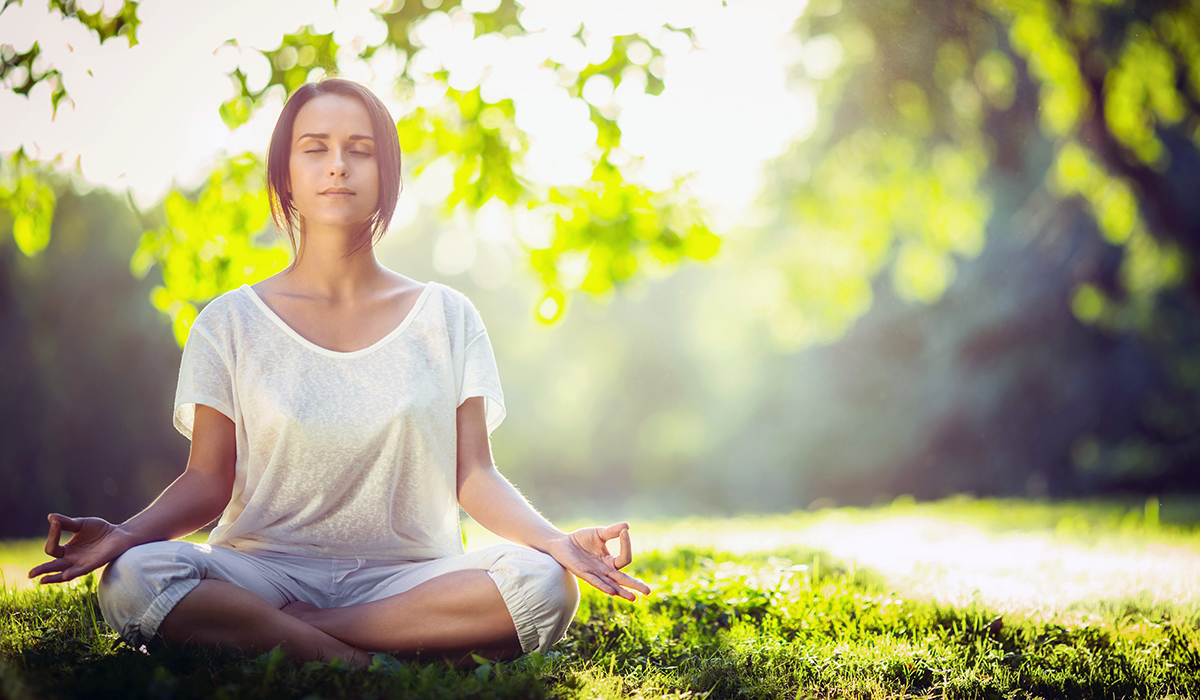
Providing a safe and supportive environment is fundamental when engaging in meditation for trauma recovery. While meditation can be a powerful tool for healing, it is essential to recognize boundaries and understand when professional support is necessary. Trauma-related experiences can sometimes surface intense emotions or memories that may overwhelm an individual’s capacity to process independently. Identifying signs that indicate the need for additional help ensures that recovery remains safe and effective.Trauma can manifest in various ways, and self-guided meditation practices, although beneficial, may not suffice in all circumstances.
Recognizing the limits of personal resilience and knowing when to seek professional intervention can prevent potential setbacks or emotional overload. This section discusses key indicators, safe transition practices, and how to effectively incorporate professional support alongside meditation.
Signs Indicating the Need for Professional Support
Understanding the early warning signs that suggest the need for external assistance is crucial for safety during trauma recovery. These indicators often involve emotional, physical, or behavioral responses that exceed the scope of self-help techniques.
Individuals experiencing persistent or worsening symptoms should consider consulting a mental health professional. These signs include:
- Intense flashbacks or intrusive memories that disrupt daily functioning
- Persistent feelings of helplessness, despair, or hopelessness
- Severe anxiety, panic attacks, or hyperarousal that do not diminish over time
- Difficulty managing emotional responses, such as anger or fear, leading to impulsive actions
- Physical symptoms like chronic pain, sleep disturbances, or gastrointestinal issues linked to trauma
- Engagement in self-destructive behaviors or substance misuse as coping mechanisms
- Thoughts of self-harm or suicidal ideation
Recognizing these signs early can facilitate timely intervention, preventing escalation and ensuring that recovery remains safe and controlled.
Transitioning Safely from Self-Guided Practices to Guided Therapy
Transitioning from independent meditation to professional guidance should be approached gradually and intentionally. This process ensures continuity of support while addressing any emotional or psychological challenges that arise during trauma recovery.
Begin by evaluating your comfort level with self-guided meditation. If certain practices trigger distress or emotional overwhelm, it is advisable to seek professional support. A therapist or trauma specialist can provide tailored approaches that complement meditation, such as trauma-focused cognitive-behavioral therapy (TF-CBT) or eye movement desensitization and reprocessing (EMDR).
When considering a shift, communicate openly with mental health professionals about your meditation experiences, challenges faced, and specific trauma themes. This honesty allows therapists to integrate mindfulness-based strategies into therapy sessions, fostering a collaborative approach.
It is also beneficial to combine professional guidance with ongoing self-practice, such as supervised meditation or mindfulness exercises, to build resilience gradually and safely.
Combining Meditation with Other Trauma Recovery Modalities
Integrating meditation with evidence-based trauma recovery methods can enhance healing outcomes. Combining approaches allows for a comprehensive treatment plan that addresses emotional, cognitive, and physical aspects of trauma.
Effective integration involves coordinated efforts between meditation practices and modalities such as:
| Modality | How It Complements Meditation |
|---|---|
| Trauma-Focused Cognitive Behavioral Therapy (TF-CBT) | Helps reframe negative thought patterns while meditation cultivates present-moment awareness and emotional regulation. |
| Eye Movement Desensitization and Reprocessing (EMDR) | Addresses traumatic memories through bilateral stimulation, while meditation enhances grounding and stabilization skills. |
| Somatic Experiencing | Focuses on bodily sensations to process trauma, complementing meditation’s emphasis on body awareness and relaxation. |
| Art and Expressive Therapies | Provides creative outlets for trauma expression, supported by meditation’s calming effects to reduce emotional reactivity. |
Integrating these approaches requires careful planning and often supervision by mental health professionals experienced in trauma recovery. Such collaboration ensures that practices are personalized, safe, and aligned with the individual’s recovery goals.
Final Summary
In conclusion, mastering how to meditate for trauma recovery provides a valuable pathway to healing, fostering self-awareness and emotional regulation. While the journey requires patience and mindful adjustments, the benefits of integrating meditation into trauma care are profound. Remember to seek professional support when needed and to approach each practice with kindness and awareness, ensuring a safe and empowering healing experience.