Embarking on the journey of how to meditate for visualization opens the door to unlocking your inner creativity and mental clarity. This practice not only fosters relaxation but also empowers you to harness the power of your imagination to achieve goals, reduce stress, and cultivate positive thinking. As you delve into visualization meditation, you discover effective techniques that can transform your mental landscape and bring your aspirations closer to reality.
Understanding how to meditate for visualization involves preparing the right environment, mastering step-by-step procedures, and employing various techniques to deepen your imagery. Through consistent practice, you’ll learn to overcome common obstacles such as wandering thoughts or emotional resistance, making this a valuable tool for personal growth and mindfulness. Incorporating these methods into your daily routine can lead to profound mental and emotional benefits.
Introduction to Meditation for Visualization
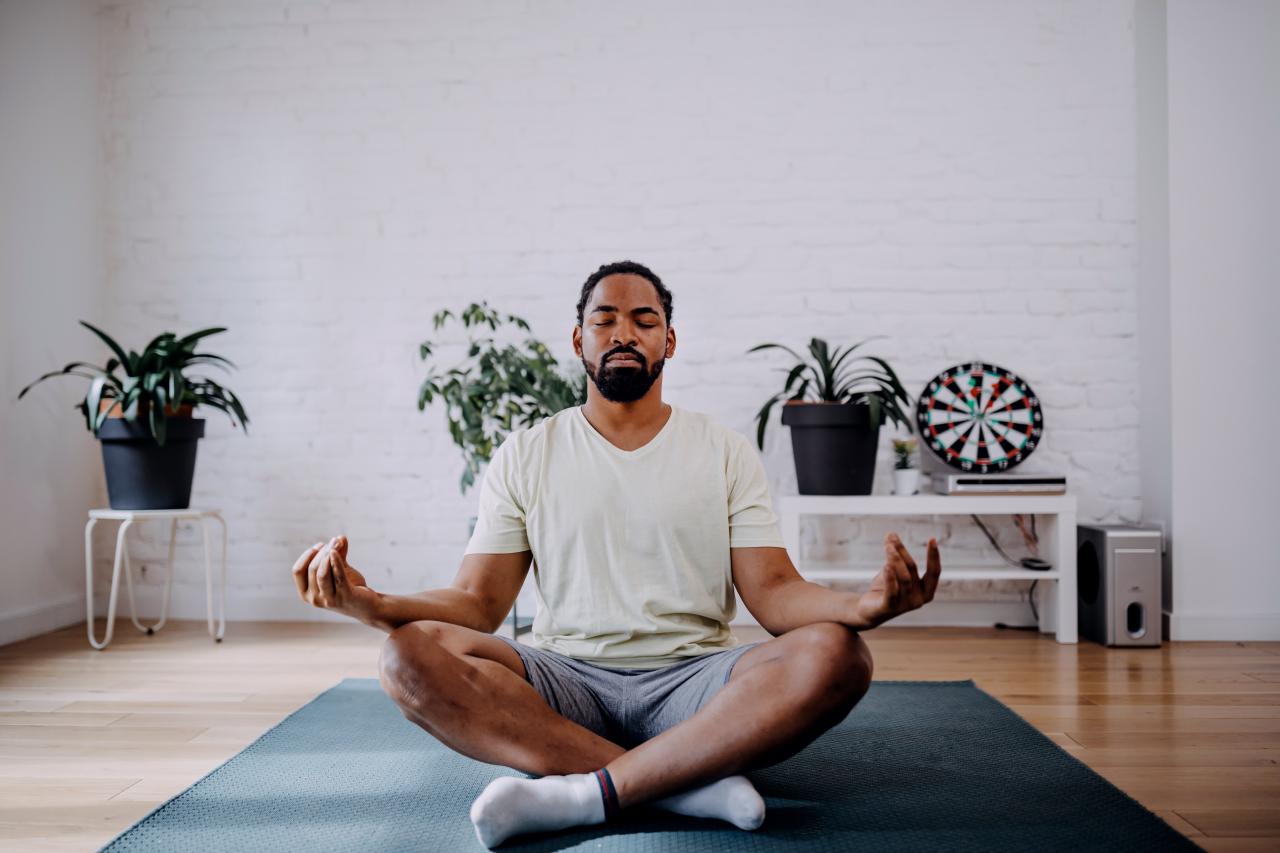
Meditation for visualization is a focused mental practice that harnesses the power of imagination to achieve clarity, motivation, and inner peace. Unlike traditional meditation, which often emphasizes breath awareness or mindfulness, visualization meditation directs mental energy towards creating vivid images or scenarios, helping individuals manifest goals or foster emotional well-being.
This technique involves consciously constructing detailed mental pictures, engaging the senses, and immersing oneself fully in the imagined scene. Practicing visualization meditation regularly can significantly enhance mental clarity, reduce stress, and bolster confidence by aligning the mind with positive intentions and desired outcomes.
Understanding Visualization Meditation
Visualization meditation is a deliberate process of forming mental images to influence the subconscious mind and physical responses. It serves as a bridge between thoughts and reality, enabling practitioners to set intentions, reinforce belief systems, and cultivate resilience. This method relies on the principle that the mind cannot differentiate strongly between vivid imagination and actual experience, thus making it a powerful tool for personal development.
Effective visualization involves more than just imagining static images; it includes sensory engagement, emotional involvement, and consistency. When approached correctly, it can accelerate achievement, facilitate healing, and promote overall mental health. However, misconceptions such as believing visualization alone guarantees success or that it requires no effort can hinder its benefits. To maximize its effectiveness, practitioners should approach visualization meditation with patience, clarity, and an open mind, integrating it into a regular mindfulness routine.
Preparing for Visualization Meditation
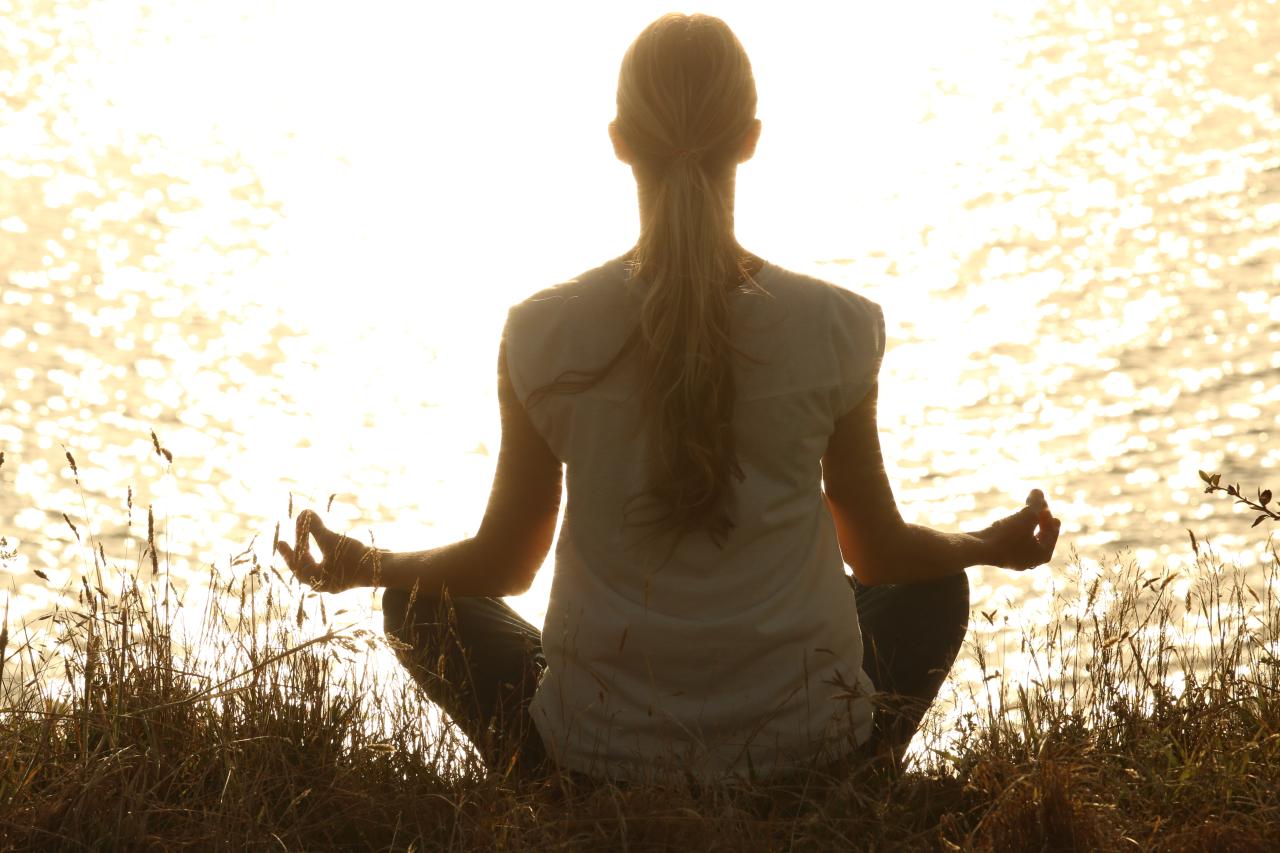
Effective visualization meditation begins with careful preparation to create an environment conducive to focus and relaxation. Establishing the right setting not only minimizes external disruptions but also helps in aligning your mental state, ensuring a more immersive and productive meditation session. Proper preparation involves selecting an appropriate space, adopting a comfortable posture, and utilizing tools that enhance your visualization experience.
This foundation allows your mind to transition smoothly into a state of calm and concentration, maximizing the benefits of your meditation practice.
Preparation is a vital step that influences the clarity and depth of your visualization. By thoughtfully arranging your environment and mindset beforehand, you pave the way for more vivid imagery, deeper relaxation, and greater mental clarity during your meditation. The following guidelines Artikel essential aspects of preparation to help you achieve a focused and tranquil state.
Ideal Environment Setup for Effective Meditation Sessions
The environment where you meditate significantly impacts your ability to relax and concentrate. A quiet, clutter-free space free from interruptions fosters a sense of safety and calm. Natural lighting or dim ambient light often enhances tranquility, while fresh air or good ventilation keeps you alert yet relaxed. Reducing noise levels, either through soundproofing, closing windows, or using calming background sounds, can help eliminate distractions and deepen your meditative state.
Choosing a Comfortable Position and Minimizing Distractions
Adopting a comfortable and sustainable posture is crucial for maintaining focus throughout the session. Whether sitting on a chair, cushion, or floor, ensure your spine is straight yet relaxed to facilitate proper breathing and alertness. Your choice of position should support comfort for the duration of your meditation, avoiding any strain or discomfort that could divert your attention. Additionally, turning off or silencing electronic devices and minimizing visual distractions in your environment allows you to focus solely on your visualization practice, fostering a more immersive experience.
Importance of Mental State and Clearing the Mind
Prior to beginning your visualization meditation, cultivating a calm and receptive mental state is essential. Engaging in brief calming exercises, such as deep breathing or gentle stretches, can help release tension and center your thoughts. It is equally important to clear your mind of cluttered or racing thoughts that may hinder visualization. Techniques like focused breathing or gentle acknowledgment of lingering thoughts, without attachment, assist in achieving mental clarity.
Starting your session with a few minutes of mindfulness or gratitude can further set a positive tone, making it easier to immerse yourself in vivid imagery.
Recommended Tools and Accessories
Enhancing your visualization experience can be achieved through various tools and accessories designed to foster focus and relaxation. Guided audio recordings or meditation apps provide structure and gentle prompts that help maintain your concentration and deepen your imagery. Ambient sounds, such as nature noises, white noise, or soft music, create a soothing background that masks external disturbances and supports mental calmness.
Additionally, using items like eye masks or calming scents, such as lavender essential oil, can heighten sensory engagement and promote a serene environment conducive to visualization meditation.
Step-by-Step Guide to Meditation for Visualization
Embarking on a visualization meditation session involves a series of deliberate steps designed to help you harness the power of your imagination and inner focus. This structured approach ensures that you create a conducive environment for relaxation, mental clarity, and vivid imagery, ultimately enhancing your mindfulness practice and emotional well-being.
Focusing on each phase of the process—from initial relaxation to the deepening of your visualization—helps cultivate a sustained state of mindfulness. Paying attention to your breathing, relaxing your body, and carefully constructing mental images are fundamental techniques that enable you to immerse yourself fully in your visualization. Incorporating sensory details and emotional engagement can further deepen your experience, making your visualization more vivid and impactful.
Initiating Your Visualization Meditation Session
Effective visualization begins with a clear and intentional setup. Choose a quiet, comfortable space where distractions are minimized. Sit or lie in a relaxed posture, ensuring your spine is straight to facilitate smooth breathing. Close your eyes gently and bring your attention inward, allowing yourself to transition from external stimuli to the internal landscape of your mind. Set a clear, positive intention for your session, such as visualizing a goal, fostering calmness, or exploring a specific scenario.
| Step | Description | Duration | Tips |
|---|---|---|---|
| Preparation and Centering | Find a comfortable seated or lying position, close your eyes, and take a few deep breaths to settle your mind and body. | 2-3 minutes | Use a quiet space, eliminate electronic distractions, and adopt a posture that feels naturally relaxed yet alert. |
| Deepening Relaxation | Progressively relax your muscles, starting from the toes and moving upward, paying attention to releasing tension. | 3-5 minutes | Guide yourself with gentle awareness; avoid forcing relaxation, allowing it to come naturally. |
| Focusing on Breath | Shift your attention solely to your breathing, observing each inhale and exhale without trying to control it. | 3-4 minutes | Use the breath as an anchor; imagine each inhale as bringing in calmness and each exhale releasing stress. |
| Creating Mental Imagery | Begin to visualize your chosen scene or object vividly, engaging all your senses to make the image as real as possible. | 5-10 minutes | Start with simple images, gradually adding details like colors, textures, sounds, and smells for richness. |
| Deepening Visualization | Enhance your imagery by incorporating emotional responses and sensory details, making the scene more immersive. | 5-10 minutes | Engage your feelings by imagining how the scene makes you feel; involve tactile sensations, ambient sounds, and fragrances for depth. |
| Consolidation and Closure | Gradually bring your focus back to your breath, then slowly reawaken your physical awareness and open your eyes. | 2-3 minutes | Take your time to reflect briefly on your experience, acknowledging any insights or feelings that arose. |
In visualization meditation, the key is to maintain a steady, relaxed breathing pattern, allow your body to fully relax, and immerse yourself in detailed mental imagery that engages all your senses. This multi-sensory approach helps deepen your experience and enhances the emotional and psychological benefits of your practice.
Techniques and Methods to Enhance Visualization
Enhancing visualization skills is vital for deepening the effectiveness of your meditation practice. Various techniques can help strengthen your mental imagery, making visualizations more vivid, detailed, and impactful. Employing diverse methods allows you to tailor your approach to your specific goals, whether it’s relaxation, goal achievement, or personal growth.
By exploring different visualization methods and integrating techniques such as focused concentration and affirmation practices, you can develop a more powerful and sustained mental imagery. Consistent practice and mastery of these techniques enable you to harness the full potential of visualization as a tool for transformation and well-being.
Common Visualization Techniques and Methods
Utilizing a range of visualization techniques can increase your mental clarity and engagement. Below are some of the most effective methods used in meditation for visualization:
- Guided Imagery: This involves listening to a recorded or live narration that describes detailed scenes or scenarios, guiding your mind to visualize specific images. For example, imagining yourself walking through a peaceful forest or standing on a mountaintop at sunrise.
- Mental Rehearsal: This technique is similar to visualization used by athletes and performers; it involves vividly imagining performing a task or achieving a goal, such as giving a successful presentation or mastering a skill.
- Creative Visualization: This method encourages you to use your imagination creatively to manifest desires, such as visualizing your ideal home, career, or relationships, often incorporating sensory details to make the images more compelling.
Examples of Visualization Scenarios
Different visualization scenarios serve various purposes, from relaxation to motivation. Here are some typical examples:
- Achieving Goals: Visualize yourself successfully completing a project, receiving an award, or reaching a fitness milestone. Focus on the details of the achievement and the feelings associated with success.
- Relaxing Scenes: Imagine yourself in a tranquil setting, like a beach, garden, or mountain retreat, experiencing the sights, sounds, and scents to induce calmness and stress relief.
- Positive Affirmations: Combine visualization with repeating affirmations, such as “I am confident,” “I am healthy,” or “I am deserving of happiness.” Visualize each affirmation as a vivid scene that reinforces your belief system.
Methods to Strengthen Mental Imagery
To make your visualizations more effective, it is essential to enhance the clarity and vividness of your mental imagery. The following methods can help strengthen your mental imagery capabilities:
- Visualization Exercises: Regularly practice focusing on creating detailed mental images. Start with simple scenes—such as a fruit or object—and progressively add layers of sensory details, including textures, colors, and sounds.
- Concentration Drills: Sharpen your focus through mindfulness exercises like breath awareness or body scans, which improve your ability to sustain attention during visualization practices.
- Progressive Detailing: When visualizing, deliberately increase the complexity and richness of your images over time. For instance, initially see a simple tree, then add leaves, branches, sounds of rustling, and fragrances of the forest.
- Use of Sensory Engagement: Incorporate multiple senses into your visualization. For example, imagine feeling the warmth of the sun, hearing the gentle waves, or smelling fresh pine in a forest scene.
Integrating Visualization with Affirmations and Mindfulness
Combining visualization techniques with affirmations and mindfulness practices can amplify their benefits. Here are some procedures to effectively integrate these methods:
- Concurrent Practice: While visualizing a scene, silently repeat positive affirmations related to your goal or emotion, reinforcing your mental image with affirming words.
- Sequential Practice: First, engage in mindfulness meditation to quiet the mind, then shift into visualization, gradually increasing the intensity and vividness of your images.
- Focused Attention: Use mindfulness to maintain present-moment awareness during visualization, preventing distractions and deepening your engagement with the imagery.
- Creating a Ritual: Develop a routine where you begin with mindfulness breathing, transition into visualization, and conclude by affirming your intentions, creating a structured and effective practice session.
Overcoming Challenges in Visualization Meditation
Meditation for visualization can be a deeply rewarding practice, yet it often presents obstacles that may hinder progress or diminish the experience. Understanding these common challenges and implementing practical strategies can enhance your ability to maintain focus, deepen mental clarity, and establish a consistent routine. Overcoming these hurdles is essential for cultivating a resilient meditation practice that yields lasting benefits for mental, emotional, and spiritual well-being.Visualization meditation requires active mental engagement and concentration, which can sometimes be disrupted by common issues such as wandering thoughts, impatience, or difficulty forming vivid images.
Recognizing these difficulties as natural parts of the learning process helps in developing patience and persistence. Employing specific techniques can assist in navigating these challenges effectively, making your meditation sessions more productive and enjoyable.
Common Obstacles in Visualization Meditation
Many practitioners encounter specific hurdles that can impede progress or cause frustration during visualization meditation. These include:
- Wandering thoughts: The mind tends to drift away from the visualization focus, leading to distraction and reduced effectiveness.
- Impatience: Expecting immediate clarity or vivid images can result in frustration when progress feels slow or images are elusive.
- Difficulty forming mental images: Some individuals find it challenging to create clear or detailed pictures in their mind’s eye, which can diminish engagement and results.
- Emotional resistance: Unresolved emotions or subconscious fears may surface during meditation, creating discomfort or resistance to visualization.
Strategies for Maintaining Focus and Enhancing Mental Clarity
Effective focus and mental clarity are vital for successful visualization meditation. The following strategies can support these goals:
Consistency in practice fosters familiarity and confidence, gradually strengthening your ability to concentrate. Establishing a regular meditation schedule, even for a few minutes daily, helps solidify your routine and reduces the likelihood of wandering thoughts.
Using anchoring techniques such as focusing on your breath, a specific sound, or a physical sensation can serve as a mental anchor to return to when distraction occurs. In addition, visualizing a calming scene or object before starting can set a clear intention and create a mental framework that supports sustained focus.
“Gentle persistence and patience are essential—accept every distraction as an opportunity to gently return your attention to your visualization.”
Tips for Consistency and Integration into Daily Routine
Building a sustainable visualization meditation practice involves integrating it seamlessly into daily life. Consider these approaches:
- Set a specific time each day for meditation, such as morning upon waking or evening before sleep, to establish a routine.
- Create a dedicated, comfortable meditation space that minimizes distractions and promotes relaxation.
- Start with short sessions, around 5-10 minutes, gradually increasing duration as confidence and focus improve.
- Utilize reminders or alarms to prompt meditation sessions until it becomes a habitual part of your day.
- Combine visualization meditation with other daily activities, such as during a break or while commuting (if seated and safe), to reinforce consistency.
Troubleshooting Common Visualization Issues
Encountering specific difficulties during visualization meditation requires practical troubleshooting steps:
- Fading images or lack of vividness: This can be addressed by gradually enhancing sensory details, such as adding sounds, textures, or smells to the visualization. Repeating the visualization regularly also strengthens mental imagery over time.
- Emotional resistance or discomfort: Acknowledge and observe these emotions without judgment. Incorporate grounding techniques, such as deep breathing or gentle body scans, to create a sense of safety and openness.
- Difficulty maintaining focus: Use shorter sessions or incorporate mindfulness of breath between visualization phases. Employing guided visualizations or audio recordings can also help keep the mind engaged.
- Persistent distraction or wandering thoughts: Develop the habit of gently acknowledging distractions without judgment and bring your attention back to your visualization. Practicing mindfulness meditation alongside can support this skill.
By addressing these obstacles with patience and deliberate practice, individuals can progressively improve their visualization skills, deepen their meditation experience, and enjoy the full benefits of this profound mental exercise.
Incorporating Visualization Meditation into Daily Practice
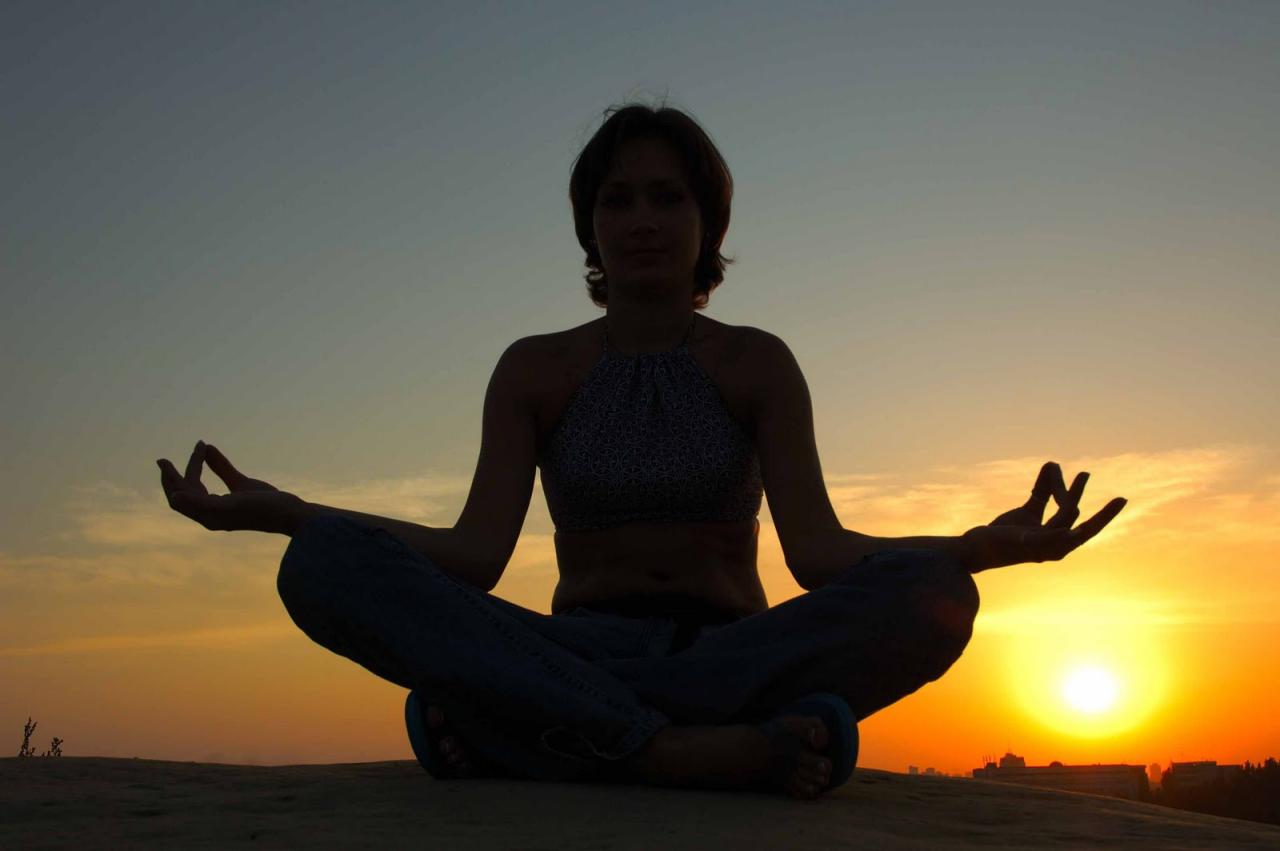
Integrating visualization meditation into daily routines can significantly enhance mental clarity, focus, and emotional balance. Establishing a consistent practice ensures that the benefits of visualization become a natural part of your everyday life, fostering greater mindfulness and personal growth. Whether incorporated into morning routines to set a positive tone for the day or evening routines to promote relaxation and reflection, visualization meditation can be adapted to fit personal schedules seamlessly.Consistency and intentional scheduling are key to making visualization meditation a sustainable habit.
Developing a structured approach helps reinforce your commitment and progress, allowing you to experience cumulative benefits over time. With deliberate planning and mindful goal setting, visualization meditation can become a rewarding and integral aspect of your daily life.
Embedding Visualization Meditation into Morning or Evening Routines
Effective integration of visualization meditation involves selecting specific times during the day that align with your natural energy patterns and lifestyle. Morning sessions can serve as a powerful way to set intentions, cultivate motivation, and foster a positive outlook for the day ahead. Evening sessions, on the other hand, provide an opportunity to unwind, process daily experiences, and cultivate gratitude or peaceful imagery before sleep.To embed visualization into your routine:
- Designate a quiet, comfortable space free from distractions where you can sit or lie down.
- Set a specific duration, starting with 5-10 minutes, gradually increasing as comfort and familiarity grow.
- Create a consistent cue or trigger, such as a specific time, an alarm, or a preceding activity like brushing your teeth or making tea, to signal the start of your session.
- Combine visualization with other calming practices like deep breathing or gentle stretching to enhance focus and relaxation.
Regular practice at the same time each day reinforces habit formation and helps the mind associate that moment with calm and focus, encouraging sustainability.
Scheduling Tips and Habit Formation Techniques
Structuring your schedule to support consistent visualization meditation involves strategic planning and awareness of your daily rhythms. Building habits gradually reduces resistance and increases the likelihood of long-term adherence.Key strategies include:
- Start small, aiming for just a few minutes daily, and progressively extend the duration as your habit solidifies.
- Use visual or physical reminders, such as placing sticky notes in visible locations or setting calendar alerts.
- Pair visualization with existing routines, like morning coffee or evening wind-down, to leverage habitual cues.
- Track your practice with a dedicated journal or digital app, acknowledging your consistency to reinforce motivation.
Consistency is reinforced through positive reinforcement, such as acknowledging progress or rewarding milestones, which helps embed visualization meditation into your daily rhythm.
Setting Achievable Goals for Progress in Visualization Skills
Establishing realistic and measurable goals fosters motivation and provides clarity for your meditation journey. Goals should be tailored to your current experience and gradually expanded to include more complex visualization techniques.Effective goal-setting involves:
Setting SMART goals—Specific, Measurable, Achievable, Relevant, and Time-bound—ensures clarity and focus.
For example:
- Beginning with daily 5-minute sessions focusing on simple objects or scenes.
- Progressing to more detailed visualizations, such as imagining entire scenarios or future achievements over a month.
- Setting milestone goals, such as maintaining a streak of 30 consecutive days or improving vividness and clarity of images.
Regularly reviewing and adjusting these goals ensures continued growth and prevents stagnation, making the practice both challenging and achievable.
Journal Explaining and Tracking Methods for Growth
Maintaining a journal enhances self-awareness and provides tangible evidence of progress. Recording insights, experiences, and challenges can deepen your understanding of how visualization affects your mindset and emotional state.Effective tracking methods include:
- Daily logs noting the duration of each session, the imagery visualized, and any subjective feelings or insights gained.
- Using prompts such as “Today I visualized…” or “Noticed that my images are clearer when…” to foster detailed reflection.
- Tracking progress with visual charts or graphs that illustrate streaks, increased vividness, or goal achievement milestones.
- Incorporating periodic reviews, such as weekly or monthly summaries, to identify patterns, areas for improvement, and breakthroughs.
By regularly documenting your journey, you cultivate a deeper connection to your practice, recognize growth, and maintain motivation over the long term.
Ending Remarks

In conclusion, learning how to meditate for visualization is a powerful way to enhance your mental resilience and creativity. By following structured techniques, maintaining consistency, and embracing your imagination, you can unlock new levels of self-awareness and goal achievement. Remember, the journey toward mastery is gradual, but with patience and dedication, the benefits will unfold in many areas of your life, enriching your overall well-being.